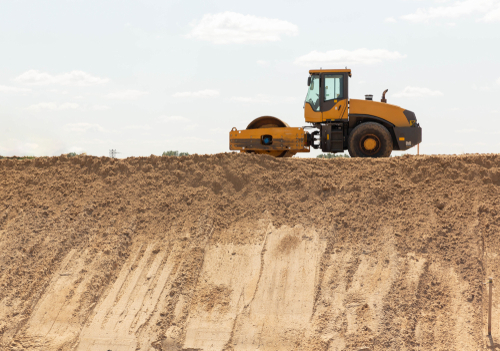
 Embankments have been constructed for more than 3,000 years, dating all the way back to ancient Egypt. This is because they are relatively easy to construct and often serve an essential purpose. In addition, many ancient civilizations built their society near a river, so the need to control flooding was essential.
An embankment is either a man-made or naturally-formed wall on the side of a river that prevents water from carrying over during a flood. They often serve an important role in ensuring flooding does not occur to either side of the river, which can cause issues with the land being used for a range of purposes.
Before making an embankment, it is also essential to have a clear understanding of what the process involves. There are different material options for embankments, including soil, concrete, rocks and more. The type of material and the amount of material needed is dependent on the purpose and importance of the embankment.
The following is a complete overview of what an embankment is, including how they naturally form, when they are naturally made, the range of potential purposes and what the most commonly used materials are. Of course, this is a broad overview and each embankment is unique. Due to this, it is important to contact a professional to learn more about the specific requirements for any embankments you plan to construct.
How Embankments are Naturally Formed
An embankment, or a levee, can either be man-made or naturally formed. They often serve an important purpose in preventing flooding of land. In simplest terms, a naturally-formed embankment is the result of water that overflows in a river, leading to a flow of sediment onto the river bank. Over time, the sediment becomes a part of the bank, and the increased material leads to a raised elevation surrounding the river.
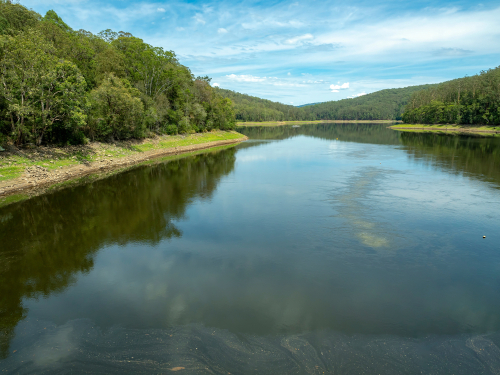 Naturally-formed embankments rarely, if ever, cause a concern. In fact, they can be very beneficial by preventing flooding. If flooding does occur again, then the embankment is likely to grow even higher over time due to more sediment carrying over from the river to the river bank. As the embankment continues to grow taller, flooding becomes less and less likely.
The benefits of a naturally-formed embankment include keeping land from flooding next to a river. This is particularly useful if there are homes in the area or land that is used for a commercial or industrial purpose.
Man-Made Embankments
A man-made flood control structure is designed to serve a specific purpose, most often to reduce the risk of flooding. In areas where there is little elevation difference between the surrounding land and a river or waterway, additional protection may be needed to prevent water from spilling over during heavy rainfall or high-water events.
These structures are created by building up material along the edges of a river or low-lying area to help contain and redirect water. A variety of materials can be used, and the choice depends on factors such as flood severity, soil conditions, and the overall level of risk.
In many areas, permits or approvals may be required before constructing any flood control feature. Always check local building codes, environmental regulations, and permitting requirements before starting work on your property.
Uses of Embankments
The main purpose of an embankment is to prevent flooding into the land on each side of the river. This is why embankments can be traced back as far as 3,000 years. However, embankments are still just as important today as they were thousands of years ago. In fact, they are used for more purposes now than ever before. The primary uses include but are not limited to the following:
- Dikes and flood control
- Road embankment
- Railway embankments
- Airport runway embankments
Of course, these are all larger types of embankments with big purposes. An embankment does not have to meet a large need to be created, however. A smaller embankment may also be a good idea for preventing water from running over a small creek or river and onto private land at one’s home or commercial property. Every embankment is unique, and each man-made embankment has a unique reason for being created and is tailored to address a specific purpose.
What Materials are Used to Make Embankments
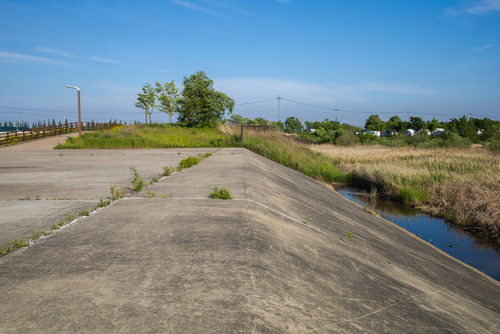 There is a range of different types of materials that work well for embankments. As mentioned, the type of material that is most appropriate depends on how big the need is for the embankment. Several of the more commonly utilized types of material used when constructing an embankment include:
- Soil
- Concrete
- Aggregate
- Rock
For small- to moderately sized projects, soil is often the most practical material choice. It works well for managing minor drainage or grading needs and is typically the most cost-effective option for tighter budgets. For larger or more demanding applications, concrete is often used due to its strength and durability. Aggregate or rock can also be appropriate in certain situations, depending on site conditions and performance requirements. The best way to determine the right material for your project is to consult with a professional who can evaluate your specific needs.
Reach Out to Dirt Connections
If you feel that having a swimming pool is no longer worth the expense and ongoing maintenance, you may decide to move forward with pool removal. Once the pool is removed, you can focus on repurposing your yard and making better use of the available space.
Summary

Dirt Connections was started with one goal in mind: providing quality residential and commercial construction services to clients on time and on budget. Reach out for more information on how we can support your next project.
For your convenience our estimates are free and by appointment. Call 703-940-9949 for a free estimate today!