Spring Yard Leveling 101: Fix Low Spots with Fill Dirt for a Perfect Lawn
 As spring breathes life back into your yard, it’s the perfect time to deal with those uneven, soggy low spots. A bumpy lawn doesn’t just look bad—it can cause water pooling, patchy grass, and safety hazards. Fortunately, Spring Yard Leveling: Fix Low Spots with Fill Dirt is a simple solution that restores beauty and function. With the right approach, you can create a smooth surface that supports healthy grass and enhances your home’s curb appeal. This guide walks you through the essentials—from spotting the problem areas to applying fill dirt correctly—so you can enjoy a flawless lawn all season long.
Why Yard Leveling Matters
A level lawn does more than improve appearances. It prevents water pooling, reduces erosion, and keeps grass healthier. Low spots trap moisture, creating muddy patches and breeding grounds for disease. Uneven areas also make mowing difficult and can even damage your equipment. By addressing these issues in spring, you set your yard up for success before the growing season kicks in.
Signs Your Lawn Needs Leveling
- Water pooling in dips after rain
- Uneven mowing, with scalped or patchy spots
- Tripping hazards when walking across the yard
- Persistent bare or muddy areas
If you notice any of these, it’s time to bring in fill dirt and even things out.
Why Fill Dirt Works Best
 Fill dirt is made of subsoil, free of organic matter, making it stable and long-lasting. Unlike topsoil, it doesn’t break down or shift. That stability is exactly what’s needed to fill depressions and build a strong foundation. By correcting drainage issues with fill dirt, you give grass the chance to thrive once you add a thin layer of topsoil or seed on top.
Choosing the Right Fill Dirt
Not all dirt is created equal. For yard leveling, select screened fill dirt free from rocks, debris, or heavy clay. Sandy loam fill dirt is a great choice because it drains well but still compacts firmly. Always work with a reputable supplier who guarantees clean, quality material—you don’t want contaminants or poor-quality soil creating problems later.
Preparing Your Lawn for Leveling
- Mow the grass short so low spots are easy to spot.
- Remove debris, sticks, and rocks for a clean work surface.
- Mark problem areas with spray paint or stakes.
- Consider aerating compacted areas to improve soil health.
Proper prep makes spreading and compacting fill dirt more effective.
Step-by-Step Guide: How to Fix Low Spots with Fill Dirt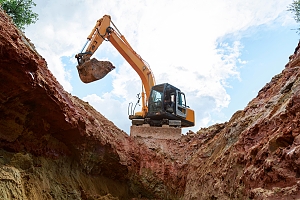
- Assess and Mark – Identify low areas and outline them clearly.
- Add Fill Dirt – Spread 1–2 inches of fill dirt into the low spot.
- Level and Tamp – Use a rake to spread evenly, then gently compact with a tamper or roller.
- Water Lightly – Helps dirt settle and eliminates air pockets.
- Repeat as Needed – Add layers gradually until the spot is level.
- Finish with Topsoil – Apply a thin layer of nutrient-rich topsoil, then seed or sod for a lush finish.
This layered approach prevents suffocating your existing grass and ensures long-term stability.
Maintaining Your Lawn After Leveling
- Water deeply but not too often to encourage strong root growth.
- Overseed bare areas and fertilize to support new grass.
- Inspect for settling and add more fill dirt as needed.
- Aerate yearly to reduce compaction and keep the soil healthy.
With a little care, your lawn will stay level and vibrant through the seasons.
Common Mistakes to Avoid

- Dumping too much fill dirt at once (smothers grass).
- Using clay-heavy dirt that blocks drainage.
- Skipping compaction, which causes future settling.
- Forgetting to top off with topsoil for plant health.
Avoiding these pitfalls ensures your hard work pays off.
Tools You’ll Need
- Lawn mower (to prep)
- Wheelbarrow and shovel (for moving dirt)
- Garden rake (to spread evenly)
- Tamper or roller (to compact)
- Sprinkler or hose (to settle soil and seed)
Simple tools, big results.
How Weather Affects Yard Leveling in Spring
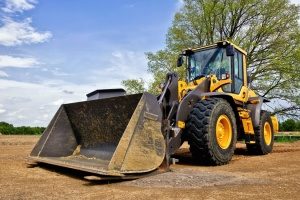
Spring weather is ideal for yard leveling because the soil is softer from winter moisture yet not overly saturated. This balance makes fill dirt easier to spread and compact. If you wait until summer, dry soil can be harder to work with, while too much rain in early spring may create muddy conditions. Aim for a stretch of mild, dry days to get the best results.
Fill Dirt vs. Topsoil: Which Should You Use for Low Spots?
When fixing low spots, start with fill dirt for strength and stability, then finish with a thin layer of topsoil for plant growth. Fill dirt compacts well, preventing future dips, while topsoil provides nutrients for grass and gardens. Using both gives you the long-term stability of fill dirt with the fertility of topsoil, ensuring your lawn looks great and stays healthy.
Best Time of Day to Level Your Yard

The best time to spread and compact fill dirt is in the morning or late afternoon. Cooler temperatures prevent soil from drying too fast and make the work easier on you, too. Midday heat can cause soil to lose moisture quickly, which makes compaction uneven. Working in the cooler parts of the day ensures your fill dirt settles properly.
DIY Yard Leveling vs. Hiring a Pro
DIY yard leveling can save money, especially for smaller yards or light touch-ups. However, large areas or severe low spots may require professional help and equipment to ensure the job is done right. Pros bring expertise, grading tools, and compaction equipment that deliver lasting results. For many homeowners, a blend of DIY for small spots and professional help for big projects works best.
How Much Fill Dirt Do You Really Need?
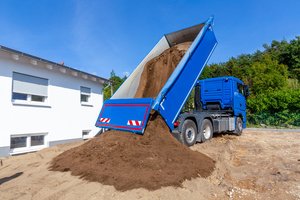
Knowing how much fill dirt to order prevents costly mistakes. Measure the length, width, and depth of your low spots, then calculate the cubic yards needed. Ordering a little extra is smart—better to have more on hand than come up short. Many suppliers offer calculators online, or you can call and provide your measurements for a quick estimate.
Cost of Yard Leveling with Fill Dirt
Costs vary depending on the size of your yard and the type of fill dirt you choose. On average, fill dirt runs between $10–$20 per cubic yard, plus delivery fees. Small DIY projects may only cost a few hundred dollars, while larger jobs can run into the thousands if equipment or professional help is needed. Planning ahead helps you stay within budget.
Safety Tips When Working with Heavy Dirt Loads
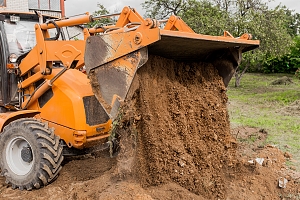
Fill dirt is heavy, and moving it requires care. Use proper lifting techniques, wear gloves, and take frequent breaks to avoid strain. If using wheelbarrows or shovels, work in smaller loads rather than overfilling. For larger projects, consider renting equipment to avoid injury. Safety first ensures your yard project is completed without unnecessary setbacks.
How Long Does Yard Leveling Take to Settle?
After leveling with fill dirt, expect the soil to settle over several weeks. Light watering helps the dirt compact naturally, while walking or rolling over the area speeds up the process. For lawns, allow the fill dirt to settle before laying sod or planting seed to avoid uneven growth. Patience ensures a smoother, longer-lasting result.
How Yard Leveling Improves Property Value

A level, healthy yard not only looks better but also adds curb appeal and boosts property value. Homebuyers are drawn to outdoor spaces that are functional, safe, and low-maintenance. By fixing low spots and improving drainage, you reduce future repair costs and create a landscape that stands out. Yard leveling is a smart investment with returns beyond just appearance.
Conclusion: A Perfect Lawn Starts with Leveling
Spring yard leveling: how to fix low spots with fill dirt is one of the easiest ways to transform your lawn. By filling depressions, correcting drainage, and finishing with topsoil and seed, you’ll create a safe, healthy, and beautiful yard. Start this spring, avoid the common mistakes, and maintain your lawn with regular care—you’ll enjoy a lush, even surface all season long.
Summary

Dirt Connections was started with one goal in mind: providing quality residential and commercial construction services to clients on time and on budget. Reach out for more information on how we can support your next project.
For your convenience our estimates are free and by appointment. Call 703-940-9949 for a free estimate today!