How Poor Drainage Ruins Yards, Driveways, and Retaining Walls

Poor drainage does not stay a surface problem. It starts with water movement. However, it ends with structural damage that is often the result of poor drainage damage. In Northern Virginia, Maryland, and DC, heavy rain exposes weak drainage fast. If water does not exit your property correctly, it will attack soil, pavement, and walls. This guide explains how drainage failure destroys structures, not just landscaping.
Water Always Wins: The Real Problem
Water follows the path of least resistance. When your property lacks proper drainage design, water settles into soil and builds pressure. That pressure creates hydrostatic force against foundations and retaining walls. Over time, force becomes movement. Movement becomes cracking, shifting, and collapse. Homeowners searching for drainage repair services in Northern Virginia often discover the issue existed for years before visible damage appeared. In many cases, poor drainage damage is only discovered after foundation cracks and wall leaning become evident.
How Drainage Failure Destroys Yards
First, water saturation weakens soil structure. Healthy soil contains air pockets. However, saturated soil collapses under weight. As soil collapses, lawns sink and form depressions. Grass roots lose oxygen and begin to rot. Next, erosion strips topsoil away. Heavy rain creates runoff channels. These channels grow deeper each season. Eventually, your yard becomes uneven and unstable. At that point, regrading and structural fill dirt installation become necessary. Poor drainage damage is also responsible for persistent soil erosion and lawn depressions.
Driveway Damage Starts Below the Surface

Most driveway failures begin underneath the pavement. When drainage fails, water seeps below concrete or asphalt. The compacted base softens. Once the base weakens, vehicles apply pressure. Cracks appear first. Then sections sink. Finally, potholes form. In colder months, trapped water freezes and expands. This freeze-thaw cycle accelerates damage. Homeowners needing driveway drainage correction in Maryland often replace pavement before fixing drainage. However, without solving water flow, new pavement will fail again.
Retaining Wall Failure Is a Pressure Problem
Retaining walls do not fail randomly. They fail because of trapped water. When drainage behind a wall is inadequate, water builds pressure. This hydrostatic pressure pushes forward with tremendous force. Walls begin to lean. Cracks form along joints. Eventually, full structural blowout can occur. In many retaining wall repair projects in Northern Virginia, lack of proper backfill and drainage pipe caused the failure. Retaining walls require gravel backfill, drainage pipe, and proper grading above the wall. Without these systems, collapse becomes likely. Similarly, poor drainage damage frequently leads to leaning walls and collapsed structures.
Soil Movement Creates Chain Reactions
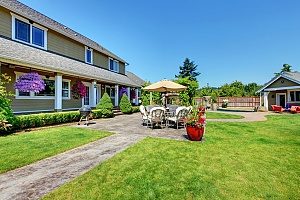
Poor drainage weakens soil cohesion. Once soil shifts, structures above it follow. Driveways sink. Walkways tilt. Patios separate from foundations. In addition, soil displacement can expose footings. Exposed footings increase structural vulnerability. Homeowners often focus on cosmetic fixes. However, soil stabilization and drainage correction protect long-term integrity.
The Hidden Cost of Ignoring Drainage
Drainage damage compounds over time. Small yard depressions turn into major regrading projects. Minor driveway cracks turn into full replacements. Slight retaining wall lean becomes structural failure. Repair costs often exceed preventive grading and drainage installation by several times. If you need structural fill dirt delivery and professional grading in Northern Virginia, early correction reduces future expense. To summarize, poor drainage damage is much more expensive to fix after it has caused structural problems.
Structural Solutions That Work
Correcting drainage requires structure, not patchwork. First, verify proper slope away from foundations. Maintain steady decline for water flow. Second, install French drains in pressure zones. French drains relieve hydrostatic buildup. Third, extend downspouts away from structures. Fourth, compact structural fill dirt in layers during regrading projects. For complex problems, licensed grading contractors in Northern Virginia and Maryland provide drainage correction and soil stabilization services.
Why Small Drainage Problems Turn Into Structural Failures
Small drainage problems rarely stay small. First, water begins to pool in low areas. Then, that water seeps into soil and weakens the ground beneath structures. As soil softens, driveways crack and retaining walls shift. Over time, hydrostatic pressure builds against foundations and wall systems. This pressure forces movement and creates structural damage. Many homeowners in Northern Virginia ignore early warning signs like minor pooling or small cracks. However, early drainage correction services cost far less than structural repair. If you address poor drainage damage quickly, you protect your yard and prevent long-term structural failure.
How Water Undermines Soil Stability Over Time
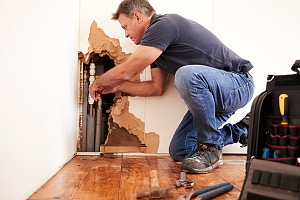
Water changes soil strength when it remains trapped. Healthy soil contains air space that supports load-bearing surfaces. However, saturated soil collapses under weight. As vehicles drive over weakened areas, pavement begins to sink. In addition, saturated soil reduces shear strength behind retaining walls. This condition increases the risk of wall movement and failure. Homeowners searching for yard drainage solutions in Maryland often discover soil instability caused the problem. Proper grading, structural fill dirt installation, and compaction restore stability. Therefore, controlling water flow protects both landscaping and structural systems.
The Cost Difference Between Drainage Repair and Structural Replacement
Drainage repair costs far less than structural replacement. For example, installing French drains or correcting slope may cost a fraction of rebuilding a retaining wall. In contrast, replacing a failed driveway or collapsed wall requires demolition, material removal, and reconstruction. Those repairs often multiply original costs. Many drainage correction projects in Northern Virginia prevent major reconstruction expenses. When homeowners invest in proper grading and fill dirt delivery early, they avoid larger structural bills later. Preventive drainage planning protects property value and reduces long-term financial risk.
______________________________________________________________________________________________________________________________________
When to Bring in a Professional

Call a professional if:
- Retaining walls lean or crack
- Driveways sink repeatedly
- Water pools near foundations
- Erosion worsens each season
Licensed construction professionals understand drainage flow patterns and soil behavior.
Addressing drainage early protects your yard, driveway, retaining walls, and structural systems.
Key Takeaway
Poor drainage ruins yards, driveways, and retaining walls by weakening soil and increasing hydrostatic pressure. Damage starts below the surface and grows over time. Proper grading, structural fill dirt installation, and engineered drainage systems prevent costly structural failure. If you need drainage correction, fill dirt delivery, or professional grading services in Northern Virginia, Maryland, or DC, contact Dirt Connections today. Protect your property before water causes permanent damage.
Summary

Dirt Connections was started with one goal in mind: providing quality residential and commercial construction services to clients on time and on budget. Reach out for more information on how we can support your next project.
For your convenience our estimates are free and by appointment. Call 703-940-9949 for a free estimate today!