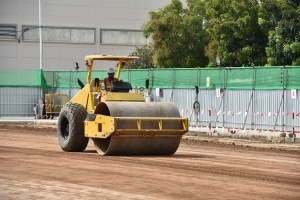
 Soil compaction is one of the most important factors affecting the long-term performance of construction projects. Whether building a home, roadway, parking lot, retaining wall, commercial building, or data center, the condition of the soil beneath the structure directly influences its stability, drainage, and durability.
Although soil compaction is often discussed in agriculture, it plays an equally important role in construction. Proper compaction helps create a stable foundation capable of supporting heavy loads, while poor compaction can contribute to settlement, cracking, drainage problems, and expensive repairs.
Understanding what soil compaction is, why it matters, and how contractors manage it helps property owners, developers, engineers, and construction professionals make better decisions before construction begins.
Quick Summary
Soil compaction is the process of increasing the density of soil by reducing the air spaces between soil particles.
Proper soil compaction helps:
- Improve load-bearing capacity
- Reduce future settlement
- Increase soil stability
- Improve foundation performance
- Reduce erosion
- Support roads, buildings, and retaining walls
- Meet engineering requirements
Without proper compaction, even well-designed construction projects can experience long-term structural problems.
What Is Soil Compaction?
Soil compaction occurs when soil particles are pressed closer together, reducing the amount of air trapped within the soil. In construction, this process is usually intentional. Contractors use specialized equipment to compact soil so it can safely support structures and resist movement over time.
The amount of compaction required depends on several factors, including:
- Soil type
- Moisture content
- Project specifications
- Engineering requirements
- Intended use of the property
Properly compacted soil creates a stronger, more predictable foundation for future construction.
Understanding the Basics
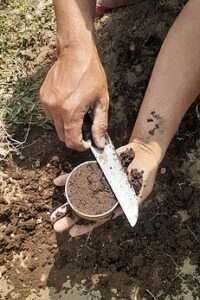
Not all soils respond the same way to compaction. Granular materials such as sand and gravel generally compact more easily because their larger particles naturally settle into a dense arrangement. Clay soils behave differently. They require careful moisture control because excessive water or extremely dry conditions can reduce compaction efficiency.
Silt often presents additional challenges because its behavior changes significantly as moisture conditions change. Understanding these differences helps contractors choose the proper equipment and compaction methods for each project.
Why Soil Compaction Matters
Every structure transfers weight into the ground. If the supporting soil cannot safely carry that load, the ground may settle unevenly. Over time, this movement can damage foundations, sidewalks, driveways, retaining walls, utilities, and paved surfaces.
Proper soil compaction helps reduce these risks by creating uniform support beneath the structure. Instead of allowing the ground to settle naturally over many years, contractors compact the soil during construction to achieve the density required by the project engineer.
Common Causes of Soil Compaction
Some soil compaction occurs naturally over time. However, construction activities frequently accelerate the process.
Common causes include:
- Heavy construction equipment
- Dump truck traffic
- Excavation activities
- Repeated loading over the same area
- Improper fill placement
- Excessive moisture
- Natural soil settlement
Although some compaction is necessary during construction, uncontrolled compaction in undesired areas can reduce drainage and create challenges for future landscaping.
Signs of Compacted Soil
Recognizing compacted soil early can help prevent larger problems later.
Common signs include:
- Standing water after rainfall
- Poor drainage
- Uneven settlement
- Surface cracking
- Difficulty digging
- Weak vegetation
- Poor root development
- Hard soil surfaces
On construction projects, engineers often use field testing rather than visual inspection alone to verify proper compaction.
Equipment Used for Soil Compaction
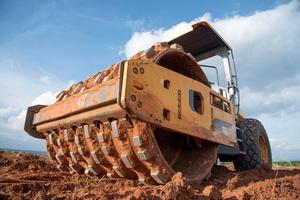
Contractors use different equipment depending on the soil conditions and project requirements.
Common equipment includes:
- Vibratory rollers
- Smooth drum rollers
- Sheepsfoot rollers
- Pneumatic tire rollers
- Plate compactors
- Jumping jack rammers
- Hand tampers
Selecting the proper equipment helps achieve consistent density while minimizing unnecessary work.
Real-World Contractor Observation
One of the biggest misconceptions is believing all compaction is harmful. In reality, construction projects depend on proper soil compaction. The goal is not simply to compact the soil—it is to compact the right material, at the proper moisture content, using the correct equipment, and according to engineering specifications. When performed correctly, soil compaction creates the stable foundation necessary for long-lasting construction projects.
Effects of Poor Soil Compaction
When soil is not compacted correctly, the consequences may not appear immediately. However, as structures begin transferring weight into the ground, underlying problems often become more noticeable.
Poor soil compaction can contribute to:
- Foundation settlement
- Cracked concrete slabs
- Uneven sidewalks and driveways
- Pavement failures
- Retaining wall movement
- Utility line damage
- Drainage problems
- Increased maintenance costs
Proper compaction during construction is far less expensive than repairing these issues after the project is complete.
Methods for Preventing Soil Compaction Problems
Successful projects begin with proper planning.
Contractors use several methods to achieve consistent results, including:
- Selecting suitable fill material
- Controlling moisture content
- Placing material in compacted lifts
- Using the proper compaction equipment
- Following engineering specifications
- Performing field density testing when required
These practices help create a stable foundation capable of supporting the intended structure for many years.
How Contractors Verify Proper Compaction
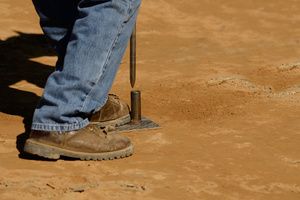
Visual appearance alone cannot determine whether soil has been compacted correctly.
Many commercial, municipal, and government projects require testing throughout construction.
Common verification methods include:
- Nuclear density testing
- Sand cone testing
- Moisture content testing
- Proctor compaction testing
- Geotechnical inspections
These tests help verify that the required level of compaction has been achieved before construction continues.
Common Mistakes to Avoid
Even experienced contractors understand that several common mistakes can reduce the effectiveness of soil compaction.
Compacting Soil That Is Too Wet
Excess moisture prevents soil particles from locking together properly and often reduces the final density.
Compacting Soil That Is Too Dry
Dry material may also fail to compact efficiently because the particles cannot move into a dense configuration.
Using the Wrong Equipment
Different soil types require different compaction methods. Choosing the wrong roller or compactor can reduce productivity and produce inconsistent results.
Placing Material Too Thick
Compaction equipment can only affect a limited depth during each pass. Excessively thick lifts often leave loose material beneath the surface.
Contractor Tip
Proper soil compaction is not about making the ground as hard as possible. Instead, the objective is to achieve the density specified by the project engineer while maintaining proper moisture conditions and using the appropriate construction methods. Experienced contractors understand that quality compaction begins long before the first roller reaches the job site.
Frequently Asked Questions

What is soil compaction?
Soil compaction is the process of increasing soil density by reducing the air spaces between soil particles. In construction, contractors intentionally compact soil to improve stability, increase load-bearing capacity, and reduce future settlement.
Why is soil compaction important?
Proper soil compaction helps create stable foundations, reduces settlement, improves drainage, supports heavy loads, and extends the life of roads, buildings, retaining walls, and other structures.
Does every construction project require soil compaction?
Most construction projects involving foundations, fill material, roadways, parking lots, or retaining walls require some level of soil compaction. The specific requirements depend on the project specifications and engineering recommendations.
How is soil compaction tested?
Engineers and testing laboratories commonly verify compaction using field density testing, moisture testing, Proctor testing, and other geotechnical methods depending on the project requirements.
Can soil be over-compacted?
Yes. In some situations, excessive compaction can reduce drainage, limit root growth, or affect future landscaping. Contractors compact soil according to engineering specifications rather than simply applying the maximum amount of pressure.
Final Thoughts
Soil compaction is one of the most important steps in preparing a successful construction site. Although it often goes unnoticed after a project is complete, properly compacted soil provides the stable foundation needed to support buildings, roads, parking lots, retaining walls, and other infrastructure for decades.
Understanding the causes, effects, and proper methods of soil compaction helps homeowners, contractors, developers, engineers, and construction professionals make informed decisions before construction begins. Ultimately, investing in proper site preparation helps reduce risk, improve long-term performance, and protect the value of the completed project.
Dirt Connections Match (DCN)
Successful construction projects rely on experienced contractors, dependable suppliers, qualified truckers, and strong industry relationships. Additionally, Dirt Connections Match (DCN) is a private construction marketplace where contractors, developers, suppliers, truckers, and construction professionals connect directly to share project opportunities, material needs, trucking requests, and business relationships throughout the United States and beyond. There is no brokering, no hauling, no pricing control, and no middleman.
Dirt Connections Public Listings (DCPL)

Likewise, if you’re searching for approved fill materials or have construction material available, Dirt Connections Public Listings (DCPL) is a public nationwide platform where homeowners, contractors, developers, suppliers, truckers, and construction professionals can post and discover material needs and available materials throughout the United States and beyond.
Disclaimer
This article is provided for general educational purposes only. However, soil compaction requirements vary by project, soil conditions, engineering specifications, local regulations, and intended use. Therefore, always consult the project engineer, geotechnical report, and applicable building requirements before selecting, placing, testing, or compacting soil for any construction project.
Summary

Dirt Connections was started with one goal in mind: providing quality residential and commercial construction services to clients on time and on budget. Reach out for more information on how we can support your next project.
For your convenience our estimates are free and by appointment. Call 703-940-9949 for a free estimate today!