Essential Guide to Fill Dirt: What You Should Know About Fill Dirt for 2026 Projects

If you’re planning construction or landscaping work in 2026, understanding fill dirt is essential. The right fill dirt can help stabilize foundations, level ground, and support everything from patios to retaining walls. Knowing the different types, uses, and how to source quality material will give your project a strong start.
What Is Fill Dirt and Why It Matters Fill dirt is subsoil pulled from beneath the topsoil layer. It usually contains a mix of clay, sand, and small rocks. Unlike topsoil, it doesn’t have organic matter—so it doesn’t decompose or shift over time. This makes it ideal for projects needing stable ground support, like grading, backfilling, or building up low areas.
Key Benefits of Fill Dirt
- Stable foundation: Resists settling and erosion.
- Cost-effective: Often more affordable than topsoil or other materials.
- Recycled resource: Frequently repurposed from job sites.
Choosing the Right Fill Dirt for Your Project There are different types of fill dirt, and choosing the right one depends on your job. For example:
- Sandy fill dirt is better for drainage.
- Clay-heavy fill dirt compacts tightly and offers better load-bearing support.
Always request material from a clean, screened source. This avoids introducing debris or contaminants to your site. Soil testing may be wise for large or load-bearing jobs.
Fill Dirt vs. Topsoil: Know the Difference
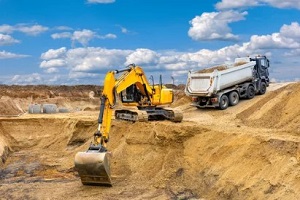
- Fill Dirt: No nutrients, used for grading and structural support.
- Topsoil: Nutrient-rich, used for planting.
Don’t confuse the two. Using topsoil as a structural base could lead to settling problems. Layer topsoil over compacted fill dirt when landscaping is complete.
Common Fill Dirt Applications in 2026
- Preparing building foundations
- Leveling lots and yards
- Backfilling retaining walls
- Repairing eroded land or sinkholes
- Raising elevation for flood protection
Environmental Considerations Always verify the origin of your fill dirt. Clean, tested material avoids risks like contamination. Local sourcing helps reduce carbon emissions and supports sustainable building practices.
Best Practices for Installing Fill Dirt

- Clear the site: Remove debris and organic matter.
- Layering: Install in 6–12 inch lifts.
- Compact each layer: Prevent future shifting.
- Manage moisture: Damp dirt compacts better.
Budgeting for Fill Dirt
- Material cost: Varies by type and location.
- Delivery: Local haulers reduce transport costs.
- Labor: Factor in excavation, hauling, and placement.
Regulations and Guidelines for 2026

Depending on your location, there may be local or state rules around using fill dirt—especially if the site is near water, wetlands, or flood zones. Permits may be required, so always check with your local building department.
Looking Ahead:
Fill Dirt Trends In 2026, expect to see more recycled and blended fill dirt options hitting the market. These support green building practices while delivering the performance contractors need. Also, new tech—like drone surveying and GPS-guided grading—is making dirt placement more precise and cost-efficient.
How Much Fill Dirt Do You Need?
Calculating the right amount of fill dirt starts with measuring the area’s dimensions—length, width, and depth. Multiply these together (in feet) and divide by 27 to convert to cubic yards. Always add 10–15% extra for compaction and settling. Whether you’re backfilling a pool, leveling a yard, or prepping a pad, this cushion ensures you don’t come up short once delivery begins.
Signs Your Project Requires Fill Dirt
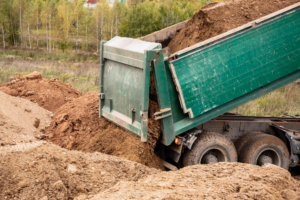
If your yard holds water, slopes unevenly, or you see low-lying areas around structures, these are signs you need fill dirt. Other indicators include soil settling after construction or erosion from heavy rain. Fill dirt helps correct these issues by creating a strong, level base to support proper drainage and structural stability.
Fill Dirt Delivery: What to Expect
Expect a dump truck to arrive with loose material—usually dropped in one central spot. Make sure there’s clear access to your site and a safe place to unload. Most deliveries don’t include labor, so plan for spreading and compaction unless your contractor has included those services. It’s fast and efficient with the right prep in place.
DIY vs. Professional Fill Dirt Installation
DIY installation works for small projects if you have the tools and time. However, larger jobs—like building pads or major grading—are best left to pros. Professionals have the equipment to compact layers properly and ensure drainage and elevation are correct. Mistakes can cost more to fix than hiring the right help from the start.
Permitting and Regulations for Fill Dirt Use

Some localities require permits when importing large volumes of fill dirt, especially if it changes land elevation or affects water runoff. Always check with your county or city before starting work. A quick call to your local permitting office can prevent delays, fines, or forced project changes down the road.
Fill Dirt Storage and Handling Tips
Keep delivered fill dirt on a flat, dry surface if not spreading right away. Use a tarp to protect it from rain or wind erosion. Avoid long storage times if possible—moisture content and compaction quality can be affected. Always handle with care, and use appropriate safety gear when moving or grading material.
Seasonal Considerations When Using Fill Dirt
Fill dirt performs best in dry weather. Spring and fall are ideal in most areas—moisture levels are manageable, and temperatures are moderate for compaction. Winter brings frozen ground, while summer heat can dry the material too quickly. Plan your project around favorable conditions for the best results.
FAQs About Fill Dirt for 2026 Projects

Homeowners often ask: What’s the difference between fill dirt and topsoil? How much does it cost? Can it be used under concrete? These are all fair questions. Fill dirt is compact, stable subsoil—not meant for growing plants. It’s more affordable than topsoil and ideal for structural support under slabs, driveways, and yard leveling projects.
Conclusion
For your 2026 project, knowing what you should know about fill dirt gives you a valuable edge. Choose wisely, compact properly, and source clean materials. Doing so will protect your investment, improve durability, and help your job stay on track.
Ready to start your project with confidence? Reach out to Dirt Connections today and let us help you get the right fill dirt delivered—fast, clean, and professionally handled.
Summary

Dirt Connections was started with one goal in mind: providing quality residential and commercial construction services to clients on time and on budget. Reach out for more information on how we can support your next project.
For your convenience our estimates are free and by appointment. Call 703-940-9949 for a free estimate today!