When your home starts to feel cramped, a home addition can give you the extra space you need without the disruption of moving. A home addition expands your existing structure and allows you to stay in a home you already know and enjoy.
Home additions range in size and scope. Some projects create small bump-outs for reading areas or dining space. Others add larger features such as a new master suite, expanded kitchen, additional floor, or finished basement. No matter the scale, a well-planned addition improves comfort, function, and long-term livability.
Because home additions affect structure, systems, and permits, working with an experienced professional helps ensure the project is completed correctly the first time.
How to Choose the Right Home Addition Contractor
Once you decide a home addition makes sense, selecting the right contractor becomes the most important step. Home additions involve structural work, coordination of trades, and compliance with local codes. Professional oversight protects your investment and your home.
Review Experience and Past Work
A contractor’s experience matters. Review past projects to confirm they have completed additions similar to yours. Look for clear before-and-after photos and examples that show structural changes, not just cosmetic updates. Strong portfolios demonstrate consistency, attention to detail, and quality workmanship.
Avoid contractors who provide vague examples or limited proof of past work. If their best projects do not meet your standards, their average work likely will not either.
Seek Trusted Recommendations
Personal recommendations offer valuable insight. Friends, neighbors, and family members who recently completed renovations can share honest feedback. Online reviews also help when viewed as a whole. Focus on patterns rather than isolated comments.
Pay attention to repeated themes such as reliability, communication, cleanliness, and budget control. A professional contractor maintains a visible presence, clear contact information, and a history of completed work.
Verify Licensing and Insurance
Proper credentials protect both you and the contractor. Confirm that the contractor meets local licensing requirements and carries valid insurance. Liability insurance protects your property. Workers’ compensation protects you if someone is injured on site.
A qualified contractor provides documentation without hesitation. Delays or reluctance to share proof often signal problems.
Speak With Past Clients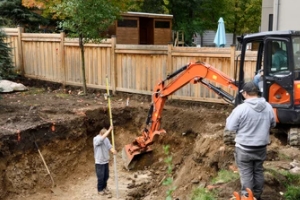
References provide real insight into how a contractor operates. Ask about scheduling, communication, and how issues were handled. Reliable contractors complete work as promised and address problems directly.
Choose references from both recent and older projects. This helps confirm long-term durability and consistency. If possible, visit a completed project to review workmanship firsthand.
Request Detailed Bids
Once you narrow your options, request written estimates. A professional bid outlines scope, materials, timeline, and total cost. Compare proposals carefully rather than focusing only on price.
Lower bids often reflect shortcuts or lower-quality materials. Consider overall value, not just cost. Avoid contractors who pressure you to sign quickly or claim limited-time pricing. A reputable professional gives you time to review and decide.
Types of Home Additions
Home additions come in many forms, depending on your space needs and property layout. Common options include bump-outs, sunrooms, garage conversions, second-story additions, and in-law suites. Smaller additions improve functionality, while larger projects create entirely new living areas. The right choice depends on your budget, zoning limits, and how you plan to use the space.
Planning and Budget Considerations
Proper planning sets the foundation for a successful home addition. Establishing a realistic budget early helps guide design decisions and material choices. Including a contingency for unexpected costs reduces stress later in the project. Clear planning also helps prevent delays and cost overruns.
Permits and Local Code Requirements
Most home additions require permits and inspections. Local building codes and zoning rules determine what can be built and where. Working with a professional contractor ensures permits are handled correctly and the work meets all local requirements. Skipping this step can result in fines, delays, or required removal of completed work.
Timeline Expectations
Home addition projects follow a phased timeline. Design and permitting come first, followed by site preparation and construction. Final inspections complete the process. Weather conditions, inspections, and material availability can affect scheduling. Understanding the timeline helps homeowners plan for temporary disruptions.
Living in the Home During Construction
Many homeowners remain in their homes during construction. Noise, dust, and limited access to certain areas are common. Contractors often isolate work zones to reduce disruption. Clear communication helps manage expectations and maintain comfort throughout the project.
Design Integration With the Existing Home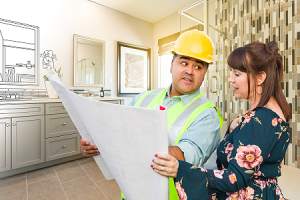
A well-designed home addition should blend seamlessly with the existing structure. Matching rooflines, siding, windows, and finishes helps the addition look original to the home. Poor integration can make an addition feel disconnected. Thoughtful design improves both appearance and resale value.
Energy Efficiency and Structural Considerations
Energy efficiency and structural integrity play an important role in any home addition. Proper insulation, ventilation, and HVAC integration improve comfort and control energy costs. Structural design must account for load requirements and foundation support. These elements affect long-term performance and durability.
Common Mistakes Homeowners Make
Many homeowners make mistakes by choosing a contractor based on price alone or rushing decisions. Skipping reference checks or contract reviews can lead to problems later. Taking time to evaluate qualifications and expectations reduces risk and improves results.
How to Prepare Before Contacting a Contractor
Preparing before contacting a contractor helps streamline the process. Defining goals, setting a budget range, and gathering inspiration photos make conversations more productive. Clear direction allows contractors to provide accurate estimates and recommendations.
Questions to Ask Before Signing a Contract
Before signing a contract, homeowners should ask about timelines, payment schedules, and how changes are handled. Warranty coverage and communication expectations should also be clear. Asking the right questions protects both parties and sets the project up for success.
Work With a Professional Home Addition Contractor
If you are planning a home addition in Northern Virginia, Dirt Connections can help. Their team handles projects ranging from small bump-outs to full-scale additions. They focus on quality construction, clear communication, and dependable service.
A well-built home addition increases comfort, function, and long-term value. Working with the right contractor makes all the difference.
Summary

Dirt Connections was started with one goal in mind: providing quality residential and commercial construction services to clients on time and on budget. Reach out for more information on how we can support your next project.
For your convenience our estimates are free and by appointment. Call 703-940-9949 for a free estimate today!