Gardening can be rewarding, but it comes with real challenges. Poor soil quality, pests, and unpredictable weather often stand in the way of healthy plant growth. In many cases, soil—not pests—is the root of the problem. This is where bio mix soil makes a measurable difference.
A custom bio mix soil combines organic matter, beneficial microorganisms, and balanced soil components to support healthier plants. It improves soil performance while reducing reliance on chemical fertilizers and treatments. The result is a stronger, more resilient garden.
In this guide, we explain how bio mix soil solves common gardening problems and helps create a healthier, more sustainable landscape.
The Main Problems Caused by Poor Soil Quality
Many garden issues start below the surface. Poor soil structure often causes soil to dry out and crack during summer. This makes it difficult for roots to establish and absorb nutrients.
High clay content is a common culprit. Clay-heavy soil compacts easily and holds water unevenly. Compaction limits air movement and restricts root growth. Plants struggle to access oxygen, water, and nutrients.
Compacted soil also makes digging difficult and slows plant establishment. Even well-watered plants may wilt during hot weather because roots cannot function properly. Shrubs such as hydrangeas and rhododendrons often show stress despite regular watering.
Yellowing leaves, brown edges, and weak growth can point to drainage problems and nutrient deficiencies. Poor soil structure traps water around roots, increasing the risk of root rot and disease.
Vegetables like tomatoes and peppers may develop blossom-end rot. This happens when inconsistent moisture prevents proper nutrient uptake, even when fertilizers are present.
Standing water, surface pooling, and slow drainage all signal poor soil structure. These conditions deprive roots of oxygen and lead to long-term plant decline.
Improving soil quality addresses these problems at their source. Bio mix soil combines sand, clay, and organic matter to correct drainage, aeration, and nutrient balance. The result is stronger plants and a healthier garden.
The Importance of Bio Mix Soil
Bioretention soils, also called bio mix soils, are engineered blends designed to improve plant growth and water management. These soils support healthier roots while delivering environmental benefits.
Bio mix soil relies on sand as its primary component. Sand improves drainage and airflow. Clay and organic matter are added in controlled amounts to retain moisture and nutrients.
The exact blend can vary based on application. However, the core goal remains the same: create soil that drains well, holds nutrients, and supports long-term plant health.
Why Choose a Custom Soil Mix
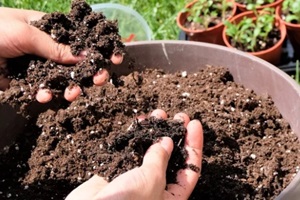
Sand plays a key role in bio mix soil. It creates open pore spaces that allow water to drain and air to circulate. Roots need oxygen to grow and function properly.
Clay, though used in smaller amounts, helps hold moisture and nutrients in place. Without clay, nutrients wash away too quickly. With too much clay, soil compacts.
Organic matter improves fertility and soil structure. It releases nutrients slowly, supports microbial life, and binds soil particles together. This balance creates stable, productive soil.
Custom soil mixes allow these components to work together. Each ingredient supports the others, creating soil that performs consistently over time.
Customizing Bio Mix Soil for Your Needs
One of the biggest advantages of bio mix soil is flexibility. You can adjust sand, clay, and organic matter based on site conditions and plant needs.
Areas that require fast drainage benefit from higher sand content. Rain gardens and bioswales are common examples.
Vegetable gardens and ornamental beds often benefit from more organic matter. This improves nutrient availability and moisture retention.
Local climate matters. Heavy clay regions often need added sand to improve airflow and drainage. Sandy regions benefit from added organic matter and clay to hold moisture and nutrients.
Understanding plant requirements also matters. Different plants need different moisture levels and soil structures. Soil testing or professional guidance helps determine the right blend.
Practical Applications for Bio Mix Soil
Bio mix soil works across many gardening applications.
Raised beds benefit greatly from bio mix soil. Improved drainage and aeration support strong root systems. This makes raised beds ideal for vegetables and flowers.
Gardeners can also amend existing soil. Mixing bio mix soil into native soil improves texture, fertility, and drainage. This corrects common soil deficiencies.
Container gardening is another effective use. Containers often suffer from compaction and poor drainage. Bio mix soil improves airflow and water movement, leading to healthier roots and better growth.
Getting the Right Custom Soil Mix
Poor soil causes many gardening frustrations. Compaction, drainage problems, and nutrient imbalance all limit plant performance. Bio mix soil addresses these issues directly.
Its balanced blend improves soil structure, supports root health, and stabilizes moisture levels. Over time, gardens become more productive and easier to maintain.
If you want to improve your garden or landscape, a custom bio mix soil provides a proven solution.
To get started, contact Dirt Connections. They bring decades of experience supplying custom soil mixes for residential and commercial projects.
Virginia residents can call 703-940-9949.
Maryland residents can call 301-691-3215.
You can also request a quote online to learn how a custom bio mix soil can help create a healthier, more resilient garden.
Summary

Dirt Connections was started with one goal in mind: providing quality residential and commercial construction services to clients on time and on budget. Reach out for more information on how we can support your next project.
For your convenience our estimates are free and by appointment. Call 703-940-9949 for a free estimate today!