Essential Guide to Pool Removal in Fairfax VA: What Every Homeowner Must Know
Deciding to remove your pool is a big step for Fairfax homeowners. Whether you want to reduce maintenance costs, improve safety, or create more yard space, understanding how pool removal works is key. This guide on pool removal yard restoration in Fairfax VA explains the process, costs, permits, and what to expect before, during, and after demolition. You’ll also learn about landscaping options and how to prepare your property for the best results. With the right plan, you can transform your old pool area into a beautiful, functional outdoor space that fits your lifestyle.
Understanding Pool Removal: An Overview
Pool removal might sound complicated, but with the right plan, it’s a straightforward process. In Fairfax, pool removal means draining the water, breaking up the pool structure, and filling the area with structural fill dirt or clean soil. This process prepares your property for new landscaping or construction.
Each step must be handled carefully to avoid settling or drainage problems later. Proper compaction ensures a stable base for grass, patios, or gardens. By understanding each phase, you can avoid costly mistakes and ensure long-term success for your yard.
Why Homeowners Choose Pool Removal
Many homeowners in Fairfax, VA, choose pool removal to reduce costs and increase usable yard space. Pools require regular maintenance, expensive chemicals, and ongoing repairs. These costs add up over time. Removing the pool eliminates these expenses and creates more space for outdoor projects.
Others remove pools for safety reasons. Families with children or pets prefer a safer, open yard with less risk. Removing an unused or damaged pool also helps increase property value, especially in areas like Fairfax County, where space is at a premium.
Whether your goal is saving money or reclaiming space, pool removal gives you the freedom to redesign your backyard exactly how you want it.
Types of Pool Removal: Partial vs. Complete
When removing a pool, you can choose partial removal or complete removal.
Partial removal, also known as a pool fill-in, involves breaking the top portion of the pool walls and filling the structure with compacted fill dirt. It’s faster and less expensive, but the area may not support future structures like garages or additions.
Complete removal takes out the entire pool shell, including the floor and walls. This option costs more but provides a clean, stable foundation for any future use. Homeowners planning major landscaping or building projects often choose this method for long-term stability and peace of mind.
The Pool Removal Process: Step-by-Step
The pool removal process in Fairfax, VA follows a series of carefully managed steps.
- Secure permits: Start by obtaining local permits and ensuring compliance with Fairfax County regulations.
- Disconnect utilities: Shut off electrical, gas, and water connections for safety.
- Drain the pool: Use pumps to remove all water responsibly.
- Demolish the structure: Heavy equipment breaks up the concrete or fiberglass shell.
- Remove debris: Contractors haul debris to approved recycling or disposal facilities.
- Backfill and compact: Structural fill dirt is placed in layers and compacted for stability.
- Grade the site: The area is leveled and prepared for topsoil, sod, or landscaping.
Each step ensures the yard remains stable, safe, and ready for new use.
Permits and Regulations for Pool Removal in Fairfax VA
Fairfax County requires permits for pool demolition to ensure safety and environmental compliance. Homeowners must submit a detailed plan showing how the removal will be completed and how debris will be handled.
Proper grading and erosion control are essential. Fairfax inspectors verify that clean fill dirt is used and the area drains correctly. Working with an experienced, licensed contractor simplifies this process. They know the Fairfax permitting system and can help you avoid costly delays.
Failing to follow local rules can result in fines or stop-work orders, so compliance is critical for a smooth and legal pool removal project.
Cost Factors: What to Expect When Budgeting
The cost of pool removal in Fairfax VA depends on several factors, including pool size, materials, and access to the site.
Partial pool removal costs typically range from $3,000 to $10,000, while complete removal can cost between $6,000 and $15,000. Larger pools, difficult access, or reinforced concrete can increase costs.
Additional expenses may include permit fees, soil testing, and post-removal landscaping. Always request a detailed written estimate from your contractor to understand what’s included. Investing in proper removal helps prevent future issues like soil settling or drainage problems, saving money in the long run.
Environmental Considerations and Benefits
Removing your pool can benefit both your property and the environment. Pools consume thousands of gallons of water each year and require chemicals that can harm local ecosystems.
By removing your pool, you reduce water use, eliminate chemical runoff, and create space for native landscaping. Reclaimed soil can support gardens, pollinator plants, or rainwater collection areas that promote sustainability.
Many Fairfax homeowners turn old pool spaces into eco-friendly gardens or low-maintenance lawns. With thoughtful planning, your yard can look great while helping the environment.
Choosing the Right Pool Removal Contractor
Selecting the right contractor makes all the difference. Look for a licensed and insured Fairfax pool removal company with experience in both partial and complete demolitions.
Ask for references, read reviews, and confirm they follow all local regulations. A reliable contractor will provide a detailed written estimate, explain the process, and outline your timeline clearly.
Professionals familiar with Fairfax County soil conditions and permitting can help you avoid costly mistakes. Choosing the right team ensures your project is completed safely, efficiently, and within budget.
Preparing Your Property for Pool Removal
Before demolition begins, clear the area around your pool. Remove furniture, fencing, or plants that could block access. Notify your neighbors about the project — heavy equipment can be noisy, and courtesy goes a long way.
Plan ahead for how you’ll use the reclaimed space. Whether you want a garden, patio, or lawn, having a vision helps your contractor grade and fill the area accordingly.
If you’re unsure where to start, Dirt Connections can guide you through site preparation and post-removal design ideas for your yard.
Post-Removal: Landscaping and Property Maintenance Tips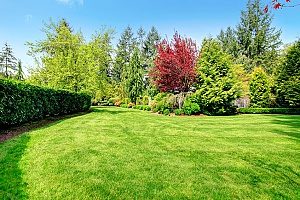
Once your pool is gone, your yard becomes a blank canvas. Many homeowners in Fairfax choose to install sod, seed grass, or create garden beds. Use screened topsoil for healthy plant growth and proper drainage.
For a low-maintenance option, consider hardscaping with stone patios, walkways, or seating areas. Adding mulch or native plants can reduce water use and enhance curb appeal.
Regular maintenance — watering, fertilizing, and inspecting for settling — keeps your new yard in top shape. With the right care, your property can thrive for years to come.
What Your Yard Looks Like After Pool Removal
After pool removal, your yard looks very different — and that’s a good thing. The open space gives you a clean slate for new landscaping. In most cases, you’ll see freshly graded soil where the pool once sat, often with visible fill dirt and compacted areas. This is completely normal. As the soil settles, it may appear slightly uneven at first, but a few weeks of weather and light maintenance help it stabilize. Homeowners in Fairfax often use this stage to plan new designs like a lawn, patio, or garden bed. The key is to let the ground rest before planting or building to ensure lasting results.
How to Handle Uneven Ground and Soil Compaction
Uneven ground is common after pool demolition, especially if heavy equipment worked in a confined space. To correct this, lightly regrade the surface using screened fill dirt and a rake. Avoid adding too much soil at once — compacting in layers helps prevent future settling. If the soil feels hard or packed, aerate it using a garden fork or mechanical aerator. This simple step improves airflow and drainage, which encourages healthy root growth. Homeowners in Northern Virginia often hire a grading professional for large yards to ensure proper water flow away from the house. Addressing uneven ground early prevents drainage issues and sets a strong foundation for future landscaping.
Testing and Improving Soil After Pool Removal
Before planting anything, test your soil. Pool demolition can change soil composition, pH levels, and drainage patterns. You can buy a simple soil test kit at a local garden center or order one online. Testing helps you identify nutrient deficiencies or compaction issues early. Most homeowners in Fairfax find that adding organic matter like compost or topsoil improves soil health quickly. Mixing these materials into the top six inches boosts fertility and helps water drain evenly. If the soil is too clay-heavy, blend in sand or fine gravel to improve structure. Taking time to test and condition your soil ensures your new lawn or garden thrives from the start.
Topsoil vs. Fill Dirt: Which Is Best for Yard Restoration
Choosing between topsoil and fill dirt depends on how you plan to use your yard. Fill dirt is ideal for building up low spots and creating a stable base after pool removal. It compacts well and prevents future settling. Topsoil, on the other hand, is rich in nutrients and perfect for planting grass, trees, or shrubs. For the best results, use structural fill dirt to level and compact the area, then apply 4–6 inches of screened topsoil on top. This combination gives you both stability and healthy soil for growth. Homeowners across Fairfax and Prince William Counties use this method to restore their yards quickly and effectively.
Choosing the Right Plants for Post-Pool Landscaping
Once the soil is ready, it’s time to choose the right plants. Native plants are the best option for Fairfax homeowners because they adapt well to local weather and soil. Consider low-maintenance choices like switchgrass, coneflowers, or black-eyed Susans for color and durability. If you prefer privacy, small evergreens such as arborvitae or holly work beautifully. For a simple lawn, pick a hardy grass like tall fescue that grows well in Northern Virginia. Add mulch around plants to retain moisture and reduce weeds. Thoughtful plant selection enhances curb appeal and keeps your post-pool landscape easy to care for all year long.
Conclusion: Transform Your Fairfax Yard with Expert Pool Removal
Pool removal in Fairfax VA is more than just demolition — it’s the start of a new chapter for your home. By understanding the process, following local regulations, and choosing the right contractor, you can transform your yard into a safe, functional, and beautiful outdoor space.
When you’re ready to start, contact Dirt Connections for professional pool removal and structural fill dirt delivery across Fairfax, Loudoun, and Prince William Counties.
Call 703-940-9949 or visit dirtconnections.com to get your free quote and reclaim your yard today.
Summary

Dirt Connections was started with one goal in mind: providing quality residential and commercial construction services to clients on time and on budget. Reach out for more information on how we can support your next project.
For your convenience our estimates are free and by appointment. Call 703-940-9949 for a free estimate today!