Transform Your Garden: The Ultimate Guide to Spring Landscaping with Screened Topsoil
 Spring is the season of renewal, making it the perfect time to breathe new life into your garden. The foundation of any thriving landscape begins with healthy soil, and screened topsoil in Northern Virginia is the key to achieving that. With its rich, nutrient-dense composition, screened topsoil provides the ideal base for strong plant growth, better drainage, and lasting beauty. In this guide, we’ll walk through everything you need to know—from choosing the right topsoil to applying it properly—so you can create a flourishing landscape this spring. Whether you’re a seasoned gardener or just starting out, these tips will help you transform your outdoor space into a lush sanctuary you’ll enjoy all season long.
What is Screened Topsoil?
Screened topsoil is regular topsoil that has been sifted to remove rocks, roots, and large clumps. The result is a smooth, fine-textured soil that’s easy to work with and highly effective for planting. Unlike unscreened soil, which can be inconsistent and difficult to manage, screened topsoil offers uniformity, making it perfect for flower beds, lawns, and vegetable gardens. Because it’s clean and consistent, it blends seamlessly with your existing soil and provides an even foundation for growth.
Benefits of Using Screened Topsoil in Your Garden
Screened topsoil provides multiple advantages:
- Improved soil structure: It balances sand, silt, and clay to prevent compaction and promote drainage.
- Nutrient-rich foundation: Packed with organic matter, it fuels healthy plant growth.
- Enhanced aeration: Its fine texture creates space for oxygen, boosting root development.
- Fewer weeds and contaminants: Screening eliminates debris and invasive seeds.
By enhancing both soil health and plant performance, screened topsoil sets the stage for long-lasting landscaping success.
Preparing Your Garden for Spring Landscaping

Before adding screened topsoil, preparation is key:
- Clear debris: Remove weeds, twigs, and leaves to start fresh.
- Test your soil: Check pH and nutrient levels, then amend as needed with lime, sulfur, or compost.
- Loosen compacted soil: Use a garden fork or tiller to break up dense ground at least 6 inches deep.
This groundwork ensures your new topsoil blends properly and supports healthy root systems from day one.
How to Select the Right Screened Topsoil
Not all topsoil is equal. Choose dark, crumbly soil that smells earthy, not sour. Avoid sandy or pale soils with poor nutrient content. Ask your supplier about their screening process and request a small sample if possible. For vegetable gardens, look for nutrient-rich blends. For ornamental beds, a well-draining mix is best. Premium screened topsoil in Northern Virginia may include compost for extra fertility, giving your plants the best possible start.
Step-by-Step Guide to Applying Screened Topsoil

- Spread evenly: Lay 2–4 inches of screened topsoil over the area with a shovel or wheelbarrow.
- Rake smooth: Create an even surface free of clumps.
- Water thoroughly: This helps settle the soil and remove air pockets.
- Plant accordingly: Sow seeds at the recommended depth or transplant directly into the topsoil layer.
Following these steps ensures a strong foundation that supports growth all season.
Best Plants for Spring Landscaping with Screened Topsoil
Screened topsoil is versatile and supports a wide range of plants:
- Annuals: Marigolds, petunias, and impatiens add bold seasonal color.
- Perennials: Coneflowers, hostas, and daylilies return year after year with minimal care.
- Shrubs: Azaleas, hydrangeas, and boxwoods add structure and year-round appeal.
Planting a mix of these creates depth, texture, and lasting beauty in your garden.
Common Mistakes to Avoid When Using Screened Topsoil
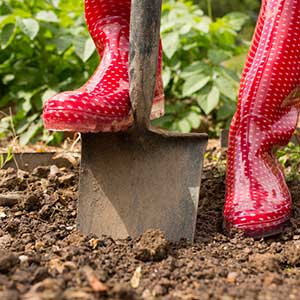
- Applying too much: More than 4 inches can cause drainage issues.
- Skipping prep work: Poorly prepared soil won’t bond with the new layer.
- Buying low-quality soil: Cheap topsoil often contains debris, pests, or poor nutrient content.
Avoiding these pitfalls ensures your investment in screened topsoil delivers long-term results.
Maintenance Tips for a Thriving Spring Garden
- Water deeply and evenly to reach the root zone.
- Fertilize sparingly with balanced nutrients to support plant health.
- Mulch around plants to conserve moisture, regulate temperature, and suppress weeds.
- Inspect regularly for pests or diseases and act quickly to protect your plants.
Consistent care is the secret to keeping your garden vibrant all season.
How to Calculate How Much Screened Topsoil You Need
Accurate measurements prevent wasted money and time. Measure the length, width, and depth of your garden area, then multiply to find the volume. Convert that figure into cubic yards, since that’s how topsoil is sold. Always order a bit extra to account for settling. This ensures you have enough screened topsoil for spring landscaping in Northern Virginia without unnecessary delays. For best results, mark out your planting areas ahead of time and use a calculator or online tool to double-check your math before placing your order.
Where to Buy Screened Topsoil Locally
 Finding a reliable supplier makes all the difference. Look for companies in DC, Maryland, and Virginia that specialize in screened topsoil delivery. Local providers can offer better pricing, faster service, and advice on soil that works best for your area. Ordering locally also supports nearby businesses and cuts down on delivery costs.
DIY vs. Professional Topsoil Delivery
You can pick up topsoil yourself for smaller projects, but professional delivery saves time and effort. Experts know how to handle tight access areas, unload safely, and spread soil evenly. For larger projects or when access is limited, screened topsoil delivery in Northern Virginia ensures you get the right amount of material exactly where you need it. This approach not only streamlines your workflow but also guarantees consistency in soil placement, which is critical for long-term stability and plant health.
Tips for Storing Extra Screened Topsoil
If you order more topsoil than you immediately need, proper storage keeps it fresh and usable. Place extra screened topsoil on a tarp in a dry, shaded spot. Cover it with plastic to prevent erosion from rain and keep weeds from sprouting. With simple storage, you’ll have quality soil ready for future landscaping projects.
When to Reapply Screened Topsoil for Best Results
 Screened topsoil isn’t a one-time fix. To keep your garden healthy, add fresh topsoil every few years or when you notice thinning soil or poor plant growth. Reapplying in spring or fall provides plants with a nutrient boost and improves soil structure. Regular reapplication ensures your landscape continues to thrive season after season.
FAQs About Screened Topsoil and Spring Landscaping in DC, MD & VA
1. What is screened topsoil and why is it better?
Screened topsoil is regular soil that has been sifted to remove rocks, roots, and debris. This gives you a smooth, nutrient-rich product that’s easier to spread and perfect for gardening, landscaping, and lawn repair.
2. How much screened topsoil do I need for my yard?
Measure the length, width, and depth of the area you want to cover, then multiply to get the volume. Divide by 27 to convert cubic feet into cubic yards, since topsoil is sold that way. Always add 10–15% extra for settling.
3. Can you deliver screened topsoil to tight access sites?
Yes. We provide screened topsoil delivery in DC, Maryland, and Virginia, even for hard-to-reach areas. Narrow driveways, alleys, or small yards aren’t a problem with our specialized equipment.
4. What’s the best time of year to order screened topsoil?
Spring is ideal because your soil is thawing, plants are ready to grow, and suppliers often offer better availability. Ordering in spring also helps you avoid the higher demand and pricing of summer projects.
5. How do I store extra screened topsoil?
Keep it on a tarp in a shaded spot and cover it with plastic to protect it from rain. This prevents erosion and weeds so it stays fresh for future use.
6. Do you offer screened topsoil delivery in Northern Virginia?
Yes. We deliver screened topsoil across Fairfax County, Arlington, Alexandria, Loudoun, and Prince William, as well as Maryland and DC. Call today to schedule fast and reliable delivery.
Conclusion: Embrace the Beauty of a Transformed Garden
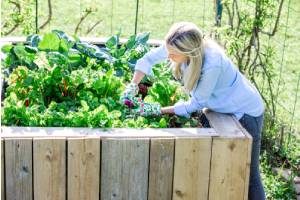 Adding screened topsoil for spring landscaping in Northern Virginia is one of the most effective ways to revitalize your landscape. With the right preparation, careful application, and ongoing maintenance, you’ll create a garden that’s both beautiful and resilient. Whether you’re planting flowers, vegetables, or shrubs, screened topsoil ensures your plants thrive in nutrient-rich, well-draining soil. Transform your yard into a lush, inviting retreat this season—and enjoy the rewards of healthy growth, vibrant color, and outdoor beauty for months to come.
Summary

Dirt Connections was started with one goal in mind: providing quality residential and commercial construction services to clients on time and on budget. Reach out for more information on how we can support your next project.
For your convenience our estimates are free and by appointment. Call 703-940-9949 for a free estimate today!