Understanding Property Grading

Property grading shapes the land so water flows away from your home. This process protects foundations and improves drainage. In many cases, poor grading causes water damage and soil erosion. For example, many homeowners search how to fix yard drainage problems in Northern Virginia before fall rains. In most cases, the solution begins with proper yard grading and soil adjustment. Correct grading creates a gentle slope away from the house. As a result, rainwater moves safely toward drainage areas. This simple adjustment protects your home and landscaping. Homeowners across Fairfax County, Northern Virginia, Maryland, and Washington DC often face drainage issues during heavy fall storms. Therefore, understanding how to identify grading problems early can help prevent expensive repairs.
Importance of Proper Grading for Drainage
Proper grading controls how rainwater moves across your property. Without good drainage, water collects near foundations, driveways, and landscaping. For example, many homeowners search how to improve yard drainage in Fairfax County before fall rainstorms. Proper grading helps solve these problems. Good grading moves water away from your house and toward safe drainage areas. As a result, the soil stays stable and your foundation remains protected. In addition, proper yard grading supports healthy landscaping. Plants grow better when soil drains properly. However, poorly graded yards often suffer from erosion and muddy areas. Therefore, correcting drainage with professional yard grading services in Northern Virginia can protect both your property and your investment.
Sign #1: Water Pooling in Your Yard
Water pooling after rain often signals poor yard grading. If puddles remain for hours, drainage likely needs improvement. Many homeowners search how to fix standing water in yard Northern Virginia during rainy seasons. Standing water damages lawns and attracts insects. Pooling water also increases mold and mildew risk. Therefore, fixing grading problems early prevents long-term damage. Professional grading services adjust the slope of the yard. As a result, rainwater flows away from low areas and drains properly. If you notice repeated puddles, your property likely needs grading before fall rains arrive.
Sign #2: Erosion on Slopes and Hillsides
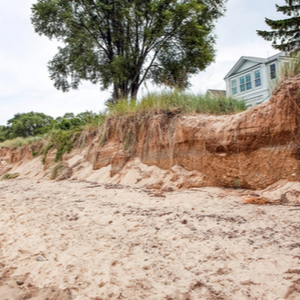
Soil erosion often appears on sloped areas of your property. Rainwater can wash soil away and expose plant roots. Many property owners search how to prevent soil erosion in Northern Virginia yards when fall storms approach. Erosion damages landscaping and weakens soil stability. Over time, this problem can affect nearby structures. Grading adjustments combined with vegetation often help protect hillsides and landscaping from erosion.
Sign #3: Cracks in Your Foundation
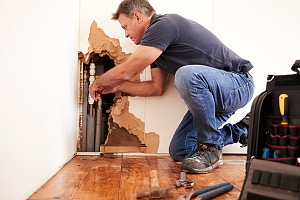
Foundation cracks often indicate poor drainage around your home. When water collects near the structure, soil expands and shifts. Many homeowners search foundation drainage problems Northern Virginia after noticing small cracks. These cracks may start small but often grow over time. Therefore, correcting drainage quickly becomes important. Professional grading services redirect water away from foundations. As a result, soil movement decreases and structural damage becomes less likely. If you see new foundation cracks, check drainage conditions around your property.
Sign #4: Uneven or Sloped Driveways
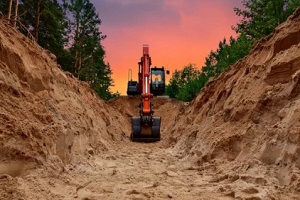
Uneven driveways often signal drainage problems on your property. Water can weaken the soil beneath pavement and cause settling. Many homeowners search driveway drainage solutions in Fairfax County when potholes begin to appear. Standing water also damages asphalt and concrete surfaces. Therefore, correcting grading helps protect your driveway. Grading adjustments guide water away from driveways and toward drainage areas. With proper drainage, your driveway surface stays stronger and safer.
Sign #5: Saturated Soil and Muddy Areas
Constant muddy areas indicate poor drainage. When soil cannot drain properly, the ground stays wet and unstable. Many homeowners search how to fix muddy yard areas in Northern Virginia after heavy rain. Wet soil damages lawns and landscaping. In addition, saturated areas attract mosquitoes and other insects. Proper yard grading improves soil drainage and helps water move away from problem areas. After grading improvements, the yard dries faster and becomes easier to maintain.
Sign #6: Damaged Landscaping and Plant Health
Poor drainage often damages plants and landscaping. Excess water can weaken roots and reduce plant growth. Many property owners search why plants die in wet soil Northern Virginia when drainage problems develop. Improper grading may also cause soil erosion around garden beds. Professional grading helps stabilize soil and guide water away from plants. As a result, landscaping stays healthier and more attractive.
Sign #7: Increased Insect Activity and Pests
Standing water often attracts insects and pests. Mosquitoes especially thrive in wet environments. Many homeowners search how to stop mosquitoes in yard Northern Virginia during rainy seasons. Poor drainage creates ideal breeding conditions for pests. Therefore, correcting grading problems reduces standing water. Proper yard grading removes moisture buildup and improves drainage. As a result, your outdoor environment becomes safer and more comfortable.
FAQ: Property Grading Before Fall Rains

Many homeowners search for the signs your property needs grading before fall rains in Northern Virginia. These common questions help explain drainage problems and grading solutions.
How much does yard grading cost in Northern Virginia?
The cost of yard grading in Northern Virginia depends on the project size and soil required. Small grading projects may cost a few hundred dollars. Larger grading projects that require equipment and fill dirt cost more. Many homeowners search yard grading cost in Northern Virginia before starting work. A quick site review helps determine the correct grading plan and the amount of fill dirt needed.
When should homeowners schedule grading before fall rains?
Homeowners should schedule yard grading before the fall rainy season begins. Early storms often reveal drainage problems around foundations and yards. Many homeowners search when to grade yard before fall rains in Northern Virginia. Completing grading work early helps prevent flooding, erosion, and standing water around your property.
What type of dirt is used for yard grading?
Most grading projects use fill dirt or screened fill dirt. Contractors use this soil to shape slopes and improve drainage. Many homeowners search what type of dirt is best for yard grading in Fairfax County. The correct soil depends on drainage needs, slope conditions, and existing soil on the property.
How long does property grading take?
Most residential grading projects finish in one day. Larger properties may require additional time. Many homeowners search how long yard grading takes in Northern Virginia before scheduling work. A quick site inspection helps determine the grading plan and equipment needed.
Conclusion: Taking Action Before the Rains Arrive
Fall rainstorms often reveal drainage problems on residential properties. Therefore, identifying grading issues early helps protect your home. If you notice standing water, erosion, foundation cracks, or muddy areas, your property may need grading. Professional yard grading services in Northern Virginia help correct drainage and prevent water damage. Dirt Connections provides dirt delivery, grading services, and construction solutions across Northern Virginia, Maryland, and Washington DC. If your property needs grading before fall rains arrive, contact Dirt Connections today. We help homeowners order fill dirt in Northern Virginia, improve drainage, and protect their property from water damage.
Summary

Dirt Connections was started with one goal in mind: providing quality residential and commercial construction services to clients on time and on budget. Reach out for more information on how we can support your next project.
For your convenience our estimates are free and by appointment. Call 703-940-9949 for a free estimate today!