In the pursuit of healthy plants and reliable harvests, the most important work happens below the surface. Soil quality determines how well plants grow, how efficiently they absorb nutrients, and how resilient they remain over time. Bio mix soils, also known as bioretention soils, play a growing role in both sustainable gardening and effective stormwater management.
These engineered soil blends help filter stormwater in systems like rain gardens and retention areas. At the same time, they create a strong growing environment for plants. One factor influences their performance more than most others: soil pH.
pH affects nutrient availability, microbial activity, and overall soil health. When pH falls outside the proper range, plants struggle to absorb nutrients even when those nutrients are present. Managing pH in a custom bio mix soil improves plant health, supports consistent growth, and leads to better yields.
This article explains how pH works in bio mix soils and why maintaining balance matters for productive gardens and landscapes.
What Are Bio Mix Soils?
Bio mix soils, sometimes called bioretention soils, are engineered soil blends designed to manage water while supporting plant growth. Unlike native soil, bio mix soil combines specific materials to create a porous, nutrient-supporting structure.
Most mixes include sand, compost, and loam or similar materials. Sand improves drainage and airflow. Organic matter increases fertility and moisture retention. Together, these components allow the soil to filter stormwater while storing water for plant use.
This structure reduces runoff, improves water quality, and supports root development. The result is soil that performs consistently in both environmental and horticultural applications.
The Role of pH in Soil Health
Soil pH measures acidity or alkalinity. This balance directly affects plant health and productivity. Incorrect pH rarely kills plants immediately. Instead, it slows growth, dulls foliage, and reduces yields over time.
Some plants tolerate a wide pH range, but tolerance does not equal optimal performance. Hydrangeas provide a clear example. Their flower color changes based on soil pH, showing how strongly chemistry influences plant behavior.
Most plants perform best in soil with a pH between 6.0 and 7.0. In this range, nutrients remain readily available. Bio mix soils can drift outside this range due to their components, water exposure, and environmental conditions.
When pH moves too far in either direction, nutrients become unavailable. This condition, known as nutrient lock-up, restricts growth even when fertilizers are present. Regular pH monitoring prevents this issue and protects long-term soil performance.
Adjusting pH for Better Growth
When soil pH falls outside the ideal range, corrections must be made carefully. Acidic soil requires lime to raise pH. Alkaline soil requires sulfur to lower pH.
Soil testing should guide all adjustments. Overcorrecting pH creates new problems and can damage plants. Small, gradual changes work best.
Routine testing and measured amendments keep pH stable over time. This approach ensures nutrients remain available and roots function properly within a custom soil mix.
How pH Affects Nutrient Availability
pH controls how nutrients behave in the soil. Macronutrients such as nitrogen, phosphorus, and potassium remain most available in slightly acidic to neutral conditions.
Micronutrients behave differently. Iron and manganese become more available in acidic soil. If pH drops too low, these nutrients can reach toxic levels. At high pH levels, plants may struggle to absorb them at all.
Understanding these interactions allows gardeners to manage bio mix soils effectively. The goal is balance, not extremes. Proper pH keeps all nutrients available at safe and useful levels.
pH and Microbial Activity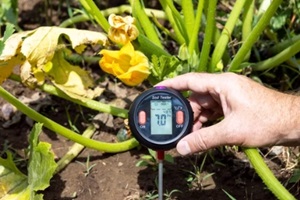
Microorganisms play a critical role in soil health. Beneficial bacteria and fungi break down organic matter, recycle nutrients, and help suppress disease.
These organisms prefer pH levels similar to those favored by plants. When pH shifts too far, microbial activity slows. Nutrient cycling weakens. Soil structure suffers.
Maintaining proper pH supports plant health directly and strengthens soil biology. Healthy microbes improve fertility, structure, and long-term soil resilience.
Practical pH Management for Bio Mix Soil
Managing pH starts with testing. Gardeners should test soil regularly to identify changes early. Adjustments should be gradual and reevaluated after each application.
Plant selection also matters. Different plants prefer different pH ranges. Knowing these preferences helps fine-tune soil conditions.
Organic matter helps stabilize pH. Compost buffers sudden changes and supports microbial life. This makes it especially valuable in bio mix soils that balance water filtration with plant growth.
Working with a soil professional or using reliable test kits improves accuracy and results.
Partner With Northern Virginia Bio Mix Soil Experts
Bio mix soils offer powerful benefits, but performance depends on proper management. pH balance plays a central role in plant health, nutrient availability, and soil stability.
By understanding and managing pH, gardeners and growers improve results without relying on excessive fertilizers or treatments. The approach is practical, effective, and sustainable.
Whether you manage a backyard garden or a larger growing area, proper soil chemistry leads to healthier plants and better yields.
If you want help selecting or managing bio mix soil, Dirt Connections is ready to assist. Their team brings decades of experience supplying custom soil solutions.
Virginia residents can call 703-940-9949.
Maryland residents can call 301-691-3215.
You can also visit Dirt Connections online to learn more about custom bio mix soil options and how they can support your project.
Summary

Dirt Connections was started with one goal in mind: providing quality residential and commercial construction services to clients on time and on budget. Reach out for more information on how we can support your next project.
For your convenience our estimates are free and by appointment. Call 703-940-9949 for a free estimate today!