Introduction

Preparing soil for construction involves more than simply placing fill and driving heavy equipment over it. Understanding what is a compaction test and its role in this process is essential. Every successful project depends on achieving the proper soil density before foundations, pavement, utilities, or other structures are built.
How do engineers know the soil has been compacted correctly? The answer is compaction testing.
A compaction test measures whether soil has reached the density required by the project’s engineering specifications. It helps verify that the soil can safely support the intended structure while reducing the risk of settlement, pavement failure, and other costly problems.
Whether constructing a residential home, commercial building, highway, parking lot, bridge, or industrial facility, compaction testing is an important quality control step that helps ensure long-term performance.
Experienced contractors understand that compacting soil is only part of the process. Verifying the results through testing provides confidence that the work meets design requirements before construction continues.
Quick Summary
A compaction test measures the density of compacted soil to verify that it meets engineering requirements. Testing helps confirm that the soil can safely support structures, reduces the risk of settlement, and improves the long-term performance of construction projects.
What Is a Compaction Test?
A compaction test is an engineering procedure used to determine whether compacted soil has reached the required density for a construction project. After soil has been placed and compacted, technicians perform laboratory or field tests to compare the achieved density against the project’s specifications. If the required density has been achieved, construction can continue.
If not, additional moisture conditioning, compaction, or stabilization may be necessary before the next phase of construction begins. Compaction testing helps verify that the ground beneath a structure will perform as intended throughout the life of the project.
Why Compaction Testing Is Important

Construction projects place enormous loads on the soil beneath them. Buildings, roads, parking lots, retaining walls, and utility systems all rely on properly compacted soil for support.
Without adequate compaction, projects may experience:
- Uneven settlement
- Cracked foundations
- Pavement failures
- Sidewalk movement
- Utility damage
- Drainage problems
- Increased maintenance costs
- Reduced service life
Compaction testing helps identify these problems before they become expensive repairs. Rather than relying on appearance alone, engineers use measurable data to determine whether the soil meets project requirements.
When Is a Compaction Test Required?
Compaction testing is commonly required whenever engineered fill or structural soils are placed beneath construction projects.
Typical applications include:
- Residential foundations
- Commercial building pads
- Roads and highways
- Parking lots
- Airport runways
- Utility trenches
- Bridge approaches
- Industrial developments
- Retaining walls
- Embankments
- Site development projects
Testing requirements are usually established by the project engineer, geotechnical engineer, or local building authority.
Types of Compaction Tests
Compaction testing generally falls into two categories.
Laboratory Testing
Laboratory tests establish the maximum dry density and optimum moisture content of the soil before construction begins.
The two most common laboratory tests are:
- Standard Proctor Test
- Modified Proctor Test
These tests provide the benchmark that field compaction must achieve.
Field Testing

Field tests verify that compacted soil meets the laboratory standard during construction.
Common field testing methods include:
- Nuclear Density Test
- Sand Cone Test
- Drive Cylinder Test
- Balloon Density Test (less common)
Each method measures soil density using different procedures, but all serve the same purpose: confirming proper compaction.
Standard Proctor Test
The Standard Proctor Test is one of the most widely used laboratory compaction tests.
During the test, soil samples are compacted at different moisture contents under controlled conditions.
The results identify:
- Maximum dry density
- Optimum moisture content
These values become the target for field compaction. The Standard Proctor Test is commonly used on residential, commercial, and municipal construction projects.
Modified Proctor Test
The Modified Proctor Test follows the same basic principles as the Standard Proctor Test but applies significantly more compaction energy.
It is commonly specified for projects that must support heavier loads, including:
- Highways
- Airports
- Industrial facilities
- Heavy equipment yards
Because construction equipment has become much larger over the years, many transportation and industrial projects rely on Modified Proctor standards rather than Standard Proctor values.
Field Compaction Testing Methods
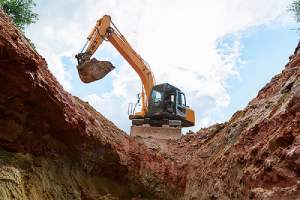
After laboratory testing establishes the target density, technicians verify compaction in the field. Several methods are available.
Nuclear Density Testing
The most common modern method uses a nuclear density gauge to quickly measure soil density and moisture content. This topic will be covered in greater detail in our companion article, “What Is a Nuclear Density Test?”
Sand Cone Testing
This traditional method measures soil density by determining the volume of soil removed from a test hole using calibrated sand. Although slower than nuclear testing, it remains an accepted testing method on many projects.
Other Testing Methods
Depending on project requirements, technicians may also use drive cylinder tests or balloon density methods to verify compaction.
Each method has advantages depending on soil type and project conditions.
Understanding Percent Compaction
Compaction results are usually reported as a percentage of the laboratory maximum dry density.
For example:
- 95% Compaction
- 98% Compaction
- 100% Compaction
The required percentage depends on the project specifications. Many building pads require at least 95 percent compaction, while highways, airports, and heavy industrial projects often require higher standards. Understanding these percentages helps contractors, engineers, and inspectors determine whether construction can proceed.
______________________________________________________________________________________________________________________________________
Common Factors That Affect Test Results
Several factors influence the results of a compaction test. Understanding these variables helps contractors achieve the required density while avoiding unnecessary delays or failed inspections.
Moisture Content
Moisture is one of the most important factors affecting soil compaction. Soil that is too dry may resist compaction because the particles cannot move together efficiently. Soil that is too wet may become unstable, making it difficult to achieve the required density. This is why engineers establish an optimum moisture content during laboratory testing before field work begins.
Soil Type
Different soils compact differently.
For example:
- Well-graded granular soils generally compact more easily.
- Clay soils often require careful moisture control.
- Silty soils can lose strength when saturated.
- Organic soils are generally unsuitable for structural support.
Selecting the proper compaction equipment and procedures depends largely on the type of soil present.
Lift Thickness
Compacting excessively thick lifts often results in poor density beneath the surface. For this reason, engineered fill is typically placed in controlled lifts before each layer is compacted and tested.
Compaction Equipment
Different equipment produces different results.
Common equipment includes:
- Smooth drum rollers
- Vibratory rollers
- Sheepsfoot rollers
- Pneumatic rollers
- Plate compactors
- Jumping jack compactors
Selecting the proper equipment for the soil conditions improves compaction efficiency and overall project quality.
Common Mistakes and Best Practices

Compaction testing is most effective when proper construction practices are followed throughout the project.
Some common mistakes include:
Ignoring Moisture Conditions
Attempting to compact overly wet or overly dry soil often produces poor results regardless of how many passes are made with the equipment.
Skipping Testing
Visual appearance alone cannot verify proper compaction. Field testing provides measurable data that confirms compliance with project specifications.
Placing Excessively Thick Lifts
Even powerful compaction equipment cannot properly compact material if lifts are too thick. Following engineering recommendations helps achieve consistent density throughout the entire fill section.
Failing to Correct Failed Tests
When testing identifies areas that do not meet specifications, additional compaction, moisture adjustment, stabilization, or soil replacement may be necessary before construction continues. Addressing problems immediately helps prevent future structural issues.
Real-World Applications
Compaction testing is performed on a wide variety of construction projects.
Common applications include:
- Residential subdivisions
- Commercial developments
- Industrial facilities
- Warehouses
- Highways
- Airport runways
- Parking lots
- Bridge approaches
- Utility trenches
- Retaining walls
- Site grading projects
- Land development
Regardless of the project size, compaction testing helps verify that the completed work meets engineering requirements before additional construction proceeds.
Contractor Tip
Experienced contractors understand an important principle:
Compaction equipment creates density. Compaction testing proves the density was actually achieved.
I’ve seen projects where the soil looked excellent on the surface, yet field testing revealed soft areas beneath that could have caused settlement months or years later. Identifying those weak spots before concrete is poured or pavement is installed can save thousands of dollars in future repairs.
Compaction testing isn’t simply another inspection—it provides confidence that the foundation below the finished project is ready to perform as intended.
Frequently Asked Questions

What is a compaction test?
A compaction test measures the density of compacted soil to verify that it meets the engineering requirements for a construction project.
Why is a compaction test important?
Compaction testing helps reduce settlement, improve structural support, increase pavement life, and verify that soil has been compacted to the required specifications.
What is the difference between a compaction test and soil compaction?
Soil compaction is the process of increasing soil density using construction equipment. A compaction test is the engineering procedure used to verify that the required density has actually been achieved.
What is the difference between a compaction test and a nuclear density test?
A compaction test is the overall process of verifying soil density. A nuclear density test is one of the most common field methods used to perform that verification.
Who performs compaction testing?
Compaction testing is typically performed by qualified geotechnical technicians, testing laboratories, or engineering firms following project specifications.
Final Thoughts
Compaction testing is one of the most important quality control procedures in construction because it confirms that the soil beneath a project has been prepared to support the planned structure.
Whether building a home, commercial facility, roadway, parking lot, or industrial development, verifying soil density helps reduce settlement, improve long-term performance, and minimize costly repairs.
Although compaction itself is essential, testing provides the engineering confirmation that the work meets project specifications. By combining proper site preparation, moisture control, lift compaction, and field testing, construction professionals can build with greater confidence and improve the long-term success of every project.
Dirt Connections Network (DCN)
Successful construction projects depend on communication as much as proper site preparation. Dirt Connections Network (DCN) is a private construction marketplace where contractors, developers, suppliers, trucking companies, engineers, estimators, and other construction professionals connect directly to share project opportunities, material availability, material needs, trucking opportunities, and industry relationships. DCN does not broker projects, arrange hauling, control pricing, or act as a middleman. It simply helps construction professionals build valuable industry connections.
Dirt Connections Public Listings (DCPL)

Finding suitable construction materials is an important part of many earthwork projects. Dirt Connections Public Listings (DCPL) is a public searchable platform where homeowners, contractors, developers, suppliers, truckers, engineers, and construction professionals can post and discover fill dirt, structural fill, topsoil, aggregates, available materials, and material needs throughout the United States.
Educational Disclaimer
This article is provided for general educational purposes only. Compaction testing requirements vary depending on soil conditions, project specifications, engineering recommendations, applicable testing standards, and local building regulations. Always consult the project engineer, geotechnical report, testing laboratory, and applicable building requirements before determining the appropriate testing procedures for any construction project.
Summary

Dirt Connections was started with one goal in mind: providing quality residential and commercial construction services to clients on time and on budget. Reach out for more information on how we can support your next project.
For your convenience our estimates are free and by appointment. Call 703-940-9949 for a free estimate today!