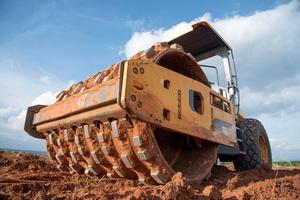
 Lift compaction is one of the most important construction practices for creating stable foundations. Whether building a home, commercial building, roadway, parking lot, retaining wall, or data center, properly compacting soil in layers helps reduce settlement, improve load-bearing capacity, and extend the life of the finished project.
However, many property owners are unfamiliar with the term “lift compaction.” While the process happens below the surface, it plays a major role in determining whether a structure remains stable for decades or develops costly problems over time.
Understanding how lift compaction works helps homeowners, contractors, developers, engineers, and construction professionals appreciate why proper soil preparation is one of the most critical steps on any project.
Quick Summary
Lift compaction is the process of placing soil or aggregate in thin layers, called lifts, and compacting each layer before adding the next.
Proper lift compaction helps:
- Increase soil density
- Improve load-bearing capacity
- Reduce future settlement
- Improve long-term stability
- Support foundations, roads, and retaining walls
- Meet engineering and building requirements
Without proper lift compaction, even high-quality fill material may fail to provide adequate long-term support.
Understanding the Basics
Lift compaction is the process of placing construction material in controlled layers rather than placing large amounts of soil all at once. Each layer—or lift—is compacted individually using specialized equipment before the next layer is added.
The thickness of each lift depends on several factors, including:
- Soil type
- Moisture content
- Compaction equipment
- Project specifications
- Engineering requirements
By compacting one lift at a time, contractors create a dense, uniform foundation that can safely support the loads placed upon it.
Why Lift Compaction Matters
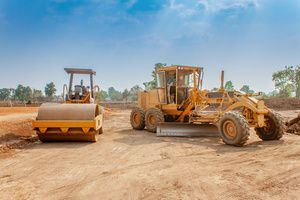
Every structure transfers weight into the ground. If the soil beneath a structure contains loose or poorly compacted areas, it may settle unevenly after construction is complete. Over time, that movement can lead to cracked foundations, uneven floors, pavement failures, damaged utilities, and costly repairs.
Proper lift compaction helps minimize these risks by creating consistent density throughout the entire fill area. Instead of relying on luck, contractors build the foundation one layer at a time, verifying that each lift is properly compacted before continuing.
How Lift Compaction Works
Although every project is different, the process generally follows the same sequence.
- Prepare the existing ground.
- Place a controlled layer of approved material.
- Adjust the moisture content if necessary.
- Compact the lift using the appropriate equipment.
- Test compaction when required.
- Repeat the process until the desired elevation is reached.
This systematic approach produces a much stronger foundation than placing several feet of material at one time.
Common Lift Thickness
One of the biggest misconceptions is that contractors can simply dump several feet of soil and compact the entire depth. In reality, compaction equipment only affects a limited depth during each pass.
For that reason, engineers typically specify maximum lift thicknesses based on:
- Material type
- Compaction equipment
- Project requirements
- Required density
- Manufacturer recommendations
Many projects use lifts ranging from approximately 6 to 12 inches before compaction, although engineering specifications always control the final requirements.
Equipment Used for Lift Compaction
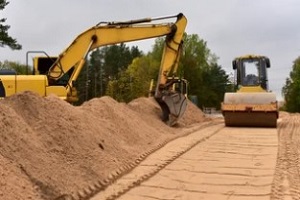
Different materials require different types of compaction equipment.
Common equipment includes:
- Vibratory rollers
- Smooth drum rollers
- Sheepsfoot rollers
- Pneumatic tire rollers
- Plate compactors
- Jumping jack rammers
- Hand tampers for confined areas
Selecting the proper equipment is just as important as selecting the proper material.
Factors That Affect Successful Compaction
Several conditions influence whether a lift can be compacted successfully.
These include:
- Soil classification
- Moisture content
- Lift thickness
- Type of compaction equipment
- Number of roller passes
- Weather conditions
- Engineering specifications
- Operator experience
Even small changes in moisture or lift thickness can significantly affect the final results.
Real-World Contractor Observation
One of the most common mistakes on smaller projects is trying to save time by placing too much material before compacting it. Although the surface may appear firm, the lower portion of the lift may remain loose. Once construction is complete, that hidden weakness can contribute to settlement and structural problems. Experienced contractors understand that taking the time to compact each lift properly usually saves far more time and money than repairing failures after construction is complete.
Common Applications of Lift Compaction
Lift compaction is used on projects of every size because stable soil is essential for long-term performance.
Common applications include:
- Residential home foundations
- Commercial building pads
- Warehouses
- Data centers
- Highways and roadways
- Parking lots
- Airport construction
- Bridge approaches
- Utility trench backfill
- Retaining walls
- Industrial facilities
- Land development projects
Wherever engineered fill is required to support future loads, lift compaction is often part of the construction process.
Common Mistakes During Lift Compaction
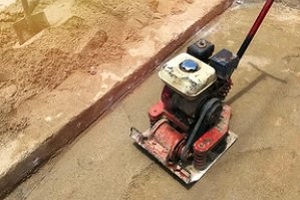
Even quality material can fail if proper procedures are not followed.
Placing Lifts That Are Too Thick
One of the most common mistakes is placing excessive material before compacting it. Although the surface may appear stable, deeper portions of the lift may remain loose because compaction equipment cannot effectively reach the entire depth.
Ignoring Moisture Content
Moisture plays a critical role in successful compaction. Material that is too wet or too dry may not achieve the required density, even after multiple roller passes.
Using the Wrong Equipment
Not every roller performs equally well on every soil type. For example, granular materials often respond well to vibratory rollers, while cohesive soils frequently require sheepsfoot rollers or other specialized equipment.
Skipping Density Testing
Many commercial and public projects require field density testing to verify that each lift meets the engineer’s specifications before additional material can be placed. Skipping testing increases the risk of hidden problems that may not appear until years after construction.
Contractor Tip
Successful lift compaction is about consistency—not speed. Experienced contractors know that placing thinner lifts, maintaining proper moisture, and using the correct equipment almost always produces better long-term results than trying to complete the work as quickly as possible. A properly compacted foundation is rarely noticed after construction is complete, but poor compaction often becomes obvious through settlement, cracking, and expensive repairs.
Frequently Asked Questions

What is lift compaction?
Lift compaction is the process of placing soil or aggregate in controlled layers and compacting each layer before adding the next. This method creates a stronger, more stable foundation than placing large amounts of material all at once.
Why are soils compacted in lifts?
Compacting material in lifts allows the equipment to achieve uniform density throughout the fill. If layers are too thick, the lower portions may remain loose and settle later.
How thick should a lift be?
Lift thickness depends on the material, moisture content, compaction equipment, and engineering specifications. Many projects use lifts of approximately 6 to 12 inches before compaction, although project requirements always govern.
Does every project require lift compaction?
Most construction projects involving imported fill or engineered soil benefit from lift compaction. Larger commercial, municipal, and government projects often require engineered specifications and field testing.
Is lift compaction tested?
Yes. Many commercial projects require field density testing throughout construction to verify that each lift meets the required compaction standards.
Final Thoughts
Lift compaction is one of the most important construction practices for creating stable, long-lasting foundations. Although it takes place below the finished surface, the quality of each compacted lift directly affects the performance of buildings, roads, retaining walls, parking lots, and other infrastructure.
Understanding how lift compaction works helps homeowners, contractors, developers, engineers, and construction professionals appreciate why proper soil preparation should never be rushed. Ultimately, building a project one properly compacted lift at a time helps reduce settlement, improve structural performance, and extend the life of the finished construction.
Dirt Connections Match (DCM)

Successful construction projects depend on experienced contractors, reliable suppliers, qualified truckers, and strong industry relationships. Additionally, Dirt Connections Match (DCM) is a private construction marketplace where contractors, developers, suppliers, truckers, and construction professionals connect directly to share project opportunities, material needs, trucking requests, and business relationships throughout the United States and beyond. There is no brokering, no hauling, no pricing control, and no middleman.
Dirt Connections Public Listings (DCPL)
Likewise, if you’re searching for approved fill materials or have material available for construction projects, Dirt Connections Public Listings (DCPL) is a public nationwide platform where homeowners, contractors, developers, suppliers, truckers, and construction professionals can post and discover material needs and available materials throughout the United States and beyond.
Disclaimer
This article is provided for general educational purposes only. However, lift compaction requirements vary by project, soil conditions, engineering specifications, material type, and local regulations. Therefore, always consult the project engineer, geotechnical report, and applicable building requirements before selecting, placing, or compacting fill materials on any construction project.
Summary

Dirt Connections was started with one goal in mind: providing quality residential and commercial construction services to clients on time and on budget. Reach out for more information on how we can support your next project.
For your convenience our estimates are free and by appointment. Call 703-940-9949 for a free estimate today!