Fill Dirt: When It Works and When You Should Avoid It

Fill dirt plays an important role in construction and grading projects. However, it is not the right solution for every situation. Many homeowners in Northern Virginia, Maryland, and DC order material without understanding its purpose. Therefore, knowing when to use fill dirt protects your budget and your property. This guide explains where structural soil works best and where other materials make more sense.
Understanding Fill Dirt and How It Differs from Topsoil
Fill dirt comes from below the topsoil layer. It contains little organic material. Because it lacks organic matter, it does not decompose or shift easily over time. Topsoil works differently. It contains nutrients and organic content that support plant growth. However, topsoil compresses and settles when placed under structures. Therefore, use structural soil for support. Use topsoil for planting areas. Mixing the two incorrectly creates long-term settling problems. Homeowners ordering bulk soil delivery in Northern Virginia should confirm which material they need before scheduling delivery.
When Structural Soil Is the Right Solution
Certain projects require stable, compactable material.
Use this material when:
- Raising low areas for drainage correction
- Leveling building pads
- Preparing driveway subgrades
- Supporting retaining wall systems
- Improving slope around foundations
For example, if your yard holds water after storms, regrading with compacted subsoil can restore proper runoff.
In these situations, stability matters more than nutrients. That is when structural backfill performs best.
When This Material Should Be Avoided
Some projects require nutrient-rich soil instead.
Avoid structural backfill when:
- Creating garden beds
- Planting lawns without adding topsoil
- Building raised planting areas
- Correcting poor drainage without slope design
Because this material lacks nutrients, plants will struggle without added topsoil.
In addition, installing compacted soil without proper grading may trap water instead of moving it away. Always plan drainage before adding elevation.
Why Proper Compaction Matters

Installation determines long-term performance. Contractors must install soil in thin layers and compact each layer thoroughly. This process removes air pockets and increases load-bearing strength. However, placing thick lifts without compaction leads to future settling. Settling causes driveway cracks and uneven grading. Professional grading services in Northern Virginia use layered compaction to prevent movement. Without proper installation, even quality material can fail.
Clean Material vs. Unscreened Material
Quality varies by source. Clean structural soil is screened and free of debris. Unscreened loads may contain roots, concrete fragments, or trash. Contaminated material affects compaction and drainage. Therefore, always confirm that your supplier provides clean material suitable for grading. Homeowners requesting bulk delivery in Maryland benefit from working with reputable suppliers who understand structural applications.
How Soil Selection Impacts Drainage
Material choice affects water flow. Dense clay-heavy soil slows infiltration. If slope design is poor, water may pool near foundations. Therefore, grading and drainage planning must work together. Contractors often combine compacted subsoil with drainage systems such as French drains or swales. Homeowners correcting yard drainage problems in Fairfax County often need both slope correction and proper material selection. Water management should always guide your decision.
How to Calculate the Right Amount

Accurate measurement prevents delays and overspending. First, measure length, width, and required depth. Multiply those numbers to determine cubic feet. Then divide by 27 to convert to cubic yards. Most delivery services price by cubic yard or truckload. Ordering too little delays your project. Ordering too much increases cost unnecessarily. Professional volume estimates ensure the right quantity arrives on time.
Cost Considerations for Your Project
Structural backfill remains affordable compared to specialty soils. However, transportation distance and quantity influence total cost. Local delivery reduces hauling expense. Larger projects benefit from bulk pricing. Spending correctly on material and proper installation reduces long-term repair costs. In many cases, investing in correct grading now prevents expensive reconstruction later.
Questions to Ask Before Ordering
Before scheduling delivery, ask:
- Is the material clean and screened?
- How many cubic yards do I need?
- Will compaction be required?
- Does my project require topsoil above the base layer?
- Is drainage design included in the plan?
Clear answers prevent mistakes and protect your investment.
Conclusion: Making the Right Choice
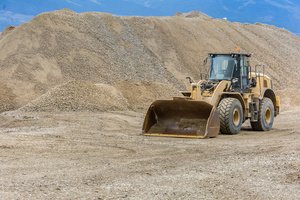
Fill dirt works well for structural support, elevation changes, and grading correction. However, it does not replace topsoil for planting areas. It also requires proper compaction and drainage planning to perform correctly.
When installed properly, structural soil strengthens foundations, driveways, and retaining walls. When misused, it creates settling and water issues.
If you need bulk soil delivery, grading services, or drainage correction in Northern Virginia, Maryland, or DC, Dirt Connections can help. Contact us before starting your project and ensure you choose the right material for the job.
Summary
Dirt Connections was started with one goal in mind: providing quality residential and commercial construction services to clients on time and on budget. Reach out for more information on how we can support your next project.
For your convenience our estimates are free and by appointment. Call 703-940-9949 for a free estimate today!