Winter Yard Prep: How Dirt Becomes Your Secret Weapon for a Thriving Spring Garden

As winter settles in and frost covers your lawn, don’t overlook what’s hiding beneath the surface—your soil. While many wait until spring to begin gardening, those in the know start early. Understanding how dirt helps with winter yard prep sets the stage for brighter blooms, stronger roots, and a more productive garden. Dirt, when properly cared for in winter, can help store nutrients, improve structure, and protect your yard from seasonal stress.
In this guide, we’ll walk you through simple, effective steps to prepare your soil for the cold months ahead. Learn how dirt becomes the foundation for spring gardening success and how to make the most of the winter season to build healthier, more vibrant outdoor spaces.
Understanding the Importance of Winter Yard Prep
Getting your yard ready in winter is a smart way to protect your soil and prepare for spring planting. Winter soil prep boosts health, improves structure, and protects against erosion and compaction.
Cold weather, snow, and freezing rain can harm unprotected soil. But with early attention, you can shield it and even enhance its quality. You’ll build a better base for flowers, vegetables, and lawn growth in just a few months.
Prepping in winter means fewer weeds, stronger roots, and less work when the growing season starts. Dirt that’s treated now will hold nutrients better, warm up faster in spring, and support plant growth more effectively.
The Role of Soil Health in Gardening Success

Healthy soil is the foundation of a thriving garden. It holds nutrients, supports roots, and helps your plants grow strong.
Good dirt is full of organic matter and tiny living things that feed your garden naturally. These microorganisms help break down compost, releasing nutrients your plants need. Winter is a great time to support that system by adding compost and letting nature do the work.
Balanced pH levels are also key. If your soil is too acidic or too alkaline, it limits nutrient uptake. Testing your pH and adjusting it with lime or sulfur helps create the right conditions for spring.
By focusing on soil health now, you’ll see stronger plants, fewer problems, and better results later.
Types of Soil and Their Impact on Plant Growth
Not all soil is the same. Your yard might have sandy, clay, or loamy soil—and each one needs a different approach.
Sandy soil drains fast and doesn’t hold nutrients well. Add compost or manure to help it retain moisture and feed your plants.
Clay soil is dense and holds water. It’s rich in nutrients but needs help with drainage. Adding compost and aerating it makes a big difference.
Loamy soil is ideal. It drains well and holds nutrients, but still benefits from compost in winter to maintain its balance.
Knowing your soil type lets you treat it the right way this winter for a better spring garden.
Testing Your Soil: Why and How to Do It
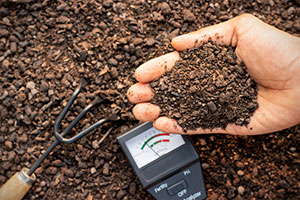
Testing your soil is easy and important. It shows what nutrients your dirt has—and what it needs.
Use a home test kit or send a sample to a local lab. Check for nitrogen, phosphorus, potassium, and pH levels. These results guide your winter prep.
To collect a sample, dig from several spots in your garden, mix the soil, and test from the top 6 inches. This gives a clear picture of what’s happening where your plants grow.
If your soil lacks nutrients or has a pH problem, fix it now with the right amendments. A little effort now leads to big results in spring.
Essential Winter Soil Amendments for a Thriving Spring Garden
Winter is the perfect time to feed your soil with natural amendments that break down slowly and improve structure.
Compost is one of the best tools. Spread a layer over your beds and let it sit through winter. It adds nutrients and supports microbes that help in spring.
Manure is another good option, but make sure it’s aged or composted. Fresh manure can burn plants. Spread it early in winter to let it break down.
Cover crops like clover and rye are also powerful. They prevent erosion, fight weeds, and feed your soil when turned under in spring.
These amendments improve drainage, add nutrients, and prepare your garden for growth.
Techniques for Improving Soil Structure During Winter

Strong soil structure helps roots grow deep and keeps moisture where it’s needed. You can improve it during the cold months with a few simple techniques.
Start by aerating compacted soil. Use a garden fork or aeration tool to loosen dense areas, especially in clay soil.
Add organic matter like leaves, compost, or mulch. This improves the soil texture and makes it easier for water and roots to move.
Leave the surface covered. Don’t leave bare dirt exposed—it loses nutrients and erodes. A covered surface stays in place and gets better over time.
These simple actions now lead to easier planting and stronger gardens come spring.
The Benefits of Mulching in Winter Prep
Mulch is one of the best ways to protect your soil during winter. It covers your garden beds and shields dirt from freezing winds, snow, and heavy rain.
Mulch helps hold in moisture and keeps soil temperatures steady. This protects roots and helps soil life survive through the cold.
Organic mulch like shredded leaves, straw, or wood chips also breaks down slowly. As it does, it adds nutrients back into your soil.
Apply 2 to 4 inches of mulch over your beds, leaving a little space around plant stems. This keeps your soil healthy and ready for planting.
Winter Cover Crops: Enhancing Soil Fertility

Cover crops are a smart, natural way to improve soil in winter. These fast-growing plants protect your soil and add nutrients as they grow.
Clover, rye, and winter wheat are common options. They fight erosion, reduce weeds, and keep soil structure intact.
Legumes like clover fix nitrogen in the soil, making it available for future crops. In early spring, you can till these crops into the soil to release those nutrients.
Cover crops also attract helpful insects and create better ground conditions for your spring planting.
If planted early in fall, they grow well through the colder months and deliver results when turned into the soil in spring.
Planning Your Spring Garden Layout with Soil in Mind
Winter is a great time to plan your garden layout for spring success. Use what you’ve learned from soil testing and prep to make smart decisions.
Group plants by their needs. Some like acidic soil, while others prefer neutral pH. Keep water-loving plants together in areas that stay moist.
Practice crop rotation. Don’t grow the same plant in the same spot year after year. Rotate your beds to reduce pests and keep nutrients balanced.
Think about how you’ll plant: raised beds, rows, or containers. Make sure each area fits your soil type and sunlight.
With your soil ready and your layout planned, you’ll be ahead of the game by spring.
Conclusion: Embracing Winter Prep for a Flourishing Garden

Winter yard prep isn’t just busy work—it’s the key to a strong, healthy garden. By improving your soil with compost, mulch, and cover crops, you set the stage for better growth, higher yields, and fewer problems.
Don’t wait until spring to think about your dirt. The work you do now protects your soil, enriches it, and saves you time when planting season begins.
With just a few winter steps, you can turn your dirt into a powerful growing tool that helps your garden flourish.
Friendly Overview
Learn how dirt helps with winter yard prep by improving soil health, boosting nutrients, and protecting your garden. Discover simple techniques like composting, mulching, aerating, and planting cover crops to get your yard ready for a strong, healthy spring garden.
Let’s Get Started Now!

Order Now: https://checkout.dirtconnections.com/order
Learn More: https://www.dirtconnections.com/residential-services/fairfax-va-dirt-grading-and-site-work/
Call Now: 703-940-9949
Serving: Fairfax, Alexandria, Arlington, Rockville & surrounding areas
Summary

Dirt Connections was started with one goal in mind: providing quality residential and commercial construction services to clients on time and on budget. Reach out for more information on how we can support your next project.
For your convenience our estimates are free and by appointment. Call 703-940-9949 for a free estimate today!