Ultimate Guide: How Much Fill Dirt Do You Need? Use This Handy Calculator Before You Order!

Are you gearing up for a construction or landscaping project and wondering how much fill dirt you need? You’re not alone. Calculating the right amount is critical—order too little, and your project stalls. Order too much, and you waste money. That’s why using a fill dirt calculator is a game-changer. How Much Fill Dirt Do You Need? Use This Calculator Before Ordering!
This guide walks you through everything you need to know: what fill dirt is, why it matters, how to measure accurately, and how to avoid common mistakes. Whether you’re a DIY homeowner or a contractor on a deadline, these insights will help you order smart and finish strong.
Understanding Fill Dirt: What It Is and Why You Need It
Fill dirt is subsoil—usually a mix of clay, sand, and broken-down rock—taken from beneath the nutrient-rich topsoil layer. Unlike topsoil, it doesn’t contain organic matter. That makes it less likely to shift or settle, which is why it’s perfect for structural purposes.
Homeowners use it to fill in low spots, fix drainage, and reshape uneven yards. Contractors rely on it to prepare foundations, backfill pools, and grade sites. Without the right volume of fill dirt, projects risk uneven ground, water problems, and unstable surfaces. How Much Fill Dirt Do You Need? Use This Calculator Before Ordering!
Key Factors That Influence Fill Dirt Requirements
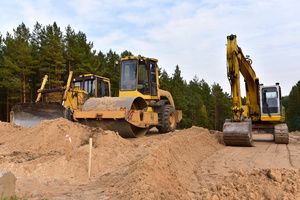 The amount of fill dirt you’ll need depends on three main factors:
- Project size: Larger areas naturally require more material.
- Project purpose: A new foundation demands tightly compacted dirt, while landscaping may require less depth.
- Soil compaction: Dirt shrinks when compacted, so you’ll need 25–30% more than the raw measurement.
Knowing these factors up front prevents shortages, wasted loads, and extra delivery costs.
How to Measure Your Project Area
Accurate measurements save money. Here’s the simple process:
- Measure length and width with a tape measure or wheel for larger areas. For irregular shapes, break them into smaller sections and measure each.
- Measure depth. Use stakes and string lines to see how deep the low spots or fill area will be. If depth varies, average your measurements.
- Calculate volume. Multiply length × width × depth (in feet). Divide by 27 to convert cubic feet into cubic yards, the standard unit for fill dirt.
Example: A 20′ × 10′ area with an average depth of 1′ = 200 cubic feet ÷ 27 = about 7.4 cubic yards.
The Importance of Soil Compaction
 Here’s where many miscalculate: dirt settles. When compacted, air gaps close, reducing volume.
That’s why most professionals add a compaction factor of 1.25–1.30. So if your project requires 10 cubic yards, order 12.5–13 to finish correctly. Without this adjustment, you risk low spots reappearing later.
Using the Fill Dirt Calculator: Step by Step
Our fill dirt calculator simplifies the math:
- Input the length and width of your project area.
- Enter the depth needed (use an average if the ground varies).
- The calculator instantly gives you the volume in cubic yards.
- Add 25–30% for compaction to know the true amount to order.
This quick tool removes guesswork and ensures your project stays on budget.
Common Mistakes to Avoid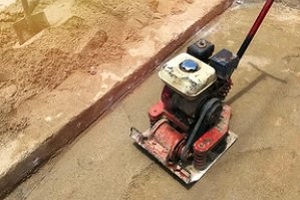
- Underestimating volume. Skipping compaction in your calculation leads to shortages.
- Choosing the wrong dirt type. Clay fill vs sandy fill makes a big difference in drainage and stability.
- Ignoring delivery logistics. Limited access, truck size, and drop location can add hidden costs.
Order smart by double-checking these details before you pay.
Types of Fill Dirt for Different Projects
- Clay Fill Dirt: Dense, strong, and ideal for foundations or retaining walls.
- Sandy Fill Dirt: Great for drainage and easier to spread, perfect for landscaping.
- Rocky Fill Dirt: Adds stability for driveways and pathways but harder to level smoothly.
- Blended Fill Dirt: Sometimes mixed with organic matter, useful for top layers in landscaping.
Choose based on your project’s drainage and compaction needs.
Cost Considerations: Budgeting for Fill Dirt
 Fill dirt typically runs $5–$15 per cubic yard, depending on type and quality. Don’t forget:
- Delivery fees: Based on distance, truck size, and site access.
- Equipment rental: Rollers, compactors, or loaders may be needed.
- Labor costs: Hiring professionals can add but ensures faster, reliable results.
Bulk orders often reduce cost per yard, so order once and order right.
Tips for Finding Reliable Fill Dirt Suppliers
- Check reviews and references—look for consistent reliability.
- Inspect material or request samples—avoid debris or contamination.
- Ask about testing and certification—especially if compaction or soil health matters.
- Confirm delivery details—truck size, scheduling, and unloading method.
A reliable supplier saves more than money—they save headaches.
Why Ordering the Right Amount of Fill Dirt Saves Time and Money
 Ordering too much fill dirt can leave you with wasted material, disposal hassles, and unnecessary costs. On the other hand, ordering too little often means delays and extra delivery fees. By calculating accurately before you buy, you’ll keep your project on budget and on schedule. A precise order ensures every load counts, with no waste and no stress. How Much Fill Dirt Do You Need? Use This Calculator Before Ordering!
How Delivery Costs Change Based on Volume
Delivery charges are often tied to truck size, distance, and number of loads. Ordering the correct volume helps reduce extra trips and keeps your project efficient. For example, one large load is usually cheaper than multiple smaller ones. Planning carefully with a calculator lets you anticipate delivery costs upfront, avoiding surprises once the dirt arrives.
Do You Need Fill Dirt or Topsoil? Key Differences Explained
Fill dirt is best for building up ground, leveling yards, or supporting structures because it compacts tightly. Topsoil, on the other hand, is nutrient-rich and designed for growing plants. Many projects actually require both—fill dirt for stability, then topsoil for healthy grass or gardens. Knowing which material you need ensures your project succeeds both structurally and visually. How Much Fill Dirt Do You Need? Use This Calculator Before Ordering!
How Weather and Season Affect Fill Dirt Needs

Soil settles differently depending on the season. In spring, fill dirt can settle faster due to natural moisture, while in summer or fall you may need to water and compact it more. Cold winter months may limit work if the ground is frozen. Factoring in seasonal conditions helps you order the right amount and compact it correctly.
DIY vs. Professional Help: Who Should Calculate Your Fill Dirt?
If your project is small—like filling a few low spots or raising a garden bed—you can easily calculate and order fill dirt on your own. For larger projects, such as foundations or pool backfills, it’s often best to involve a professional who can measure, compact, and calculate with precision. Choosing the right approach saves money and prevents costly mistakes.
Fill Dirt Calculator FAQs: Common Questions Answered
Many homeowners ask: “Do I need to order extra dirt for settling?” or “How do I measure odd-shaped areas?” The general rule is to add 25–30% extra to account for compaction. For irregular shapes, break them into smaller rectangles or circles and measure each one. Simple adjustments like these make the calculator more accurate for real-world projects.
Real-World Example: Calculating Fill Dirt for a Yard Leveling Project
 Imagine a yard with a 20×30 foot low spot averaging 1 foot deep. Multiply length × width × depth, and you get 600 cubic feet. Divide by 27 to convert to cubic yards, and the result is about 22 cubic yards. Add 25% for compaction, and you should order 27–28 cubic yards of fill dirt. This step-by-step process takes out the guesswork.
Tips to Avoid Over-Ordering or Running Short on Fill Dirt
Always measure carefully, double-check calculations, and use a fill dirt calculator before placing your order. For smaller projects, round up slightly to cover compaction. For large projects, consult a professional for verification. Avoid guessing or “eyeballing” volume—this is where costly mistakes happen. A few extra minutes planning will save you both money and frustration.
Conclusion: Plan Smart, Build Strong
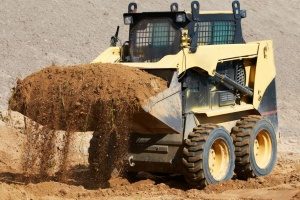 The right amount of fill dirt is the backbone of a successful project. By measuring carefully, using a fill dirt calculator, and accounting for compaction, you can order with confidence. Avoid the common pitfalls, choose the right dirt type, and work with a trusted supplier.
With smart planning, your project—whether it’s a yard makeover or a new build—will stand solid and look sharp for years to come.
Summary

Dirt Connections was started with one goal in mind: providing quality residential and commercial construction services to clients on time and on budget. Reach out for more information on how we can support your next project.
For your convenience our estimates are free and by appointment. Call 703-940-9949 for a free estimate today!