Top Tips for Retaining Wall Repair Near You: Get Expert Help
Discover essential tips for retaining wall repair near you that help keep your property safe and attractive. If your wall shows damage, expert help can prevent costly failure. Homeowners across Northern Virginia, Maryland, and DC often face retaining wall problems caused by drainage, soil pressure, or poor installation. Understanding what to look for helps you act before repairs become replacements.
Understanding Retaining Walls: Purpose and Importance
Retaining walls support soil and prevent erosion on sloped properties. They create level areas for yards, driveways, and gardens. Without a proper retaining wall, soil can shift and damage nearby structures. Retaining walls also improve curb appeal. Homeowners often use concrete block, stone, or timber walls to enhance outdoor spaces. A properly built wall adds structure and long-term value. In addition, retaining walls manage water runoff. Drainage systems behind the wall redirect water away from foundations. This protection matters in Northern Virginia and Maryland, where heavy rain is common.
Common Signs Your Retaining Wall Needs Repair
Cracks often signal early retaining wall failure. Small cracks may grow as pressure builds behind the wall. You should never ignore visible cracking. Leaning or bulging walls indicate serious pressure issues. Soil movement or poor drainage often causes this problem. A leaning wall can collapse without warning. Water pooling behind the wall also signals trouble. Poor drainage increases pressure and weakens the structure. If you notice soggy soil or erosion, schedule a retaining wall inspection soon.
Factors to Consider Before Repairing a Retaining Wall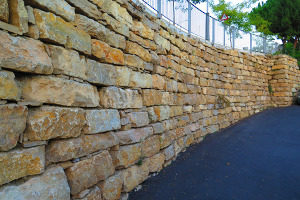
First, assess the damage carefully. Minor issues may allow simple repairs. Major movement often requires rebuilding sections. Next, consider the wall material. Concrete block retaining wall repair differs from timber or stone repair. Each material needs specific techniques. Also, identify the root cause. Drainage failure and soil pressure cause most retaining wall damage. Fixing surface issues without correcting drainage leads to repeat failure.
DIY vs. Professional Repair: Pros and Cons
DIY repairs may save money for minor cosmetic fixes. Small crack sealing or surface cleanup sometimes works. However, structural retaining wall repair requires experience. Incorrect repairs often worsen the problem. Many failed walls began as DIY projects. Professional retaining wall contractors understand soil behavior, drainage, and load pressure. Licensed professionals also follow local building codes in Virginia, Maryland, and DC.
How to Find Expert Help for Retaining Wall Repair
Start by searching for retaining wall repair near me with local results. Focus on contractors who list specific service areas. Next, review recent customer feedback. Look for experience with retaining wall repair, not general landscaping only. Finally, confirm licensing and insurance. Professional retaining wall contractors should meet local construction requirements and safety standards.
Questions to Ask Your Retaining Wall Repair Contractor
- Ask how many retaining wall repairs they complete each year. Experience matters with structural work.
- Ask what drainage solutions they include. Proper drainage prevents future wall failure.
- Request a written estimate and repair plan. Clear communication helps avoid surprises during construction.
Cost Considerations for Retaining Wall Repair
- Repair costs vary by damage level and wall material. Minor repairs cost less than structural rebuilds.
- Concrete block retaining wall repair often costs more due to materials and labor. Drainage upgrades also affect pricing.
- Avoid choosing contractors based only on price. Poor repairs often lead to higher long-term costs.
Maintenance Tips to Prolong the Life of Your Retaining Wall
- Inspect your retaining wall twice each year. Look for cracks, leaning, or erosion.
- Keep drainage paths clear. Remove debris from weep holes and drains.
- Avoid planting large trees near the wall. Roots increase pressure and damage structures over time.
Local Regulations and Permits
- Many wall repairs require permits. This applies especially to walls over specific heights.
- Local jurisdictions in Northern Virginia, Maryland, and DC enforce building codes. Permits protect homeowners from unsafe construction.
- Licensed contractors handle permitting and inspections for you.
Warning Signs and Safety Risks of a Failing Retaining Wall
Cracks, leaning, and bulging often signal retaining wall failure. These warning signs appear before a collapse occurs. Soil pressure and poor drainage usually cause these problems. A failing wall creates serious safety risks near homes, driveways, and walkways. Leaning walls may fall without warning. Homeowners in Northern Virginia should inspect walls after heavy rain. Early retaining wall repair near you reduces safety risks and repair costs.
Costs Homeowners Should Expect
Retaining wall repair costs vary based on damage and wall type. Minor repairs cost less than structural fixes. Concrete block retaining wall repair often costs more due to materials and labor. Getting a professional estimate helps homeowners plan correctly.
Why Poor Drainage Causes Damage
Poor drainage creates pressure behind retaining walls. Water buildup weakens the structure over time. Many retaining wall failures in Maryland and DC result from missing drainage systems. Proper drainage reduces long-term repair needs.
When Retaining Wall Repair Makes Sense
Repair works best when damage is limited and caught early. Small cracks and minor movement often qualify for repair. A professional inspection confirms the right approach. Early repairs help avoid full wall replacement.
When Wall Replacement Is the Better Option
Replacement becomes necessary when walls lean heavily or collapse. Walls built without proper base or drainage often fail again after repair. Licensed retaining wall contractors evaluate long-term stability. Replacement offers safer, lasting results.
FAQ
- How do I know if my wall needs repair or replacement?
Cracks, leaning, or bulging often signal damage. A professional inspection confirms whether repair or replacement makes sense. - How much does wall repair usually cost?
Costs vary based on wall type, damage, and drainage needs. A site review provides the most accurate estimate. - Do wall repairs require permits in my area?
Many repairs require permits in Northern Virginia, Maryland, and DC. Licensed contractors handle permitting and inspections.
Conclusion: Ensuring a Safe and Stable Retaining Wall
Retaining wall repair protects your property, safety, and investment. Early action prevents expensive replacement. If your wall shows cracking, leaning, or drainage failure, professional evaluation matters. Licensed contractors address root causes, not surface symptoms. If you need retaining wall repair near you, Dirt Connections provides experienced, licensed construction services across Northern Virginia, Maryland, and DC. Request a retaining wall repair quote today and protect your property with confidence.
Summary

Dirt Connections was started with one goal in mind: providing quality residential and commercial construction services to clients on time and on budget. Reach out for more information on how we can support your next project.
For your convenience our estimates are free and by appointment. Call 703-940-9949 for a free estimate today!