Why Mid-Summer Is the Best Time to Fix Grading Issues
Mid-summer offers the most stable window to correct slope and drainage problems. Soil conditions are predictable. Weather is consistent. Projects move faster. In Northern Virginia, Maryland, and Washington, DC, this timing reduces risk and improves long-term grading performance.
Grading problems do not fix themselves. They worsen over time. Addressing them in mid-summer protects foundations, driveways, and structural systems before fall rainfall increases pressure on weak soil.
Understanding Grading Problems Around Structures
Grading controls how water moves across your property. Proper slope directs runoff away from foundations and paved surfaces. Improper slope traps water near structures.
Common signs include:
- Standing water after storms
- Soil erosion along foundations
- Basement moisture or staining
- Sinking walkways or patios
- Retaining wall movement
These issues signal improper water movement. In the DC metro region, clay-heavy soils amplify these risks because they hold moisture longer.
The Cost of Delaying Grading Correction
Water damage compounds slowly. Small depressions turn into foundation stress. Minor erosion becomes soil displacement. Slight driveway settlement becomes structural cracking. Hydrostatic pressure builds when water remains near foundations. Over time, pressure creates movement. Movement creates cracking. Correcting grading in mid-summer prevents expensive structural repair later. The cost difference between grading correction and foundation reconstruction is significant.
Why Mid-Summer Soil Conditions Work Best
Mid-summer provides firm, workable soil. Spring soil is often saturated. Fall soil becomes unpredictable with heavy rainfall. Winter grading is limited by freeze conditions.
Dry, stable soil allows:
- Accurate slope formation
- Proper compaction
- Reliable structural fill installation
- Controlled drainage shaping
Compaction strength improves when moisture levels are controlled. This improves long-term stability under driveways and structural loads.
Mid-Summer Improves Drainage Accuracy
You can observe real drainage patterns during summer storms. This allows precise correction of runoff channels, low spots, and pooling zones. In Northern Virginia and Maryland, summer thunderstorms quickly expose grading weaknesses. Correcting these weaknesses before fall reduces foundation risk. Mid-summer also allows immediate inspection after work is complete. If water flows correctly, adjustments can be made before seasonal weather shifts.
Protecting Foundations Before Fall Rains
Fall and winter bring prolonged moisture exposure. If slope issues remain, water pressure increases against foundation walls and retaining systems. Correcting grade in July or August allows soil to settle properly before extended wet cycles begin.
This timing reduces:
- Basement water infiltration
- Crawl space moisture
- Retaining wall pressure buildup
- Pavement base weakening
Professional Grading vs DIY Attempts
Small surface adjustments may be manageable for experienced property owners. However, structural slope correction requires proper equipment and compaction control.
Professional grading contractors in Northern Virginia and Maryland provide:
- Laser-guided slope verification
- Structural fill placement
- Layered compaction
- Drainage integration planning
Improper grading often makes problems worse. Incorrect slope angles can increase erosion instead of stopping it.
Common Mistakes During Summer Grading
Avoid these errors:
- Over-compacting clay soil
- Ignoring downspout extensions
- Creating overly steep slopes
- Failing to stabilize exposed soil
- Not planning for drainage discharge points
Successful grading focuses on long-term water management, not just surface appearance.
Long-Term Benefits of Mid-Summer Grading
Correct grading improves structural stability and landscape durability.
Benefits include:
- Reduced hydrostatic pressure
- Stable driveway base support
- Improved soil cohesion
- Lower erosion risk
- Healthier lawn and plant growth
- Reduced foundation repair risk
Proper slope correction increases property value and reduces maintenance costs.
When to Schedule Grading Correction
Schedule grading work when:
- Soil feels firm but workable
- Pooling becomes visible after storms
- Minor foundation cracking appears
- Driveway edges begin to settle
- Retaining walls show slight movement
Early intervention prevents major reconstruction.
Why Mid-Summer Is the Best Time to Fix Grading Issues in Northern Virginia, Maryland, and DC
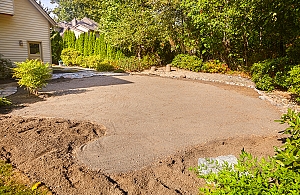
The DC metro region experiences heavy seasonal rainfall. Addressing grading issues before peak fall moisture reduces structural exposure.
Mid-summer provides:
- Predictable working conditions
- Faster project completion
- Reliable compaction results
- Immediate performance testing
- Reduced weather delays
This timing protects foundations, driveways, retaining walls, and landscape systems before seasonal moisture intensifies.
Key Takeaway
Why Mid-Summer Is the Best Time to Fix Grading Issues comes down to soil stability, weather predictability, and long-term structural protection. Correct slope and drainage now prevent foundation damage later.
If you need grading correction, structural fill installation, or drainage improvement in Northern Virginia, Maryland, or DC, contact Dirt Connections. Proper grading today protects your property tomorrow.
Summary

Dirt Connections was started with one goal in mind: providing quality residential and commercial construction services to clients on time and on budget. Reach out for more information on how we can support your next project.
For your convenience our estimates are free and by appointment. Call 703-940-9949 for a free estimate today!