Top Retaining Wall Issues to Watch for in Late Summer
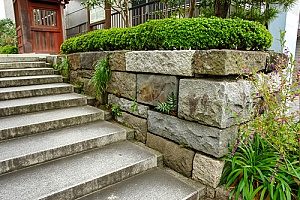
As summer wanes, retaining walls often show signs of stress. Heat, storms, and soil movement can weaken these structures. Therefore, homeowners should inspect retaining walls before fall rains begin. Many homeowners search how to repair retaining wall problems in Northern Virginia during late summer. Early inspections help prevent expensive structural repairs. Retaining walls protect your landscape and prevent soil movement. However, damage can grow quickly without proper maintenance. The following signs help you identify retaining wall problems before they worsen.
Understanding Retaining Walls: Purpose and Importance
Retaining walls hold soil in place and create level ground on sloped land. Many homeowners install retaining walls to support landscaping, driveways, and patios. Retaining walls also control water movement across your property. Without proper support, soil can shift and damage structures. Many homeowners search retaining wall construction in Northern Virginia when improving yard drainage. Proper retaining wall design protects foundations, landscaping, and nearby structures. Retaining walls also reduce soil erosion during heavy rain. This protection becomes especially important in Northern Virginia, Maryland, and Washington DC where seasonal storms occur. When installed correctly, retaining walls improve drainage and increase property usability.
Common Retaining Wall Materials and Their Durability

Retaining walls use several different construction materials. Each material offers different strength, durability, and appearance. Concrete block retaining walls remain one of the most common choices. Contractors often use interlocking concrete blocks because they install quickly and support heavy soil loads. Many homeowners search concrete block retaining wall installation Northern Virginia when planning landscaping upgrades. Natural stone retaining walls also remain popular. Granite, limestone, and sandstone create strong structures and natural visual appeal. However, stone retaining walls require skilled installation and proper drainage. Without correct drainage, soil pressure may damage the wall over time. Timber and brick retaining walls also appear in residential projects. However, these materials usually require more maintenance than concrete or stone.
Seasonal Changes: How Late Summer Affects Retaining Walls
Late summer often creates stress for retaining walls. High temperatures and heavy storms place pressure on soil and drainage systems. Many homeowners search retaining wall drainage problems Northern Virginia after summer storms damage landscaping. Heat can expand construction materials such as concrete and stone. When temperatures change, materials contract and create small cracks. In addition, summer storms may push water behind the wall. Poor drainage increases pressure on the structure. Over time, this pressure can cause bulging, leaning, or cracking. Therefore, homeowners should inspect retaining walls before fall rain increases soil moisture.
Signs of Wear and Tear in Retaining Walls

Regular inspections help homeowners detect retaining wall damage early. Several warning signs indicate potential structural problems. Cracks often appear first. Small cracks may seem harmless. However, widening cracks often signal soil pressure or drainage problems. Bulging walls also indicate trouble. Soil pressure behind the wall may push sections forward. Many homeowners search retaining wall bulging repair Northern Virginia when they notice wall movement. Leaning walls also require attention. Even small shifts can lead to structural failure if ignored. Water stains or white powder deposits may also appear on the wall surface. These signs often indicate poor drainage behind the wall.
Soil Erosion and Its Impact on Retaining Wall Stability
Soil erosion can weaken retaining walls over time. Heavy rain may wash soil away from behind or below the structure. Many homeowners search how to prevent soil erosion behind retaining walls in Northern Virginia. Poor drainage often causes erosion. Water that remains trapped behind the wall softens soil and creates empty spaces. As soil moves, the wall loses support and begins to shift. Plants can help stabilize soil if chosen correctly. Deep-rooted vegetation helps hold soil in place. However, construction activity and landscaping changes can also disturb soil stability. Therefore, homeowners should inspect the surrounding soil regularly.
Water Drainage Issues: The Role of Proper Drainage Systems

Proper drainage protects retaining walls from structural damage. Without drainage, water builds pressure behind the wall. Many homeowners search retaining wall drainage solutions Northern Virginia after noticing water buildup. Weep holes often allow water to escape through the wall. These small openings reduce water pressure. French drains also help manage drainage. These gravel trenches move water away from the retaining wall. Proper grading also protects retaining walls. The ground should slope away from the wall so water drains safely. Without these systems, water pressure may damage the wall structure.
Vegetation and Root Intrusion: Risks to Your Retaining Wall
Plants improve the appearance of retaining walls. However, roots can damage the structure over time. Tree roots may push against the wall and shift soil. As roots grow, they create pressure that weakens the wall. Many homeowners search how tree roots damage retaining walls in Northern Virginia. Aggressive vines can also create problems. These plants attach to wall surfaces and grow into small cracks. Therefore, homeowners should control vegetation near retaining walls. Plant smaller shrubs instead of large trees near the structure. In addition, root barriers can help protect the wall during construction.
Maintenance Tips for Retaining Walls in Late Summer
Regular maintenance helps extend the life of retaining walls. Homeowners should inspect their walls several times each year. First, examine the wall surface for cracks, bulging, or movement. Early repairs often prevent larger structural problems. Next, check drainage areas behind the wall. Remove debris from weep holes and drainage pipes. Many homeowners search retaining wall maintenance tips Northern Virginia before fall storms begin. Trim nearby plants and trees. This prevents roots from damaging the wall. Finally, check the soil around the wall. Ensure water drains away from the structure instead of collecting behind it.
When to Call a Professional for Retaining Wall Repairs

Some retaining wall problems require professional inspection and repair. Large cracks or leaning walls often indicate serious structural issues. Many homeowners search retaining wall repair contractors in Northern Virginia when structural damage appears. Professional contractors can inspect drainage systems, soil pressure, and structural support. Water damage may also require professional solutions. Mold growth, efflorescence, and water stains often indicate drainage problems. Soil erosion may also require professional reinforcement or rebuilding. Early professional inspection often prevents complete retaining wall failure.
Conclusion: Protecting Your Retaining Wall Before Fall Rains
Late summer is the best time to inspect retaining walls. Heat, rain, and soil pressure can create structural problems. Homeowners should watch for cracks, leaning walls, drainage problems, and soil erosion. Early repairs prevent expensive damage later. Many homeowners search retaining wall repair and drainage solutions in Northern Virginia before fall storms arrive. Dirt Connections provides fill dirt delivery, grading services, and construction support across Northern Virginia, Maryland, and Washington DC. If you notice retaining wall problems, our team can help evaluate the issue and provide solutions. Contact Dirt Connections today to schedule a site review, order fill dirt, or discuss grading and retaining wall repair services.
Summary

Dirt Connections was started with one goal in mind: providing quality residential and commercial construction services to clients on time and on budget. Reach out for more information on how we can support your next project.
For your convenience our estimates are free and by appointment. Call 703-940-9949 for a free estimate today!