Retaining wall issues you should fix before freezing weather can turn into major problems fast. Many property owners ignore small cracks or drainage issues. Then winter hits. Water freezes, expands, and causes serious damage. In Northern Virginia, Maryland, and Washington DC, freeze-thaw cycles are common. These conditions put pressure on retaining walls. If you fix problems early, you avoid costly repairs later. This guide explains what to look for and what to fix before cold weather sets in.
Understanding Retaining Walls and Their Importance

Retaining walls hold soil in place. They create level areas and prevent erosion. They also manage water. A properly built wall directs water away from structures. Without a strong retaining wall, soil can shift. This can damage driveways, patios, and foundations. In sloped yards, retaining walls are critical. They support the land and protect your property. When these walls fail, the damage can spread quickly.
Common Retaining Wall Issues to Watch For
Several problems show up before winter. Water buildup behind the wall is the most common issue. This creates pressure that pushes the wall outward. Cracks in the wall are another warning sign. Even small cracks can grow over time. Leaning or bulging sections indicate movement. This often means the wall is under stress. Poor drainage also causes problems. If water cannot escape, pressure builds up behind the wall. In Northern Virginia and Maryland, fall rain makes these issues worse.
Signs of Damage: How to Identify Problems Early

You can spot problems if you know what to look for. Check for cracks along the surface. Look closely at joints between blocks or stones. Watch for sections that lean forward. This is a sign the wall is shifting. Look for water stains or white residue. This shows water is moving through the wall. Check the ground around the wall. Soft or sunken areas may indicate drainage problems. Catching these signs early helps you fix issues before winter damage begins.
The Impact of Freezing Weather on Retaining Walls
Cold weather increases pressure on retaining walls. Water enters cracks and gaps. When it freezes, it expands. This widens cracks and weakens the structure. This process repeats during freeze-thaw cycles. Each cycle causes more damage. Frost heave is another issue. Frozen soil expands and pushes against the wall. This can cause the wall to shift, lean, or crack. Snow and ice also add weight. This increases pressure on already weak areas. If problems are not fixed in the fall, winter will make them worse.
Essential Repairs to Address Before Winter

Fix key issues before temperatures drop. Seal cracks early. Small cracks are easier to repair before they grow. Improve drainage behind the wall. This is critical. Water must move away from the structure. Clear blocked weep holes. These allow water to escape. Regrade the area above the wall if needed. This helps direct water away. Replace damaged blocks or sections. Do not wait until winter. These repairs help your retaining wall handle freezing conditions.
Preventative Maintenance Tips for Retaining Walls
Simple maintenance can prevent major damage. Inspect your wall in early fall. Look for cracks, movement, or drainage issues. Keep water away from the top of the wall. Avoid placing mulch or soil against it. Control vegetation. Roots can push into the wall and create weak spots. Maintain proper drainage at all times. Water is the main cause of failure. Regular maintenance keeps your retaining wall strong through winter.
Choosing the Right Materials for Repairs
Using the right materials matters. For small repairs, use quality sealants or mortar designed for outdoor use. For larger repairs, use materials that match the existing wall. This ensures stability and appearance. Drainage stone is important behind the wall. It helps water move freely. Geogrid or reinforcement may be needed for larger walls. This adds strength and support. Using proper materials helps repairs last longer.
Hiring Professionals vs. DIY Repairs

Some repairs can be done on your own. Cleaning drainage areas and sealing small cracks are manageable tasks. However, larger issues require experience. Leaning walls, major cracks, or drainage failures should be handled by professionals. A grading contractor can correct the slope and improve drainage. In Northern Virginia, Maryland, and DC, professional help ensures the job is done right. This avoids bigger problems later.
Cost Considerations for Retaining Wall Repairs
Costs depend on the severity of the problem. Small repairs are affordable. These include sealing cracks or improving drainage. Larger repairs cost more. Reinforcing or rebuilding sections requires equipment and labor. However, waiting increases costs. A small issue today can become a full wall failure after winter. Investing early saves money over time.
Additional Risk: Drainage and Soil Pressure

Drainage is the most important factor for retaining walls. When water builds up behind the wall, pressure increases fast. This pressure is called hydrostatic pressure. It pushes the wall outward. In fall, rain increases this risk. In winter, freezing water makes it worse. Soil also becomes heavier when wet. This adds more force against the wall. Fixing drainage before winter reduces this pressure and protects the structure.
Call Us Today
If your retaining wall shows signs of damage, do not wait. Dirt Connections helps homeowners and contractors with grading, drainage correction, and retaining wall support across Northern Virginia, Maryland, and Washington DC. We help you fix problems before winter causes costly damage. Contact Dirt Connections today to protect your property before freezing weather hits.
FAQs
What are common retaining wall problems before winter?
Cracks, leaning walls, and poor drainage are the most common issues.
Why is drainage important for retaining walls?
Water buildup creates pressure that can cause walls to fail.
Can I repair a retaining wall myself?
Small repairs are possible, but major issues require professional help.
What happens if I ignore retaining wall problems?
Winter weather will make the damage worse and increase repair costs.
When should repairs be completed?
Repairs should be completed in the fall before freezing temperatures begin.
Summary
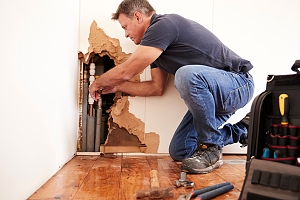
Retaining wall issues you should fix before freezing weather must be handled early. Water, soil pressure, and freezing conditions all work against your wall. In Northern Virginia, Maryland, and DC, fall is the best time to act. Fixing cracks, improving drainage, and reinforcing weak areas protects your property. Taking action now prevents costly repairs and keeps your retaining wall strong through winter.
Find or Post Dirt and Materials with Ease
If you need material or want to move excess dirt before winter, timing matters. Dirt Connections Match (DCM) helps professionals stay organized. You can track material availability and connections in one place. Dirt Connections Public Listings (DCPL) lets you post “Have Material” or “Need Material” in minutes. Listings stay active for 90 days and reach a nationwide audience. If you need fill dirt, drainage stone, or want to move material quickly, this gives you visibility fast. Go to dirtconnections.com and click the orange “Find or Post Dirt & Materials” button to get started.
Summary

Dirt Connections was started with one goal in mind: providing quality residential and commercial construction services to clients on time and on budget. Reach out for more information on how we can support your next project.
For your convenience our estimates are free and by appointment. Call 703-940-9949 for a free estimate today!