Quick Summary
Select fill is material chosen because it meets the specific requirements of a construction project. Depending on the application, it may consist of soil, sand, gravel, crushed stone, or other approved materials. Contractors commonly use select fill to build stable foundations, improve drainage, support structures, and prepare sites for long-term performance.
What Is Select Fill?

Many people assume select fill refers to one specific construction material. In reality, the term describes material selected because it satisfies the engineering or project requirements for a particular application.
Unlike common fill, which may vary in quality and composition, select fill is chosen for its known characteristics. Engineers or project specifications often require certain properties such as proper gradation, strength, drainage, moisture content, or compaction to ensure the material performs as intended.
Depending on the project, select fill may include sand, gravel, crushed stone, structural fill, approved native soil, or other materials that meet the required specifications.
The important point is that select fill is defined by its suitability for the project rather than by one particular type of material.
Why Is Select Fill Important?
Every successful construction project depends on a stable foundation.
If unsuitable material is placed beneath buildings, roadways, retaining walls, or parking lots, settlement and structural problems may develop long after construction is complete. Select fill helps reduce these risks by providing material with predictable performance.
Properly selected material can improve:
- Foundation stability
- Load-bearing capacity
- Soil compaction
- Drainage
- Long-term durability
- Overall site performance
Choosing the proper material before construction begins often reduces future maintenance costs while improving the overall quality of the finished project.
Common Types of Select Fill

Select fill may consist of several different materials depending on the project requirements.
Some of the most common include:
- Sand / Sand provides excellent drainage and is frequently used where water movement is important.
- Gravel / Gravel offers outstanding stability and drainage, making it ideal beneath roadways, parking lots, and foundations.
- Crushed Stone / Crushed stone provides exceptional strength and compacts well under heavy loads.
- Approved Native Soil / Some projects allow contractors to reuse on-site soil after testing confirms it meets the project specifications.
- Structural Fill / Many structural fills also qualify as select fill when they satisfy the engineer’s requirements for a specific project.
Each material offers different advantages. Engineers select the most appropriate option based on soil conditions, drainage requirements, anticipated loads, and project specifications.
How Contractors Use Select Fill
Contractors use select fill on a wide variety of construction projects.
Common applications include:
- Building pads
- Residential foundations
- Commercial developments
- Road construction
- Highway embankments
- Utility trenches
- Retaining wall backfill
- Parking lots
- Industrial sites
- Data centers
- Site grading
- Pool removal projects
For example, after completing a pool removal, contractors often import approved material to restore the excavation. If the property owner plans to build an addition, garage, or other structure over the former pool area, the engineer may require higher-quality select fill capable of supporting future structural loads. Using the appropriate material helps create a safer, more stable finished project while reducing the risk of future settlement.
How to Choose the Right Select Fill
Choosing the right material begins with understanding the project’s requirements.
Contractors and engineers consider several factors before selecting material, including:
- Intended use
- Existing soil conditions
- Drainage requirements
- Bearing capacity
- Moisture sensitivity
- Compaction characteristics
- Local specifications
- Environmental conditions
Price should never be the only consideration. Lower-cost material may require additional processing or fail to meet the engineering requirements, resulting in delays or expensive corrective work. Selecting the proper material at the beginning of the project usually produces better long-term results.
Select Fill vs. Common Fill
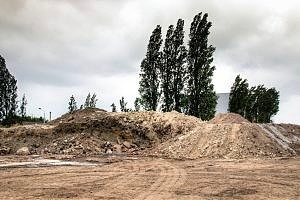
Although people sometimes use these terms interchangeably, select fill and common fill are not the same. Common fill generally consists of material used to fill low areas, establish rough grades, or complete projects where engineering requirements are less demanding. Its composition may vary depending on the source.
Select fill, on the other hand, is chosen because it meets specific project requirements. Engineers or project specifications may require certain properties related to strength, drainage, gradation, or compaction to ensure reliable long-term performance. Selecting the appropriate material depends on the intended use rather than the name alone.
Select Fill vs. Engineered Fill
Although the terms are sometimes used together, select fill and engineered fill describe different aspects of a construction project. Select fill refers to material chosen because it meets the project’s specifications. In contrast, engineered fill describes the installation process used to place approved material according to engineering requirements.
During installation, contractors place the material in controlled lifts, adjust the moisture content when necessary, compact each lift, and verify the required density through field testing. Many construction projects use select fill as the approved material, but it only becomes engineered fill after contractors install and test it according to the engineer’s specifications.
Select Fill vs. Engineered Fill
Select fill and engineered fill describe different aspects of a construction project. While select fill refers to material chosen because it meets the project’s specifications, engineered fill describes the process of installing approved material according to engineering requirements. Engineered fill refers to the installation process used to place approved material according to engineering requirements. That process typically includes placing the material in controlled lifts, adjusting moisture when necessary, compacting each lift, and verifying the results through field testing. Many construction projects use select fill during this process, but the material only becomes engineered fill after contractors install and test it according to the engineer’s specifications.
Common Mistakes When Using Select Fill
One of the most common mistakes is assuming every project requires the same type of material. Different projects often have very different requirements. Material suitable for landscaping or grading may not provide adequate support beneath a building foundation or roadway.
Another mistake involves purchasing material based only on price. Lower-cost material may require additional processing or fail to satisfy the project specifications, resulting in delays or additional expenses. Working closely with qualified contractors and following the engineer’s recommendations helps ensure the right material is used for the job.
Contractor Tip
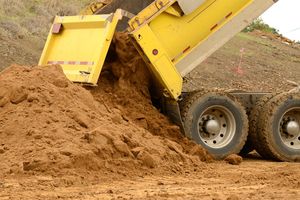
Before ordering material, determine how the finished area will be used.
A residential yard, driveway, building pad, retaining wall, parking lot, or commercial development may all require different materials. Understanding the project’s purpose before delivery begins helps avoid unnecessary costs while improving long-term performance.
Frequently Asked Questions
What is select fill?
Select fill consists of material chosen because it meets the engineering or project requirements for a specific construction application.
What materials can qualify?
Depending on the project, approved material may include sand, gravel, crushed stone, structural fill, select aggregate, or native soil that satisfies the required specifications.
Is select fill the same as structural fill?
No. Structural fill is one type of material that may qualify for certain projects. Select fill is a broader term describing material selected because it meets the project’s requirements.
Can contractors use select fill to create engineered fill?
Yes. Contractors often use approved material during engineered fill operations. Once they place, compact, and test the material according to engineering specifications, it becomes part of the engineered fill system.
Does every construction project require select fill?
No. Some projects can successfully use suitable on-site material, while others require imported material that better satisfies the engineering, grading, drainage, or structural requirements.
Final Thoughts
Select fill plays an important role in modern construction by providing reliable material for projects that require predictable performance and long-term stability. Understanding how it differs from common fill, structural fill, and engineered fill helps contractors, engineers, developers, and property owners make better decisions before construction begins. Selecting the proper material for each project improves site performance, reduces future maintenance, and contributes to safer, longer-lasting construction.
Dirt Connections Network (DCN)
Finding the right construction material often starts with finding the right construction professionals. Dirt Connections Network (DCN) is a private construction marketplace where contractors, suppliers, truckers, developers, and other industry professionals connect directly to discover projects, material opportunities, trucking resources, and business relationships throughout the United States and beyond.
Dirt Connections Public Listings (DCPL)
For those searching for available construction materials, Dirt Connections Public Listings (DCPL) provides a public, searchable platform where homeowners, contractors, suppliers, truckers, and developers can post and discover available fill materials, topsoil, aggregates, and material needs throughout the United States and beyond. By connecting users directly without a broker or middleman, the platform helps improve material visibility and project coordination.
Disclaimer
This article is provided for educational purposes only. Material specifications, engineering requirements, local building codes, and soil conditions vary by project and location. Always consult the project engineer, geotechnical engineer, or other qualified construction professionals before selecting or installing construction materials.
Summary

Dirt Connections was started with one goal in mind: providing quality residential and commercial construction services to clients on time and on budget. Reach out for more information on how we can support your next project.
For your convenience our estimates are free and by appointment. Call 703-940-9949 for a free estimate today!