Quick Summary
Unsuitable soil is any soil that cannot safely support the intended construction project without improvement or replacement. Poor drainage, excessive moisture, organic matter, soft clays, loose sands, buried debris, and unstable materials can all create foundation, grading, and settlement problems. Identifying these conditions before construction begins helps reduce delays, prevent costly repairs, and improve long-term project performance.
What Is Unsuitable Soil?
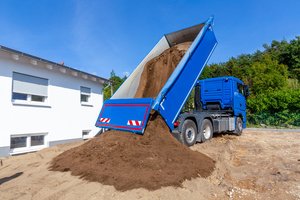
Not every construction site starts with soil capable of supporting buildings, roads, retaining walls, or other structures.
Unsuitable soil is any material that fails to provide the stability, strength, drainage, or compaction needed for the intended project. While some soils require only minor improvements, others must be removed entirely and replaced with approved construction material.
Many property owners assume dirt is simply dirt. In reality, soil conditions vary significantly from one site to another. Material that performs well beneath a landscaped area may fail completely beneath a building foundation or parking lot.
For that reason, contractors and engineers carefully evaluate existing soil conditions before construction begins.
Why Unsuitable Soil Creates Construction Problems
Every structure depends on the material beneath it.
When unsuitable soil remains in place, it can lead to settlement, cracking, drainage problems, pavement failure, retaining wall movement, and foundation damage. These problems often develop slowly, making them expensive and difficult to repair after construction is complete.
Several conditions can make soil unsuitable for construction.
Examples include:
- Organic material
- Tree roots
- Topsoil
- Soft clay
- Peat
- Excessive moisture
- Loose sand
- Buried debris
- Construction waste
- Uncontrolled fill
Although these materials may appear stable on the surface, they often compress, shift, or deteriorate over time when subjected to structural loads. Removing unsuitable soil before construction begins helps create a safer and more reliable foundation.
Common Types of Unsuitable Soil
Construction projects encounter many different types of unsuitable soil.
Some of the most common include:
- Organic Soil Organic material contains roots, leaves, vegetation, and decomposing matter that continue to break down over time. Because this material decomposes and settles, contractors remove it before placing structural fill.
- Soft Clay Soft clay often contains excessive moisture and compresses under heavy loads. Without proper treatment, buildings and pavement may experience long-term settlement.
- Peat Peat consists primarily of partially decomposed organic matter. It has very little bearing capacity and almost always requires removal before construction.
- Loose Sand Although sand drains well, loose sand may not provide enough stability until contractors properly compact it.
- Uncontrolled Fill Previous construction sometimes leaves unknown fill material buried below the surface.
Since contractors rarely know how this material was placed or compacted, engineers often require additional investigation before allowing construction to continue.
How Contractors Identify Unsuitable Soil
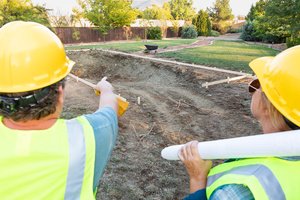
Experienced contractors often recognize problem soils during excavation. Standing water, excessive pumping beneath equipment, unusual odors, dark organic material, buried debris, and unstable excavation walls frequently indicate unsuitable conditions. However, visual observations alone cannot always determine whether soil meets project requirements.
Many projects include geotechnical investigations before construction begins. During these investigations, engineers collect soil samples from various depths and evaluate the material in a laboratory.
These evaluations help determine important characteristics such as:
- Bearing capacity
- Moisture content
- Soil classification
- Plasticity
- Compaction characteristics
- Drainage properties
The results allow engineers to recommend whether contractors should reuse, stabilize, or replace the existing material.
Common Signs of Unsuitable Soil on a Job Site
Some warning signs become obvious before excavation even begins.
Contractors often investigate further when they observe:
- Standing water after rainfall
- Soft or spongy ground
- Equipment sinking into the soil
- Uneven settlement
- Poor drainage
- Excessive rutting
- Existing pavement cracking
- Leaning retaining walls
- Areas that remain wet for extended periods
Although these signs do not always confirm unsuitable soil, they frequently indicate conditions requiring additional evaluation before construction proceeds.
How Unsuitable Soil Is Tested
Once contractors suspect unsuitable soil, engineers typically perform additional testing to determine the appropriate course of action.
Common testing methods include laboratory soil classification, moisture content analysis, bearing capacity evaluations, and compaction testing. Depending on the project, engineers may also perform field density testing, Proctor testing, and other geotechnical evaluations to determine whether the material can remain in place or requires removal.
Testing provides objective information that helps contractors select the safest and most cost-effective solution before construction continues.
Methods for Correcting Unsuitable Soil
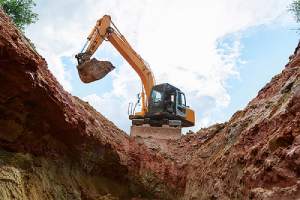
Discovering unsuitable soil does not necessarily mean a project cannot move forward. In many cases, contractors can correct the problem using proven construction methods that improve stability and prepare the site for long-term performance.
One of the most common solutions involves removing the unsuitable material and replacing it with approved fill. Depending on the project, engineers may specify structural fill, select fill, engineered fill, crushed stone, or another approved material capable of supporting the intended load.
Some projects allow contractors to stabilize existing soil rather than remove it. Soil stabilization may involve blending the material with lime, cement, fly ash, or other additives to improve its strength and reduce moisture sensitivity.
Proper drainage also plays an important role. Installing underdrains, improving surface grading, or lowering the groundwater level may eliminate moisture-related problems that contribute to unstable soil conditions.
The appropriate solution depends on the engineering recommendations, site conditions, and the intended use of the completed project.
Unsuitable Soil vs. Suitable Fill Material
Unsuitable soil and suitable fill material represent opposite ends of the construction process. Unsuitable soil cannot safely support the proposed project without improvement or replacement. Suitable fill material has the strength, stability, drainage characteristics, and compaction properties necessary for the intended application.
Replacing poor soil with approved material creates a stronger foundation for buildings, roads, retaining walls, parking lots, utility installations, and other construction projects. Selecting the proper replacement material helps reduce settlement, improve drainage, and increase the long-term performance of the completed work.
Common Mistakes Contractors Make
One of the most common mistakes is assuming every area of a job site contains acceptable soil. Conditions can change dramatically within a few feet. Material that appears stable in one location may become soft, wet, or highly organic elsewhere on the property.
Another mistake involves building over unsuitable soil to save time or reduce costs. Although this approach may appear successful initially, it often leads to settlement, cracking, and expensive repairs after construction is complete.
Ignoring warning signs such as standing water, buried debris, or excessive rutting can also create unnecessary problems. Careful site evaluation before construction begins helps contractors identify potential issues while corrective measures remain relatively inexpensive.
Contractor Tip

Never assume existing soil is suitable simply because it has supported grass, trees, or previous landscaping for many years.
Construction loads differ significantly from natural conditions. Before building a home addition, commercial structure, retaining wall, roadway, or parking lot, verify that the existing soil can safely support the proposed project. Investing in proper evaluation before construction often prevents far more expensive problems later.
Frequently Asked Questions
What is unsuitable soil?
Unsuitable soil is any material that cannot safely support the intended construction project without improvement, stabilization, or replacement.
How do contractors identify poor soil conditions?
Contractors look for warning signs such as standing water, soft ground, excessive rutting, buried debris, organic material, and unstable excavation walls. Engineers often confirm these observations through geotechnical testing.
Can unsuitable soil be improved?
Yes. Depending on the project, contractors may remove and replace the material, stabilize it with approved additives, improve drainage, or use other engineering methods to create a suitable foundation.
Does every construction project require soil testing?
No. Smaller residential projects may not require formal testing. However, larger commercial developments, public infrastructure projects, and sites with questionable soil conditions often benefit from a geotechnical investigation before construction begins.
Why is removing unsuitable soil important?
Removing unstable material helps reduce settlement, improve structural support, enhance drainage, and increase the long-term performance of the completed project.
Final Thoughts
Unsuitable soil is one of the most common challenges encountered during construction, yet it often remains hidden until excavation begins.
Recognizing poor soil conditions early allows contractors, engineers, developers, and property owners to select the most appropriate solution before costly problems develop. Whether the project requires soil replacement, stabilization, improved drainage, or engineered fill, correcting unsuitable soil creates a stronger foundation for successful construction.
Understanding the causes, warning signs, and available solutions helps ensure safer projects, better long-term performance, and greater confidence throughout the construction process.
Dirt Connections Network (DCN)
Successful construction projects depend on more than quality materials—they also depend on strong industry connections. Dirt Connections Network (DCN) is a private construction marketplace where contractors, suppliers, truckers, developers, and other construction professionals connect directly to discover projects, material opportunities, trucking resources, and business relationships throughout the United States and beyond.
Dirt Connections Public Listings (DCPL)
When construction projects require fill materials or have excess material available, Dirt Connections Public Listings (DCPL) provides a public, searchable platform where homeowners, contractors, suppliers, truckers, and developers can post and discover material needs and available materials throughout the United States and beyond. The platform encourages direct connections while improving material visibility and project coordination.
Disclaimer
This article is intended for educational purposes only. Soil conditions, engineering requirements, building codes, and geotechnical recommendations vary by project and location. Always consult the project engineer, geotechnical engineer, or other qualified construction professionals before making decisions regarding unsuitable soil or site preparation.
Summary

Dirt Connections was started with one goal in mind: providing quality residential and commercial construction services to clients on time and on budget. Reach out for more information on how we can support your next project.
For your convenience our estimates are free and by appointment. Call 703-940-9949 for a free estimate today!