One of the most common questions in construction is, “How deep should fill dirt be compacted?” While the answer may seem straightforward, there is no single depth that applies to every project.
Understanding how deep fill dirt should be compacted depends on several factors, including the type of soil, moisture content, compaction equipment, engineering specifications, and the intended use of the site. In many engineered projects, fill is placed in lifts of approximately 6 to 12 inches, with each lift compacted before the next layer is added. However, these are general guidelines—not universal rules. The project plans and specifications should always govern the work.
Whether you’re preparing a building pad, driveway, retaining wall, parking lot, utility trench, or roadway, knowing how deep fill dirt should be compacted and how lift thickness affects compaction can help prevent settlement, improve structural performance, and reduce costly repairs in the future.
Quick Summary
Proper fill dirt compaction is about much more than simply running a roller over the ground. Successful compaction depends on placing soil in lifts that can be effectively compacted based on the material, moisture content, equipment, and project requirements. When performed correctly, lift-by-lift compaction creates stronger, more stable foundations that support long-term performance.
Why Proper Compaction Depth Matters
Every structure transfers its weight into the ground beneath it. If that soil is not properly compacted, the ground can settle over time, causing structural problems that may be expensive to repair.
Improperly compacted fill can contribute to:
- Foundation settlement
- Cracked concrete slabs
- Uneven driveways
- Pavement failures
- Retaining wall movement
- Sidewalk displacement
- Utility trench settlement
- Poor drainage
- Increased maintenance costs
Many of these problems develop months or even years after construction is complete. Although the finished surface may initially appear smooth and stable, loose soil beneath the surface can continue to consolidate under the weight of the structure. Proper lift compaction significantly reduces these risks.
Why Fill Dirt Is Compacted in Lifts
One of the biggest misconceptions in construction is believing that several feet of fill dirt can simply be placed, compacted from the surface, and expected to perform properly. In reality, compaction energy only reaches so far into the soil. When lifts are placed too thick, the upper portion may appear dense while material deeper within the lift remains loose. Over time, this hidden loose material may compress under loading, resulting in settlement.
For this reason, experienced contractors place fill dirt in manageable layers known as lifts. Each lift is compacted before the next layer is added, allowing compaction equipment to achieve more consistent density throughout the fill section. This process creates a stronger, more uniform foundation from the bottom up.
What Determines Lift Thickness?

There is no universal lift thickness that works for every construction project. Several factors influence how deep each lift should be compacted.
Soil Type
Different soils respond differently to compaction. Granular soils such as sand and gravel generally compact differently than cohesive soils like clay. Some soils achieve density relatively easily, while others require more moisture control, specialized equipment, or thinner lifts to obtain the desired results. Understanding the characteristics of the fill material is one of the first steps in developing an effective compaction plan.
Moisture Content
Moisture plays a major role in successful compaction. If the soil is too dry, the particles may not bond together efficiently. If the soil is too wet, excess water occupies the void spaces and prevents the soil from reaching maximum density. Proper moisture conditioning allows soil particles to move into a denser arrangement during compaction, producing a stronger finished product.
Compaction Equipment
The equipment used also affects lift thickness. Different machines transmit compaction energy differently.
Examples include:
- Vibratory rollers
- Smooth drum rollers
- Padfoot (sheepsfoot) rollers
- Pneumatic rollers
- Vibratory plate compactors
- Jumping jack tampers
- Trench rollers
Larger equipment generally produces greater compaction energy than smaller machines, but the appropriate equipment depends on the soil conditions and project requirements—not simply machine size.
Engineering Specifications
Perhaps the most important factor is the project’s engineering requirements.
Engineers may specify:
- Maximum lift thickness
- Required compaction percentage
- Moisture requirements
- Testing frequency
- Approved fill materials
- Equipment limitations
These specifications are developed to meet the structural needs of the project and should always take precedence over general rules of thumb.
How Deep Should Fill Dirt Be Compacted?
Although every project is different, many engineered construction projects commonly place fill in approximately 6- to 12-inch lifts, compacting each layer before additional material is placed. Some applications may require thinner lifts to achieve proper density, while others may permit thicker lifts when supported by engineering specifications, appropriate equipment, and successful field testing. The important principle is not achieving a certain total depth at one time—it’s ensuring each lift receives adequate compaction before the next layer is added. Proper lift-by-lift construction produces a more uniform, stable fill that performs better over the life of the structure.
Contractor Observation
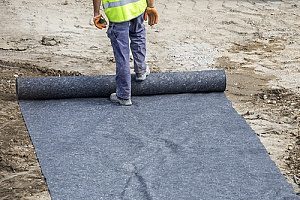
One lesson I’ve learned after more than four decades in construction is that compaction problems are often invisible on the day the work is completed. A site may appear perfectly smooth and stable immediately after grading, yet hidden loose soil beneath the surface can slowly settle over time if lifts were placed too thick or moisture wasn’t properly controlled. That’s why experienced contractors respect lift thickness, proper moisture conditioning, and field testing. A finished surface can look excellent—but long-term performance depends on what was built below the surface.
______________________________________________________________________________________________________________________________________
Engineering Verification and Field Testing
Proper compaction is not determined by appearance alone. A smooth, freshly graded surface may look excellent, but looks can be deceiving. The true measure of successful compaction is whether the soil has achieved the density required by the project’s engineering specifications.
On many construction projects, field testing verifies that each lift has been compacted properly before additional fill is placed. This quality control process helps identify potential problems early, reducing the risk of future settlement and structural issues.
Common methods of verification include:
- Proctor Compaction Testing to establish the soil’s maximum dry density and optimum moisture content.
- Field Density Testing, often performed using a nuclear density gauge or other approved testing methods, to compare field results with laboratory standards.
- Moisture Content Testing to confirm that soil is being compacted within the appropriate moisture range.
Together, these tests help ensure that fill dirt is being placed and compacted in accordance with the project requirements—not simply based on visual inspection.
Common Mistakes When Compacting Fill Dirt
Even experienced contractors can encounter compaction problems if proper procedures are not followed.
Some of the most common mistakes include:
- Placing lifts that are too thick.
- Compacting soil that is too wet or too dry.
- Using the wrong equipment for the soil type.
- Failing to achieve uniform coverage with the compaction equipment.
- Using fill dirt containing excessive organic material, debris, or unsuitable soils.
- Skipping field density testing when required.
- Ignoring engineering specifications.
- Assuming a smooth surface indicates proper compaction.
These mistakes can create hidden weaknesses beneath the surface that may not become apparent until months or even years after construction.
Where Proper Fill Dirt Compaction Is Used

Properly compacted fill dirt plays a critical role in many types of construction projects, including:
- Residential foundations
- Commercial buildings
- Warehouses
- Roadways and highways
- Parking lots
- Building pads
- Utility trenches
- Retaining walls
- Bridge approaches
- Embankments
- Industrial facilities
- Athletic fields
- Site grading and land development
Regardless of the project size, proper lift-by-lift compaction helps create a stronger, more stable base for future construction.
Contractor Tip
One of the easiest ways to create expensive problems is to rush earthwork. Over more than four decades in construction, I’ve learned that good compaction requires patience. Understanding how deep should fill dirt be compacted is only part of the process. It also takes time to place material in manageable lifts, maintain proper moisture content, use the right equipment, and verify the results through proper testing when required. Skipping these steps may save time today, but it can lead to costly settlement, cracked concrete, pavement failures, and structural repairs later. The work that no one sees beneath the surface often determines how well a project performs for decades to come.
Frequently Asked Questions
How deep should fill dirt be compacted?
There is no universal depth. Many engineered projects place fill in approximately 6- to 12-inch lifts, compacting each layer individually. However, the proper lift thickness depends on the soil type, moisture content, equipment, engineering specifications, and project requirements.
Why can’t contractors compact several feet of fill at one time?
Compaction equipment can only transfer energy so far into the soil. If lifts are too thick, the upper portion may become dense while loose material remains below, increasing the risk of future settlement.
Does every construction project require compaction testing?
Not every project requires formal testing, but many commercial, municipal, roadway, and engineered projects require field density testing to verify that specified compaction levels have been achieved. Always follow the project specifications and applicable local requirements.
What happens if fill dirt is not compacted properly?
Poor compaction can result in settlement, cracked foundations, pavement failures, retaining wall movement, poor drainage, utility settlement, and costly repairs.
Does moisture affect compaction?
Yes. Moisture content is one of the most important factors affecting compaction. Soil that is too wet or too dry may not achieve the required density, even when using proper equipment.
Final Thoughts
Proper fill dirt compaction is not about reaching a single depth—it is about building a stable foundation one lift at a time.
Successful compaction depends on understanding the characteristics of the soil, maintaining proper moisture content, selecting the appropriate equipment, following engineering specifications, and verifying the results through field testing when required.
Whether you’re preparing a residential building pad, constructing a commercial development, installing utilities, or building a roadway, properly compacted fill dirt provides the foundation for long-term performance.
Taking the time to compact each lift correctly today can help prevent costly settlement, structural problems, and unnecessary repairs for years to come.
Dirt Connections Match (DCM)

Construction professionals are always looking for reliable sources of fill dirt, excavation contractors, grading companies, dump truck services, and earthwork opportunities.
Dirt Connections Match (DCM) is a private nationwide networking platform built exclusively for qualified construction professionals. Members can build relationships, increase visibility, discover project opportunities, share material availability, locate dump truck services, and expand their professional network—all within one centralized platform.
Dirt Connections Public Listings (DCPL)

Need fill dirt or have excess material available?
Dirt Connections Public Listings (DCPL) provides a public marketplace where contractors, developers, builders, suppliers, and property owners can post or locate available fill dirt, topsoil, aggregates, and other construction materials while connecting with qualified construction professionals.
Educational Disclaimer
This article is provided for general educational purposes only. Fill placement and compaction requirements vary depending on project specifications, soil conditions, engineering recommendations, applicable testing standards, equipment capabilities, and local regulations. Always consult the project engineer, geotechnical report, testing laboratory, and applicable regulatory authorities before determining the appropriate lift thickness, compaction procedures, or testing requirements for any construction project.
Summary

Dirt Connections was started with one goal in mind: providing quality residential and commercial construction services to clients on time and on budget. Reach out for more information on how we can support your next project.
For your convenience our estimates are free and by appointment. Call 703-940-9949 for a free estimate today!