Introduction
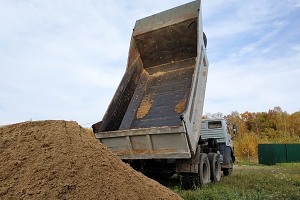 As winter casts its icy grip, spring projects may feel far away. However, preparing now is the smartest move. If you plan to use fill dirt in the spring, proper winter storage is essential. Without it, dirt can clump, freeze, or become contaminated. That makes it harder to use later and can add costs to your project. This guide will show you how to store fill dirt for spring use in cold weather conditions. You’ll learn how to protect it from moisture, freezing, and damage. With the right approach, you’ll keep your fill dirt ready for landscaping, gardening, or construction when the thaw arrives.
Understanding Fill Dirt: What It Is and Its Uses
Fill dirt is the foundation for many outdoor projects. Unlike topsoil, it has little to no organic matter. Instead, it’s mostly clay, sand, and broken-down rock. This makes fill dirt stable, compact, and ideal for structural use.
You can use fill dirt to level uneven ground, raise low spots, or support retaining walls. It’s also helpful for improving drainage around foundations and shaping the land. Builders often use it to create terraces or fill large holes. In some cases, it even helps with erosion control and wetland restoration. Because it is so versatile, fill dirt must be kept clean and dry. Storing it correctly in the winter protects its strength for future projects.
Importance of Proper Storage for Fill Dirt
 Improper storage can ruin good fill dirt. Moisture causes clumping, while freezing and thawing weaken stability. Exposure to contaminants, debris, or organic matter can change the dirt’s makeup. That leads to settling or uneven surfaces once used.
For example, if fill dirt absorbs too much water, it may freeze into large chunks. These chunks are tough to break apart in spring. Contaminated dirt may also create weak foundations that can shift over time. By storing your fill dirt properly, you preserve its compaction strength and texture. Taking this extra step now means smoother, more reliable results in the spring.
Ideal Conditions for Storing Fill Dirt in Cold Weather
To protect fill dirt, choose a storage site with the right conditions. First, make sure the ground drains well. Poor drainage allows water to pool around the pile, causing clumping and freezing.
Next, select an area with good sun exposure. Sunlight helps keep the dirt warmer and reduces deep freezing. Place the pile on a raised platform or layer of gravel to keep it off wet ground.
Finally, reduce wind exposure. Strong winds can strip away fine particles, leaving coarser, less usable dirt. A sheltered location, such as near a building or fence, works best. With proper drainage, sunlight, and wind protection, your fill dirt will stay ready for use.
Preparing Fill Dirt for Storage: Key Steps
 Before you store fill dirt, take time to prepare it. Start by removing any debris, rocks, or trash. This prevents contamination and ensures a cleaner pile.
If the dirt is wet, allow it to dry before storage. Spread it out thinly on a dry day and let moisture evaporate. Storing wet dirt almost guarantees clumping and freezing issues.
Once it’s clean and dry, shape the pile into a dome. This allows water to run off instead of seeping inside. Lightly compact the pile to reduce air pockets that can trap moisture. With these steps, your dirt will be in good condition for winter storage.
Choosing the Right Storage Location
The location matters as much as preparation. Choose an elevated spot with strong drainage. Avoid low-lying areas where water collects. If needed, add gravel or use pallets to lift the pile.
Keep your storage area accessible, even in snowy conditions. You may need to check or move the pile during winter. Clear paths help you do this safely.
Avoid areas near pollutants, construction debris, or heavy traffic. These can introduce contaminants to your dirt. If possible, store your pile in a naturally sheltered area, such as near trees or structures. Choosing carefully now ensures your dirt stays protected until spring.
Best Practices for Covering and Protecting Fill Dirt
 Covering your fill dirt is essential in winter. A strong tarp or plastic sheet is the best option. Make sure the cover is large enough to drape over the entire pile.
Secure the edges with heavy objects like sandbags, rocks, or bricks. For extra hold, use stakes or bungee cords. This prevents the tarp from blowing away during strong winds.
Check the cover often during winter. Remove snow or ice before it builds up too heavily. Patch any tears quickly to keep the protection strong. A well-maintained cover shields your dirt from rain, snow, and wind erosion.
Common Mistakes to Avoid When Storing Fill Dirt
Homeowners often make preventable mistakes with winter storage. Skipping preparation is one of the biggest. Storing dirt that is wet or full of debris leads to problems later.
Another mistake is choosing a poor location. Low areas collect water, and open areas allow wind to strip the pile.
Finally, many people use weak or unsecured covers. A thin tarp or loose edges won’t hold up against winter weather. Avoid these mistakes by preparing, protecting, and monitoring your dirt. Doing so saves time and money when it’s time to use it.
How to Assess Fill Dirt Quality Before Spring Use
 When winter ends, always check your stored fill dirt before using it. Start with a visual inspection. Look for debris, clumps, or contamination and remove anything unwanted.
Next, test for moisture. If the dirt is wet or frozen, spread it in a thin layer to dry. Sunlight and airflow will restore it.
Finally, check texture and compaction. Dirt should be uniform and stable. Break apart clumps with a rake, or use a compactor if needed. These steps ensure your fill dirt is ready for strong, reliable use in spring projects.
Tips for Using Stored Fill Dirt in Spring Projects
When spring arrives, plan your project before spreading fill dirt. Decide how much you need and where it will go.
Prepare your site by clearing obstacles and installing drainage if necessary. Then spread fill dirt in thin, compacted layers. Compacting each layer prevents air pockets and settling later.
After application, monitor the area for settling or erosion. Adjust as needed to maintain stability. With proper storage and application, your fill dirt will perform well in landscaping, gardening, or construction.
Conclusion: Ensuring Quality Fill Dirt for Spring Projects
 Learning how to store fill dirt for spring use in cold weather conditions helps you protect a valuable resource. With proper preparation, covering, and location, your fill dirt stays stable and ready. By avoiding common mistakes and checking quality in spring, you ensure smooth results.
Stored fill dirt saves you money, reduces stress, and gives you a head start on spring projects. With these best practices, you’ll be ready for landscaping, drainage fixes, or construction as soon as the weather warms.
Embrace winter as preparation time, not downtime. Store your fill dirt right, and you’ll welcome spring with confidence.
Summary

Dirt Connections was started with one goal in mind: providing quality residential and commercial construction services to clients on time and on budget. Reach out for more information on how we can support your next project.
For your convenience our estimates are free and by appointment. Call 703-940-9949 for a free estimate today!