From Splash to Soil: What Happens to Your Yard After Pool Demolition?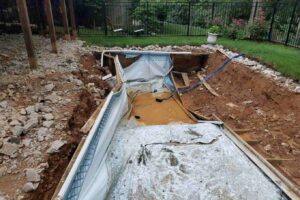
When you finally decide to say goodbye to your swimming pool, your backyard begins a new chapter. From splash to soil, the process of pool demolition in Northern Virginia opens the door to fresh possibilities for your outdoor space. But what happens after the last bit of water disappears? After the crew clears the debris and levels the soil, you can start planning how to transform your yard. Understanding each step — from improving drainage to preparing the soil — ensures long-term success. Let’s explore how your yard transforms after pool demolition in Northern Virginia and how you can rebuild it into a thriving, beautiful landscape.
Understanding Pool Demolition: An Overview
Removing a swimming pool is a major decision for any homeowner. It often means saying goodbye to summer fun while welcoming new opportunities for your yard. Homeowners in Fairfax County, Northern Virginia, and surrounding areas often remove pools to reduce maintenance costs, resolve safety concerns, or make space for new landscaping.
Pool demolition involves breaking up the old structure, hauling away debris, and filling the area with structural fill dirt or screened soil. The process requires planning, permits, and proper equipment. Once complete, the area becomes a clean, compacted surface — the perfect foundation for your new outdoor vision.
The Pool Demolition Process Explained
Every project begins with permits and site checks. Local regulations across Fairfax, Loudoun, and Prince William Counties require approval before demolition begins. Once permits are secured, the pool is drained, often over several days, and then broken apart with heavy machinery.
Afterward, all concrete, metal, and debris are removed. The empty space is filled with compacted fill dirt and topsoil to prevent future settling. Finally, the surface is leveled and graded to prepare for lawn installation, patios, or garden beds. Each step is designed to create a safe, stable foundation for your next outdoor project.
Immediate Effects on Your Yard Post-Demolition
After the pool is gone, your yard will look completely different. What was once a sparkling pool becomes open ground, ready for new possibilities. However, the area may appear uneven and bare. The soil might also be compacted or mixed with small debris.
This is normal and temporary. Addressing soil quality and grading early ensures a smooth start to your landscaping. You’ll also need to evaluate drainage patterns — because pools alter how water flows in a yard. Fixing poor drainage now prevents future flooding or erosion problems once new landscaping is added.
Soil Quality and Landscaping Considerations
The soil left after pool removal is often dense and low in nutrients. Start with a soil test to measure pH and nutrient levels. Improving your soil may require adding screened topsoil, compost, or organic fertilizer to restore balance and support healthy plant growth.
When planning your new landscape, think about how you want to use the space. Some homeowners create a lush lawn, while others install patios, gardens, or retaining walls. If you’re in Northern Virginia, consider hardy, low-maintenance plants suited to local climates — native grasses, hydrangeas, or evergreens perform beautifully in this region.
Addressing Drainage Issues After Pool Removal
Proper drainage is key to a long-lasting yard. Without good drainage, water can pool, erode soil, or damage nearby structures. Start by observing how water flows after rain.
If needed, regrade your yard to create a gentle slope away from your home. Install French drains or dry wells to manage runoff. Adding sand, gravel, or organic material can also help loosen compacted areas and improve water flow. Solving drainage issues now protects your investment and prevents costly repairs later.
Reimagining Your Outdoor Space: Design Ideas
With the pool gone, your imagination takes center stage. Many homeowners turn the space into a low-maintenance lawn, garden, or entertaining area. If you enjoy gardening, add raised flower beds or a vegetable patch. For families, open lawns make perfect play areas.
Want something functional? Consider installing a stone patio or outdoor kitchen for gatherings. Add paths, lighting, and shaded seating to enhance the appeal. With the right design, your post-pool yard can become a peaceful retreat or an inviting place for friends and family.
Essential Steps for Yard Restoration
Successful yard restoration starts with preparation.
- Test and improve the soil with organic matter or screened topsoil.
- Ensure proper grading and drainage.
- Plan your landscape layout. Select plants that suit your region’s sunlight and rainfall patterns.
- Install sod or seed for a fresh green look.
- Maintain regularly — water deeply, mow properly, and fertilize as needed.
A well-planned yard grows stronger each season and adds lasting value to your home.
Common Mistakes to Avoid After Pool Demolition
Avoid skipping soil testing — poor soil leads to weak lawns and struggling plants. Don’t ignore drainage; it’s one of the most common problems after demolition. Also, resist the urge to rush landscaping. Take time to design a layout that balances beauty with function.
Another mistake is planting too close together. Give each plant space to grow and thrive. Careful planning prevents future maintenance headaches and ensures your new yard remains healthy and visually appealing.
Hiring Professionals vs. DIY: What You Need to Know
If your goal is speed and precision, hiring pool demolition professionals in Northern Virginia is the best option. Licensed contractors handle permits, equipment, and soil compaction — ensuring compliance with all local building codes.
A DIY approach can save money but requires heavy machinery, safety knowledge, and time. Pool demolition is complex, and mistakes can lead to settling or drainage issues. For most homeowners, professional help provides peace of mind and a durable result that lasts.
Why Homeowners in Northern Virginia Remove Their Pools
Many homeowners in Northern Virginia decide on pool demolition to cut maintenance costs and gain more usable yard space. Over time, pool expenses such as water, chemicals, and energy can add up quickly. Additionally, older pools may present safety concerns or structural problems that make upkeep difficult. As a result, removing a pool becomes a smart, forward-thinking choice. Once the pool is gone, homeowners can transform the area into something new—perhaps a patio, garden, or large open lawn. In areas like Fairfax County and Loudoun County, where outdoor space is valuable, reclaiming this area can boost both functionality and property value. Ultimately, pool removal allows homeowners to refresh their landscape, reduce long-term costs, and enjoy a safer, low-maintenance outdoor living space.
How Pool Demolition Boosts Property Value and Safety
A well-executed pool demolition can increase your home’s value and curb appeal. Buyers in the Northern Virginia market often prefer low-maintenance yards that offer flexibility for landscaping or entertainment areas. Removing an old or damaged pool eliminates safety hazards, such as cracked surfaces, deep water, and outdated fencing. With the space restored using compacted fill dirt and screened topsoil, your yard becomes safer and more versatile. This clean, open layout appeals to more potential buyers, helping your property stand out in a competitive market.
Step-by-Step Breakdown of Pool Removal
What Happens During Concrete and Debris Removal
After draining the pool, contractors break the concrete shell into smaller pieces for quick removal. The work creates noise and dust, so they set up protective barriers to contain debris. Crews haul the broken concrete to recycling centers or approved facilities to minimize landfill waste. Once they clear the debris, they inspect and compact the excavation area for stability. By removing all old materials, contractors create a clean foundation for new fill dirt and screened topsoil, ensuring your yard stays stable and ready for fresh landscaping.
Filling the Pool Area with Structural Fill Dirt
Once demolition and debris removal are complete, structural fill dirt is used to fill the cavity. This material is carefully compacted in layers to prevent settling and create a strong foundation for your new yard. Fill dirt provides stability and drainage, ensuring the ground won’t shift over time. The surface is then topped with screened topsoil to support healthy grass and plants. In Northern Virginia, homeowners often order fill dirt delivery directly from local providers like Dirt Connections for a quick and cost-effective solution.
Conclusion: Embracing a New Yard After Pool Demolition
Removing your pool is more than demolition — it’s transformation. With the right approach, your backyard can become a functional, beautiful space that adds value and enjoyment for years.
Take time to test your soil, manage drainage, and design a landscape that fits your lifestyle. Whether you dream of a garden, patio, or open lawn, the foundation begins with proper preparation.
For expert help with pool demolition, fill dirt delivery, and yard restoration across Fairfax, Loudoun, and Prince William Counties, contact Dirt Connections at 703-940-9949 or visit dirtconnections.com. Order your fill dirt today and start transforming your yard into something truly special.
Summary

Dirt Connections was started with one goal in mind: providing quality residential and commercial construction services to clients on time and on budget. Reach out for more information on how we can support your next project.
For your convenience our estimates are free and by appointment. Call 703-940-9949 for a free estimate today!