Introduction
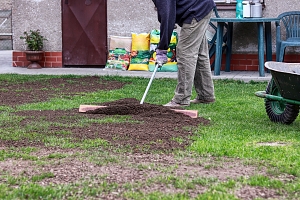 As the cold months arrive, many homeowners ask, can you grade a yard in winter? The answer is yes—but you need the right approach. Yard grading is more than looks. It prevents pooling water, protects your foundation, and helps your landscape thrive.
Winter Yard Grading: Essential Tips for Homeowners reminds us that proper grading keeps your home safe from drainage issues and costly damage. Whether you’re a DIY enthusiast or new homeowner, knowing how to handle grading in the colder months is key. In this guide, you’ll learn practical steps and expert tips to ensure your yard stays healthy all winter long.
Understanding Yard Grading and Its Importance
Yard grading means shaping the ground to create a slope. This slope directs water away from your home and foundation. Without it, water collects near your house, increasing the risk of cracks, erosion, or flooding.
In winter, the freeze-thaw cycle makes grading more important. Frozen soil expands, then shrinks as it thaws, which worsens drainage problems. Poor grading also allows melted snow to pool, leading to icy patches and root damage. Proper grading helps keep your yard safe and stable year-round.
How Winter Weather Affects Yard Grading
 Winter weather creates unique challenges. Snow adds extra moisture, which can overwhelm poorly graded yards. As it melts, water may pool in low spots or flow toward your home.
The freeze-thaw cycle is another problem. Soil expands when frozen and contracts when thawed, creating uneven surfaces. Grading done before the ground freezes ensures smoother drainage. Frozen soil is hard to work with and makes grading adjustments less effective. Planning early helps avoid spring headaches.
Key Signs Your Yard Needs Grading This Winter
Watch for these red flags before winter sets in:
- Standing water after rainfall or snowmelt.
- Soggy patches that remain muddy for days.
- Foundation issues like cracks, mold, or water stains.
If you notice these signs, your yard likely needs regrading. Addressing the slope before heavy snow protects your foundation and landscaping.
Essential Tools for Winter Yard Grading
To grade your yard in winter, gather the right tools:
- Shovel: for moving and shaping soil.
- Rake: for leveling and smoothing surfaces.
- Wheelbarrow: for transporting soil and gravel efficiently.
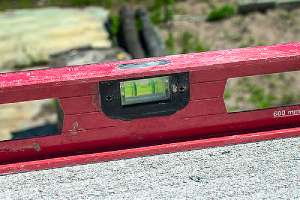
- Level: for checking the slope’s accuracy.
Using proper tools makes the work faster and ensures reliable results.
Step-by-Step Guide to Grading Your Yard in Winter
- Assess your yard. Look for pooling areas and mark them.
- Clear debris. Remove rocks, leaves, and branches.
- Shift soil. Dig high spots and move soil to low spots.
- Create a slope. Aim for one inch of slope per foot away from your home.
- Smooth and check. Use a rake and level to confirm the slope.
- Compact soil. Walk over it or use a roller for stability.
This process ensures water flows away safely.
Common Mistakes to Avoid During Winter Grading
Many homeowners make preventable mistakes, such as:
- Skipping a plan. Without mapping drainage, results may fail.
- Incorrect slope. Too steep causes erosion, too shallow causes pooling.
- Not compacting soil. Loose soil shifts easily, undoing your work.
Avoiding these mistakes saves time and money.
The Benefits of Professional Yard Grading Services

While DIY is possible, professionals bring expertise, precision, and the right equipment. They use tools like laser levels and compactors for accurate results. Professionals also finish faster and often guarantee their work, giving you peace of mind. Hiring experts ensures your yard grading withstands winter challenges.
Maintaining Your Graded Yard Throughout the Winter
After grading, maintenance is key. Inspect your yard after heavy snow or rain. Smooth uneven spots and add soil where needed.
Avoid piling snow near your foundation, as melting can cause pooling. Spread snow evenly across your yard for balanced drainage. Use safe, eco-friendly de-icers to prevent ice buildup without harming plants. Adding mulch or winter ground cover also stabilizes soil and reduces erosion.
Frequently Asked Questions About Winter Yard Grading
Can you grade a yard in winter?
Yes, but complete grading before the ground freezes for best results.
How do I know if my yard drains properly?
Check for pooling water, soggy areas, or foundation damage. These signs show drainage problems.
Is hiring a professional worth it?
Yes. Professionals provide accuracy, speed, and warranties. DIY is possible but requires more effort and time.
Regional Relevance

In Maryland, DC, and Virginia, soil conditions vary. Northern Virginia often has dense clay soils that drain slowly, making winter grading even more important. Proper grading in these areas prevents pooling water that can freeze and cause damage around your home.
Safety Angle
Winter grading helps keep your property safe by reducing icy patches and slippery walkways. Directing water away from your home lowers the risk of dangerous ice forming near entrances, driveways, and paths.
Maintenance Tips
After winter, check your yard’s slope and re-seed areas that shifted. Adding mulch to erosion-prone spots protects your soil. A quick inspection twice a year ensures your grading continues to work as intended.
Environmental Benefits

Proper yard grading protects more than your home. It reduces soil erosion and helps keep runoff from carrying pollutants into local streams and rivers. This small step benefits your whole community.
Practical Add-On Services
Grading often goes hand-in-hand with other improvements. Many homeowners pair it with fill dirt delivery, drainage pipe installation, or retaining wall construction. These additions strengthen your landscape and protect your property long-term.
Conclusion: Preparing Your Yard for Spring After Winter Grading

Winter yard grading protects your home and sets up a healthy landscape for spring. By addressing drainage now, you prevent costly damage later.
Whether you handle it yourself or hire a professional, grading ensures your yard is safe, functional, and attractive. Winter Yard Grading: Essential Tips Every Homeowner Should Know! and Winter Yard Grading: Essential Tips for Homeowners both highlight why you shouldn’t wait until spring to find problems—plan ahead, act early, and enjoy a yard that thrives through every season.
Summary

Dirt Connections was started with one goal in mind: providing quality residential and commercial construction services to clients on time and on budget. Reach out for more information on how we can support your next project.
For your convenience our estimates are free and by appointment. Call 703-940-9949 for a free estimate today!