Beyond the Splash: What Happens to Your Yard After Pool Demolition?
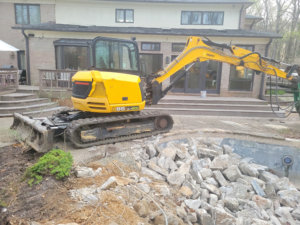
Pool Demolition and Dirt: What Happens Next? Are you thinking about pool demolition but unsure what comes next? Removing an old pool often raises questions about your yard’s future. Beyond the splash of demolition lies opportunity. With the right steps, you can turn that empty space into a garden, lawn, or outdoor living area. Success depends on more than looks—it requires planning, soil care, and proper restoration. This guide explains what to expect after pool demolition and how to reclaim your yard for long-term beauty and function.
Understanding Pool Demolition: The Basics
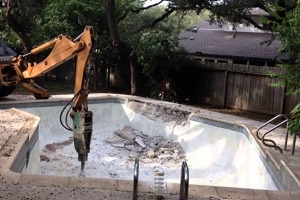
Pool demolition is more than breaking concrete. In-ground pools are either partially removed (top layer broken and filled with dirt) or fully removed (entire structure taken out). Above-ground pools are easier—drain, disassemble, and haul away. Both methods disturb the soil and change your yard’s layout, making restoration critical.
The Immediate Aftermath
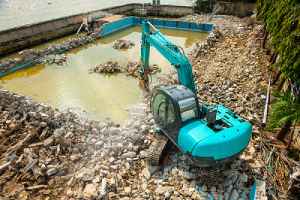 Once demolition is complete, your yard looks rough. Expect uneven ground, exposed soil, and altered drainage. Heavy equipment may compact the soil, making it harder for grass or plants to grow. This stage often feels overwhelming, but it’s a normal part of the process before renewal begins.
Common Challenges After Pool Removal
- Debris – Small bits of concrete or tile may remain.
- Uneven grading – The pool site often needs leveling.
- Soil quality – Pool chemicals or poor compaction can harm soil health.
- Drainage issues – Water flow patterns change once the pool is gone.
Addressing these early prevents long-term problems.
Assessing Yard Condition
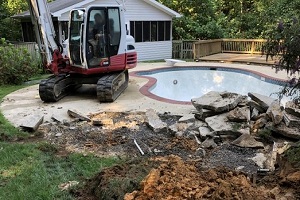 Start with the soil. Check for compaction, poor drainage, or contamination. A soil test helps determine pH and nutrient needs. Next, evaluate grading. Water should slope away from your home, not pool in low spots. Finally, inspect nearby trees, shrubs, and beds for root or soil disturbance.
Planning for Yard Restoration
Decide how you want to use the new space—garden, lawn, patio, or play area. Create a step-by-step plan:
- Clear debris.
- Re-grade and correct drainage.
- Improve soil with compost or fresh topsoil.
- Choose plants or grass suited to your climate.
Budget both time and money. Doing it in stages can reduce stress and spread out costs.
Landscaping Options After Demolition
- New lawn – Great for families who want open play space.
- Garden beds – Add flowers, shrubs, or vegetables for color and function.
- Low-maintenance xeriscaping – Use drought-tolerant plants, gravel, and mulch to cut upkeep.
- Outdoor living area – Convert space into a patio, fire pit, or seating area.
Your former pool site can easily become your yard’s focal point.
Restoring Soil Health
Healthy soil is the foundation of every successful project. Aerate compacted areas to improve airflow and drainage. Mix in compost or aged manure to boost fertility. If needed, add screened topsoil over the fill dirt for planting areas. Avoid over-fertilizing—follow soil test results for balanced care.
Why Professional Help Matters

DIY restoration is possible, but pros bring expertise, equipment, and efficiency. Landscapers can:
- Ensure proper grading and drainage.
- Provide quality soil and plant recommendations.
- Handle heavy work quickly and safely.
Hiring professionals often saves money long-term by preventing mistakes.
Maintaining Your Revitalized Yard
Once restored, ongoing care keeps your yard thriving:
- Water deeply but less often.
- Mow grass at the proper height.
- Mulch garden beds to hold moisture and reduce weeds.
- Fertilize based on soil needs, not guesswork.
Consistent maintenance ensures your new space matures into a strong, healthy landscape.
How Fill Dirt Plays a Role in Pool Demolition

After a pool is removed, fill dirt becomes the backbone of your yard’s transformation. This stable, compactable soil fills the empty cavity left behind and creates a solid base for future landscaping. Without it, the ground can sink or shift over time, leading to uneven surfaces. Using quality fill dirt ensures your new lawn, patio, or garden rests on firm ground.
___________________________________________________________________________________________________________________________________
Topsoil vs. Fill Dirt: Which to Use After Pool Removal
Many homeowners wonder if they should use fill dirt or topsoil once a pool is gone. The answer is both—fill dirt creates stability, while topsoil provides nutrients for plants. Think of it as building a house: the fill dirt is the foundation, and the topsoil is the finishing touch that makes things thrive. Together, they give you strength and beauty in your yard.
___________________________________________________________________________________________________________________________________
Improving Drainage in Former Pool Areas
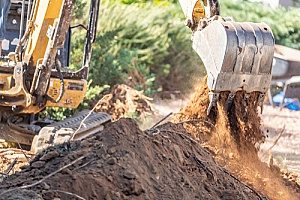
One challenge after pool removal is drainage. If water collects in the filled area, it can damage plants and weaken the soil. Adding proper grading with fill dirt, along with installing drains if needed, helps water flow away from your home and into safe areas. Good drainage ensures your new outdoor space remains healthy, functional, and free of soggy spots.
____________________________________________________________________________________________________________________________
How Pool Demolition Affects Property Value
A pool removal can increase property value by opening up usable yard space. Families often prefer a large, low-maintenance yard over an aging pool that requires repairs and chemicals. By filling the pool correctly and restoring the yard with soil, grass, or new landscaping, you boost curb appeal and create a selling point for future buyers.
__________________________________________________________________________________________________________________________________________________________
Permits and Local Regulations to Consider
Before starting pool demolition, check local requirements. Some counties require permits for demolition, grading, or hauling debris. Using approved fill dirt is also important—untested soil could cause problems with building inspectors later. Knowing the rules ahead of time saves you fines, delays, and unnecessary headaches.
____________________________________________________________________________________________________________________________
Eco-Friendly Options for Recycling Pool Materials
Pool demolition creates a lot of debris, but much of it can be recycled. Concrete can be crushed and reused as base material, and metal fixtures can be sent to recycling centers. Choosing eco-friendly disposal options not only reduces landfill waste but also lowers hauling costs. It’s a smart way to protect the environment while saving money.
____________________________________________________________________________________________________________________________
Budgeting Tips for Post-Pool Yard Restoration

Costs don’t stop once the pool is gone—you’ll need to plan for fill dirt, topsoil, and landscaping. A clear budget helps avoid surprises. Prioritize essentials like drainage and soil stabilization first, then add aesthetic upgrades like sod or flower beds. Getting multiple quotes from suppliers and contractors can also stretch your budget further.
____________________________________________________________________________________________________________________________
Before-and-After Pool Demolition Ideas for Inspiration
Seeing real examples can spark your imagination. Former pool areas have been turned into lush lawns, outdoor kitchens, garden retreats, and even play areas for kids. The key is to match your vision to the space available. With the right planning, your old pool site can become one of the most enjoyable parts of your property.
__________________________________________________________________________________________________________________________________________________________
Conclusion: Embrace the Transformation

Pool demolition may feel like the end, but it’s truly a beginning. With planning and restoration, your yard can become more useful, attractive, and valuable than ever. By focusing on soil health, grading, and smart landscaping choices, you’ll create an outdoor space built to last.
Beyond the splash, there’s opportunity—embrace it, and enjoy a yard that reflects your vision for years to come.
Summary

Dirt Connections was started with one goal in mind: providing quality residential and commercial construction services to clients on time and on budget. Reach out for more information on how we can support your next project.
For your convenience our estimates are free and by appointment. Call 703-940-9949 for a free estimate today!