Spring into Action: 5 Clear Signs Your Yard Needs Grading for a Healthy Landscape
 As spring returns and your yard comes back to life, it’s the perfect time to evaluate your landscape. Before planting new flowers or laying fresh sod, make sure your yard is set up for success. Proper grading—shaping the ground to guide water away from your home—is often overlooked but absolutely vital. Without it, your lawn can suffer from puddles, erosion, or even damage to your foundation.
In this article, we’ll cover five clear signs that your yard needs grading and how to take action. By catching these issues early, you can protect your investment, improve curb appeal, and enjoy a healthy outdoor space all season long.
Understanding Yard Grading: What It Is and Why It Matters
Yard grading is the process of creating the correct slope in your yard so water drains away from your home and low spots. When done right, grading prevents flooding, soil loss, and foundation issues. A level, properly sloped yard also looks better, mows easier, and supports healthier grass and plants. Think of it as the foundation for your entire landscape—if the slope is wrong, problems will follow.
The Importance of Proper Drainage in Landscaping
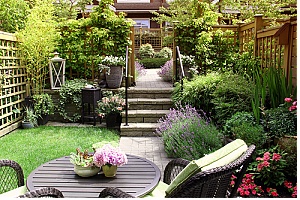 Drainage is where most grading problems start. If water lingers in your yard after rain, it can drown plant roots, attract mosquitoes, and weaken your soil. Over time, standing water can even creep toward your foundation or patio. Proper grading directs water away naturally, keeping your soil stable and your yard functional. Healthy drainage means healthy landscaping, and spotting water buildup is one of the 5 Signs Your Yard Needs Grading This Spring.
Sign #1: Water Accumulation in Your Yard
If puddles form every time it rains, that’s a red flag. Pooling water shows your lawn isn’t sloped properly. Beyond being unsightly, standing water suffocates grass, invites mold, and creates a breeding ground for pests. Worse, if the water collects near your home, it can seep into basements or crawl spaces. A yard free of puddles starts with proper grading.
Sign #2: Uneven or Sloping Ground

Bumps, dips, or steep slopes make your yard harder to enjoy and maintain. Uneven ground complicates mowing, makes furniture unstable, and poses tripping hazards for kids and pets. Function aside, uneven terrain accelerates runoff and erosion. By re-grading, you restore balance—water flows evenly, the yard looks neater, and you can actually use your outdoor space without frustration.
Sign #3: Erosion and Soil Loss
Bare spots, exposed roots, or gullies after heavy rain are classic signs of erosion. When soil washes away, your yard loses vital nutrients and plants struggle to grow. Erosion also contributes to sediment buildup in storm drains and waterways. Grading helps stabilize soil, reducing runoff and giving your grass and plants the strong root base they need to thrive.
Sign #4: Cracks in Patios or Driveways
Drainage is where most grading problems start. If water lingers in your yard after rain, it can drown plant roots, attract mosquitoes, and weaken your soil. Over time, standing water can even creep toward your foundation or patio. Proper grading directs water away naturally, keeping your soil stable and your yard functional. Healthy drainage means healthy landscaping, and noticing poor drainage is one of the 5 signs your yard needs grading this spring.
Sign #5: Poor Plant Growth and Health
 Sometimes the biggest clue is right in front of you—struggling plants. If parts of your lawn stay soggy while others dry out too quickly, your grading may be off. Plants need consistent moisture, not extremes. Without proper slope, some roots drown while others wither. Grading ensures balanced water distribution, giving your grass, flowers, and shrubs the best chance to flourish.
How to Assess Your Yard for Grading Needs
Start simple: watch your yard after a rainstorm. Note where water pools or runs too quickly. Use a level or string line to check slopes near your home and garden beds. Walk the lawn and look for uneven patches or erosion. These small checks give you valuable clues about whether re-grading is needed.
Professional Grading Services: When to Call the Experts
 Minor dips can sometimes be fixed with fill dirt and seed, but bigger problems often require professional equipment and expertise. If you’re dealing with standing water near your foundation, widespread erosion, or damaged hardscapes, it’s time to call in the pros. Professional grading ensures accuracy, compliance with local codes, and long-lasting results.
How Poor Grading Can Affect Your Home’s Foundation
When your yard is not graded properly, rainwater and runoff can pool around your foundation instead of flowing away. Over time, this standing water can seep into basements, weaken concrete, and even cause structural cracks. Proper grading ensures water moves safely away from your home, protecting one of your biggest investments from costly damage.
The Connection Between Yard Grading and Curb Appeal
 A smooth, even lawn makes your home instantly more attractive. Low spots and waterlogged patches create an unkempt look, while a graded yard offers a polished, well-maintained appearance. Whether you’re planning to sell or simply want to enjoy your space, proper grading adds instant curb appeal and value.
Grading and Drainage: Protecting Your Basement from Water Damage
Basement water issues often start outside with poor grading. When the ground slopes toward your home instead of away, rainwater has a direct path to your foundation walls. By re-grading and ensuring the proper slope, you can stop water infiltration before it starts and keep your basement dry year-round.
Seasonal Timing: Why Spring Is the Best Time to Grade Your Yard
Spring offers the ideal conditions for grading work. The soil is softer from seasonal rains, making it easier to shape and level. Plus, grass and plants grow quickly in spring, helping newly graded areas establish faster. Tackling grading early in the season also prevents water problems during heavy summer storms.
DIY Yard Grading: What You Can Fix Yourself
 Not every grading project requires professional equipment. Smaller low spots can often be corrected with a shovel, rake, and a few loads of fill dirt. Homeowners can easily fill depressions, smooth surfaces, and reseed grass themselves. For larger slopes or foundation concerns, though, it’s best to call in the experts.
Cost Considerations: What to Expect with Yard Grading Projects
The cost of grading depends on the size of your yard, the severity of the problem, and whether heavy equipment is needed. Minor fixes with fill dirt are affordable, while full-scale regrading projects may run higher. Investing in grading upfront saves money long-term by preventing drainage issues, erosion, and foundation repairs.
The Role of Fill Dirt in Successful Yard Grading
Fill dirt is the backbone of any grading project. Its dense composition makes it ideal for filling depressions and creating slopes that direct water away from your home. By compacting fill dirt properly, you create a stable surface that can then be topped with nutrient-rich topsoil for a healthy lawn.
Grading vs. Topsoil: Understanding the Difference
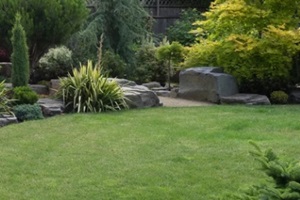 Grading uses fill dirt to shape and stabilize the land, while topsoil is added afterward to support plant growth. The two work hand in hand: fill dirt ensures a strong base and proper drainage, and topsoil provides the nutrients grass and gardens need to thrive. Using both materials ensures a functional and beautiful yard.
Conclusion: Maintaining a Healthy Landscape Through Proper Grading
Proper grading is one of the smartest investments you can make in your yard. It protects your home, improves drainage, and keeps your landscape looking its best. By watching for signs like puddling, uneven ground, erosion, cracks, and weak plant growth, you’ll know when it’s time to act.
This spring, give your yard the solid foundation it deserves. With the right slope and drainage in place, your lawn will stay healthy, safe, and beautiful—season after season.
Summary

Dirt Connections was started with one goal in mind: providing quality residential and commercial construction services to clients on time and on budget. Reach out for more information on how we can support your next project.
For your convenience our estimates are free and by appointment. Call 703-940-9949 for a free estimate today!