Mastering Fill Dirt Calculations for Retaining Walls: A Complete Guide for Northern Virginia Homeowners
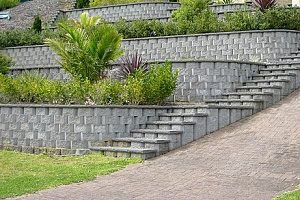 Building a retaining wall is more than a landscaping upgrade. For Northern Virginia homeowners, it also protects your property. However, one crucial step decides the success of your wall—accurate fill dirt calculations. Without them, walls can fail, drain poorly, or even shift over time.
Whether you’re taking a DIY approach or hiring a pro, knowing how much fill dirt you need saves time and money. This guide explains how to calculate fill dirt, avoid mistakes, and build a retaining wall that lasts.
Understanding Fill Dirt and Its Importance in Retaining Walls
Fill dirt is the soil used to backfill behind a retaining wall. It supports the wall and keeps it stable. Unlike nutrient-rich topsoil, fill dirt contains mostly subsoil. Because it lacks organic matter, it won’t decompose or settle.
Properly compacted fill dirt distributes the wall’s weight evenly and prevents shifting. It also improves drainage, protecting your wall from erosion and water buildup. For Northern Virginia homeowners, where heavy rains are common, the right fill dirt ensures walls last for decades.
Key Factors Influencing Fill Dirt Calculations
Several factors affect how much fill dirt you need. First, consider the wall’s size. Taller or longer walls require more backfill. Next, look at the soil type on-site. Clay soils compact differently than sandy soils, changing how much fill dirt you’ll need.
Slope also plays a big role. Steeper yards often need more fill dirt to stabilize the base. Finally, note obstacles like trees, fences, or utility lines. Each of these can affect how fill dirt is measured and placed.
Common Types of Fill Dirt in Northern Virginia
Homeowners in Northern Virginia often choose between three main fill dirt types when calculating fill dirt for retaining walls in Northern Virginia. Clean fill dirt is free of debris and provides a stable base. Structural fill dirt blends soil, sand, and gravel for added strength. Gravel fill dirt improves drainage and works well in flood-prone areas.
The right choice depends on your project. For most retaining walls, structural fill dirt provides the best balance of stability and drainage.
Step-by-Step Guide: How to Calculate Fill Dirt
Follow these steps to determine your fill dirt needs:
-
Measure your wall’s length, width, and height.
-
Use the volume formula (Length × Width × Height) to calculate space.
-
Add about 20% for compaction. Dirt compresses when packed tightly.
-
Adjust for slope or obstacles around your wall.
Example: A 10 × 2 × 4-foot wall space equals 80 cubic feet. Add 20% for compaction. You’ll need about 96 cubic feet of fill dirt.
Tools and Resources for Fill Dirt Measurement

Accurate measurements make all the difference. A tape measure or laser measurer works for small projects. For precision, use online fill dirt calculators. These tools let you input wall dimensions and soil type for a quick estimate.
For larger projects, consult a contractor or engineer. They can confirm your numbers and recommend the right dirt type.
Best Practices for Filling and Compacting Dirt
Fill dirt works only if compacted correctly. Place dirt in 6–12 inch layers. Compact each layer before adding more. Use a plate compactor or tamper for even results.
Consider adding geotextile fabric between layers. This prevents erosion and strengthens the soil. Proper compaction protects your wall from settling and ensures long-term stability.
Local Regulations and Permits in Northern Virginia
In Northern Virginia, retaining walls over four feet often require permits. Local codes may also dictate drainage requirements and fill dirt types.
Before starting, check with your county’s building department. This avoids delays, fines, or rework. When in doubt, consult a licensed contractor familiar with Northern Virginia regulations.
Hiring Professionals vs. DIY: What You Need to Know
 DIY retaining walls can save money, but mistakes are costly. If your wall is taller than four feet, hiring professionals is usually best.
Professionals bring experience, proper equipment, and an understanding of local codes. For smaller landscape walls, confident DIY homeowners may succeed with careful planning.
Maintenance Tips for Retaining Walls and Fill Dirt
Inspect your wall regularly for cracks, bulges, or leaning. Check drainage pipes and weep holes to keep water moving. Add mulch or ground cover plants to reduce erosion.
Handle repairs quickly. Small issues grow into costly fixes if ignored. Proper maintenance ensures your wall lasts for decades.
__________________________________________________________________________________________________________________________________________________________
FAQs: Fill Dirt for Retaining Walls in Northern Virginia
1. How do I calculate how much fill dirt I need for my retaining wall?
Start by measuring the wall’s length, height, and width, then use a fill dirt calculator to find the volume. Don’t forget to add about 20% extra for compaction. This ensures you order the right amount the first time.
2. Can I use topsoil instead of fill dirt behind a retaining wall?
No. Topsoil is rich in organic matter, which breaks down and shifts over time. Fill dirt compacts tightly, making it the safer and more stable choice for retaining walls in Northern Virginia.
3. Do I need a permit to build a retaining wall in Northern Virginia?
In most counties, yes, especially if your wall is over 4 feet tall. Local governments require permits to ensure proper engineering and drainage. Always check with your county office before starting your project.
4. What type of fill dirt is best for retaining walls?
Clean or structural fill dirt is best. Structural fill often has a mix of soil, sand, and gravel, giving it excellent compaction and drainage. This keeps your wall stable and reduces erosion risks.
5. Where can I order fill dirt delivery in Northern Virginia?
You can order directly from local suppliers who specialize in residential and commercial delivery. At Dirt Connections, we provide fill dirt delivery in Fairfax, Arlington, Loudoun, Prince William, and across Northern Virginia—perfect for retaining wall projects.
__________________________________________________________________________________________________________________________________________________________
Before You Order Fill Dirt: A Homeowner’s Checklist
 Ordering fill dirt for your retaining wall is easier when you prepare. First, measure your wall’s length, width, and height so you know your volume needs. Second, check your county’s permit rules to avoid delays. Third, inspect your property’s soil type—clay, sand, or loam—as this affects compaction. Fourth, choose a local supplier familiar with Northern Virginia’s terrain and regulations. Finally, confirm delivery access so trucks can reach your site safely. Following this checklist ensures your retaining wall project starts smoothly, saves money, and avoids common pitfalls.
Conclusion: Build with Confidence
A retaining wall improves both beauty and safety for your home. But success starts with accurate fill dirt calculations. By measuring correctly, compacting properly, and choosing the right dirt, Northern Virginia homeowners can build durable walls that stand the test of time.
Plan carefully, follow best practices, and consult experts when needed. With the right approach, your retaining wall project will save money, prevent erosion, and enhance your property for years to come.
Summary

Dirt Connections was started with one goal in mind: providing quality residential and commercial construction services to clients on time and on budget. Reach out for more information on how we can support your next project.
For your convenience our estimates are free and by appointment. Call 703-940-9949 for a free estimate today!