Why Testing Compactable Fill Dirt is Crucial for Your Project

Testing compactable fill dirt helps protect the stability of your construction project. Proper soil testing helps builders avoid costly foundation and drainage problems. Many contractors search how to test compactable fill dirt in Northern Virginia before starting grading or foundation work. Soil testing provides important information about strength, moisture levels, and compaction performance. When builders test soil before construction, they reduce risk and improve project outcomes. Proper testing also ensures the fill dirt supports long-term structural stability.
Understanding Compactable Fill Dirt
Compactable fill dirt creates a stable base for construction projects. Contractors use this soil to fill low areas and support foundations, roads, and grading work. Unlike topsoil, compactable fill dirt contains little organic material. Organic material breaks down over time and causes settling. Many contractors search where to order compactable fill dirt in Northern Virginia when preparing building pads or grading projects. Typical compactable fill dirt contains clay, sand, and crushed rock particles. These materials compact tightly under pressure and create strong structural support. Proper compaction allows the soil to support driveways, building foundations, and retaining walls. Therefore, understanding soil composition helps builders choose the correct fill dirt for construction work.
The Importance of Testing Fill Dirt
Testing compactable fill dirt helps engineers confirm the soil will perform correctly. Without testing, construction projects may experience settlement or structural damage. Many builders search compactable fill dirt testing in Northern Virginia before starting major earthwork projects. Testing identifies soil composition, moisture content, and compaction ability. These properties determine whether the soil will remain stable under heavy loads. Untested soil may contain organic debris or poor compaction materials. Over time, these materials may decompose and create voids in the soil. Testing also helps engineers predict how soil reacts to moisture changes. This information helps prevent soil expansion or shrinkage. Therefore, soil testing protects foundations, roadways, and landscaping features from long-term damage.
Common Tests for Compactable Fill Dirt
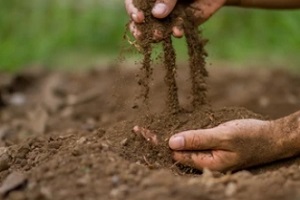
Several soil tests help determine whether fill dirt meets engineering standards. These tests help engineers measure soil strength and compaction potential. The Proctor Compaction Test remains one of the most common soil tests. This test measures the maximum soil density achieved through compaction. Many contractors search Proctor test for compactable fill dirt Northern Virginia when planning structural fill projects. Another important test measures the soil’s Atterberg Limits. This test determines how soil reacts to moisture changes. Engineers also use sieve analysis to measure particle size distribution. This test shows how soil particles vary in size. Well-graded soil compacts better and provides stronger structural support. Together, these tests help engineers confirm the soil will perform safely under construction loads.
Factors Affecting Fill Dirt Quality
Several factors affect the quality of compactable fill dirt. Understanding these factors helps builders choose the right soil for their projects. First, soil source plays an important role. Soil composition may vary greatly across different locations. Many contractors search best compactable fill dirt for construction in Northern Virginia when selecting soil suppliers. Moisture content also affects compaction performance. Soil that is too dry or too wet will not compact correctly. Engineers often adjust moisture levels during compaction to achieve proper density. Organic material also affects soil stability. Roots, debris, and plant matter can weaken soil structure over time. Therefore, contractors must verify soil quality before using fill dirt in construction.
Consequences of Using Untested Fill Dirt
Using untested fill dirt can cause serious construction problems. Poor soil quality may lead to uneven settlement or structural damage. Many builders search foundation settlement caused by poor fill dirt when investigating structural failures. Untested soil may compress under heavy loads. This movement can create cracks in foundations, driveways, or retaining walls. In some cases, contaminated soil may create environmental risks. Certain soils may contain chemicals or pollutants that harm surrounding land. These problems often require expensive repairs and project delays. Therefore, testing compactable fill dirt protects both the project budget and structural safety.
Best Practices for Fill Dirt Testing
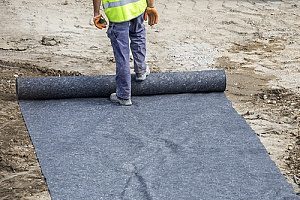
Builders should follow several best practices when testing fill dirt. Proper testing ensures soil meets engineering requirements before construction begins. First, builders should work with qualified soil engineers or testing laboratories. These professionals perform accurate soil analysis. Many contractors search geotechnical soil testing services in Northern Virginia when planning large grading projects. Testing should begin before soil delivery. Engineers should also test soil during compaction to confirm density levels. Regular testing throughout construction helps detect potential issues early. Contractors should also maintain detailed testing records. These records help confirm soil compliance and support future inspections. Following these steps helps builders maintain strong and stable construction foundations.
How to Choose a Reliable Testing Service
Choosing the right soil testing service helps ensure accurate results. Builders should select laboratories with strong industry experience. Many engineers search geotechnical soil testing companies in Northern Virginia when preparing major development projects. Certified laboratories follow strict quality standards for soil testing. Accreditation from recognized organizations confirms professional testing procedures. Experienced testing engineers can also interpret soil results and recommend solutions. Builders should choose laboratories that offer multiple soil testing services. These services may include compaction testing, moisture analysis, and contamination screening. Reliable testing services help ensure construction projects begin with stable soil conditions.
Case Studies: Successful Projects with Tested Fill Dirt
Many successful construction projects rely on tested compactable fill dirt. Soil testing often prevents structural problems and project delays. For example, engineers used soil testing during a commercial building project with challenging soil conditions. Testing confirmed the correct compaction requirements for the fill dirt. As a result, the building foundation remained stable for many years. Another highway construction project required large amounts of structural fill. Engineers tested soil from several borrow sources. Testing identified the best material for compaction and stability. The highway continues to perform well under heavy traffic loads. These examples demonstrate how soil testing improves long-term construction performance.
Cost Implications of Fill Dirt Testing
Fill dirt testing requires an upfront investment. However, this cost remains small compared to potential repair expenses. Many contractors search cost of compactable fill dirt testing before starting construction projects. Testing helps prevent costly foundation repairs and structural damage. Without testing, builders risk settlement problems and construction delays. These issues often require expensive reconstruction work. Testing also helps projects stay on schedule. Builders can identify soil issues early and adjust construction plans quickly. Therefore, soil testing often saves both time and money throughout the construction process.
Conclusion: Ensuring Project Success through Proper Testing
Testing compactable fill dirt plays a critical role in construction success. Soil testing confirms that fill dirt will support long-term structural stability. Builders should test soil before using it for foundations, grading, or structural fill projects. Many contractors search compactable fill dirt delivery and testing in Northern Virginia when preparing construction sites. Dirt Connections helps contractors, builders, and homeowners order compactable fill dirt in Northern Virginia, Maryland, and Washington DC. Our team provides fill dirt delivery, grading services, and construction support for residential and commercial projects. If your project requires compactable fill dirt or structural fill delivery, contact Dirt Connections today. We help ensure your project begins with a strong and reliable foundation.
Summary

Dirt Connections was started with one goal in mind: providing quality residential and commercial construction services to clients on time and on budget. Reach out for more information on how we can support your next project.
For your convenience our estimates are free and by appointment. Call 703-940-9949 for a free estimate today!