Fill Dirt vs. Topsoil: Choosing the Right Material for Your Project
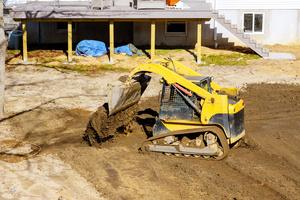 When starting a landscaping or construction job in Fairfax, VA, the materials you choose matter. Many homeowners wonder about fill dirt vs. topsoil Fairfax VA: choosing the right material for their project. Each option serves a very different purpose. Fill dirt creates strong foundations for building and reshaping land. Topsoil, however, supports plant growth with nutrients and organic matter. Knowing when to use each one ensures your project succeeds. This guide breaks down the differences, benefits, and best uses so you can make a confident decision.
Understanding Fill Dirt: Definition and Uses
Fill dirt comes from below the topsoil layer. It contains clay, sand, and small rocks but no organic matter. This makes it stable and compact, perfect for supporting structures. Contractors use fill dirt for leveling ground, filling holes, and shaping slopes.
It’s also used under foundations, roads, and retaining walls. Its strength prevents settling or shifting over time. In landscaping, fill dirt corrects low spots and improves drainage. By using it strategically, you ensure your projects have a reliable and lasting base.
Exploring Topsoil: Definition and Benefits
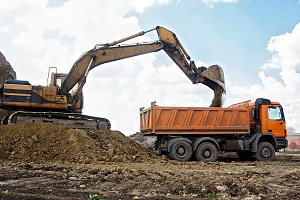 Topsoil is the uppermost layer of earth. It’s dark, crumbly, and packed with nutrients and organic matter. This makes it essential for plant growth and a key part of Fill Dirt vs. Topsoil Fairfax VA: Choosing the Right Material.
Gardeners use topsoil to start lawns, create flower beds, or build vegetable gardens. Its ability to hold water while allowing drainage makes it ideal for healthy roots. Topsoil also prevents erosion by covering and protecting the ground. When added to poor soils, it improves fertility and structure. Using topsoil transforms barren spaces into thriving landscapes.
Key Differences Between Fill Dirt and Topsoil
The differences between fill dirt and topsoil are clear once you compare them. Fill dirt has little to no nutrients. Its purpose is structure, not plant growth. Topsoil, on the other hand, is full of organic matter. Its role is to feed plants and build fertile ground.
Texture also sets them apart. Fill dirt feels compact and often contains rocks. Topsoil is looser, darker, and rich in nutrients. The choice depends on your project goals—stability or growth.
When to Use Fill Dirt: Ideal Projects
 Use fill dirt for construction jobs that need a solid foundation. It’s perfect for building pads, backfilling, or supporting retaining walls.
Yard grading often requires fill dirt as well. It helps level uneven ground and prevents water from pooling near your foundation. Large projects such as driveways and roads also rely on fill dirt for stability. If your project involves structure, fill dirt is the right choice.
When to Use Topsoil: Best Scenarios
Choose topsoil when your project involves plants. It’s the go-to material for new lawns, gardens, and flower beds.
Before planting, spread topsoil to enrich your soil with nutrients. It improves soil structure, boosts fertility, and supports strong roots. Topsoil is also key for restoring areas where soil has been compacted or eroded. If you want healthy, green growth, topsoil is the material you need.
Benefits of Using Fill Dirt
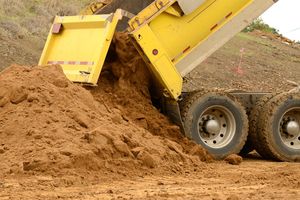 Fill dirt prevents settling, shifting, and drainage issues. Its compact nature creates a stable foundation for any structure.
By using fill dirt, you also correct uneven land and improve water flow. This makes your property safer and more functional. It’s cost-effective compared to topsoil, especially for large-scale projects.
Benefits of Using Topsoil
Topsoil creates healthy environments for plants. It provides nutrients, improves drainage, and holds moisture.
A layer of topsoil encourages seed germination and root growth. It also reduces erosion and restores depleted soil. For gardens, lawns, or landscaping, topsoil delivers beauty and sustainability.
Cost Comparison: Fill Dirt vs. Topsoil
 Fill dirt generally costs less than topsoil. It requires less processing and is widely available from excavation sites. Prices usually range between $8 and $15 per cubic yard.
Topsoil costs more because it’s screened and nutrient-rich. Prices often range from $20 to $40 per cubic yard. The higher cost reflects its value for plant growth and soil improvement.
When budgeting, consider both short-term savings and long-term results. For stability, choose fill dirt. For lush gardens, invest in quality topsoil.
Environmental Impact: Fill Dirt and Topsoil
Fill dirt is often recycled from construction projects. This reduces waste but may carry risks if not tested for contaminants. Always work with reputable suppliers.
Topsoil promotes sustainability by supporting plant growth, reducing erosion, and improving air quality. However, harvesting topsoil must be done responsibly to protect natural resources. Choose suppliers who practice sustainable sourcing.
How to Source Quality Materials
 For fill dirt, ask suppliers about testing and cleanliness. Avoid dirt with trash, chemicals, or debris. Quality fill dirt ensures stability.
When buying topsoil, look for screened material. Ask about nutrient levels and pH balance. Screened topsoil is free of rocks and consistent in texture.
Whenever possible, inspect the material in person. Reliable suppliers will answer your questions and provide samples.
Common Misconceptions
One misconception is that fill dirt and topsoil are interchangeable. They are not. Each serves a unique purpose.
Another myth is that all topsoil is the same. In reality, quality varies widely depending on source and processing.
Finally, some believe topsoil is always necessary. That’s not true. Sometimes amending existing soil is enough for plant growth.
How Much Fill Dirt or Topsoil Do You Really Need?
 Before ordering, measure the area you want to fill. Multiply the length, width, and depth to get cubic feet. Then divide by 27 to calculate cubic yards, since most suppliers sell by the yard. Ordering the right amount saves money and avoids delays. For example, a small garden bed may only need a few yards of topsoil, while grading a backyard could require dozens of yards of fill dirt. Always add 5–10% extra to account for settling or small miscalculations.
DIY vs. Professional Installation: What Homeowners Should Consider
Some projects are simple enough for DIY work, such as filling small low spots or adding topsoil to a flower bed. However, larger jobs like grading a yard or building a foundation benefit from professional help. Professionals use equipment like skid steers and compactors to ensure proper slope and compaction. Choosing the DIY route saves money upfront, but hiring a professional can prevent costly mistakes. Evaluate the project size, tools required, and your comfort level before deciding which approach is right for you.
Storage Tips for Fill Dirt and Topsoil Before Use
 If your delivery arrives early, proper storage keeps the material ready for use. Place fill dirt or topsoil on a tarp in a dry, elevated spot. Cover it with a durable tarp or plastic sheeting to block moisture and prevent erosion. This step is especially important in winter when freeze-thaw cycles can cause clumping. Keep the pile compact and secured with rocks or sandbags. With these simple storage steps, your material stays clean, dry, and easy to spread when the project begins.
Blending Fill Dirt and Topsoil: When a Combination Works Best
Fill Dirt vs. Topsoil Fairfax VA: Choosing the Right Material often means understanding how they work together. In many cases, the best results come from using both fill dirt and topsoil. First, use fill dirt to create a stable base and correct drainage issues. Then, add a layer of nutrient-rich topsoil for planting grass, flowers, or vegetables. This combination ensures strength and fertility. For example, if you’re leveling a yard for a new lawn, fill dirt supports the grade, while topsoil provides the nutrients for healthy grass growth. Blending the two materials can save money and maximize results.
Regional Pricing Insights for Fairfax, VA, and Surrounding Areas
 In Fairfax and nearby Northern Virginia, fill dirt generally ranges from $10 to $20 per cubic yard, depending on the supplier and delivery distance. Topsoil often costs more, averaging $20 to $40 per yard, especially if it’s screened or enriched. Delivery fees vary based on truck size and mileage, so local sourcing can reduce costs. Comparing multiple suppliers in the Fairfax area helps you find the best price and ensures you get quality material. Knowing local prices makes budgeting more predictable and prevents surprise expenses.
Seasonal Tips: When to Buy and Apply Fill Dirt or Topsoil
Timing your purchase makes a big difference. Ordering fill dirt in late winter or early spring ensures availability before the busy season. This also gives the dirt time to settle before planting or building. For topsoil, the best time to apply is early spring or fall, when mild weather supports root growth. Avoid spreading topsoil right before heavy rain, since it can wash away. By planning around the seasons, you save money, avoid delays, and get better long-term results.
__________________________________________________________________________________________________________________________________________________________
Conclusion: Making the Right Choice
 When comparing fill dirt vs topsoil: choosing the right material for your project, the right choice depends on your goals.
Fill dirt creates solid foundations for construction and grading. Topsoil supports plants and improves soil fertility. Both materials are essential, but each has its place.
By understanding their differences, costs, and uses, you can plan effectively. Invest in quality, source responsibly, and align your choice with your project needs. Doing so ensures lasting results for your landscape or structure.
Summary

Dirt Connections was started with one goal in mind: providing quality residential and commercial construction services to clients on time and on budget. Reach out for more information on how we can support your next project.
For your convenience our estimates are free and by appointment. Call 703-940-9949 for a free estimate today!