Ultimate Guide to Using Gravel for Erosion Control: Benefits, Techniques, and Best Practices
Understanding Erosion and Its Impact
Erosion is the gradual wearing away of soil, rock, and other materials by natural forces like water and wind. Human activity, such as construction and farming, can speed up this process. Over time, erosion can lead to serious damage, including weakened foundations, clogged waterways, and reduced land productivity. If not managed properly, erosion can ruin landscapes and increase maintenance costs. Therefore, understanding its effects is essential before starting any control measures—especially when considering effective options like gravel for erosion control to protect your property.
What is Gravel and How Does It Help with Erosion Control?
Gravel is made of loose, angular pieces of rock that range in size from small granules to large pebbles. Gravel helps prevent erosion by creating a stable surface that resists water movement. When placed correctly, gravel slows down runoff and encourages water to soak into the soil below. This helps stabilize slopes, protect foundations, and reduce the chance of water damage. Gravel also supports the natural water cycle.
Benefits of Using Gravel for Erosion Control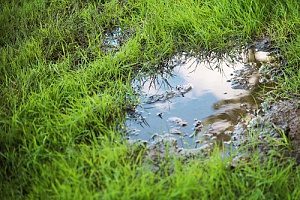
Gravel offers several benefits for managing erosion. It is strong, long-lasting, and holds up well under harsh conditions. Gravel’s porous nature lets water pass through, helping prevent pooling and reducing runoff speed. This makes it ideal for areas with frequent rain or snowmelt. Gravel also adds visual appeal to pathways, slopes, and garden beds. With its variety of sizes and colors, gravel can match almost any landscape. It’s also easier to install than many other erosion control materials.
Different Types of Gravel for Erosion Control
There are many types of gravel, and each one serves a different purpose. Crushed stone is sharp-edged and locks together well, making it great for steep slopes and drainage areas. Pea gravel has smooth, round stones that work best in low-traffic, decorative areas. River rock is larger and more irregular, perfect for high-flow water areas like dry creeks. Decomposed granite compacts well and is used for paths and driveways that require firm footing. Choosing the right type is key to success.
Techniques for Implementing Gravel in Erosion Control

Gravel can be applied in many ways to stop erosion. One technique is creating gravel pathways. These not only guide foot traffic but also protect soil. Another method is building French drains. These gravel-filled trenches collect and redirect water. Gravel can also be placed behind retaining walls to improve drainage and reduce pressure. To enhance performance, it’s best to use gravel along with geotextile fabric or erosion control mats.
Best Practices for Installing Gravel for Erosion Control
To get the best results, site preparation is critical. First, remove vegetation and debris from the area. Then, lay a geotextile fabric to stop weeds and improve gravel stability. Spread the gravel evenly in layers, about 2 to 4 inches thick, depending on the location. Compact each layer to create a firm surface that resists shifting. Make sure water can flow freely through or around the gravel to prevent pooling and erosion.
Maintenance Tips for Gravel Erosion Control Systems
Maintaining gravel systems helps them last longer and work better. Regularly check for displaced gravel or bare spots, especially after storms. Refill low areas and compact the gravel again. Pull out weeds and consider adding a pre-emergent herbicide to stop new ones. Clear any drainage systems connected to the gravel. Keep an eye on the way water flows to make sure it still drains properly and does not create new erosion issues. Using the best gravel for erosion control and drainage from the start will make maintenance easier and your system more effective long term.
Case Studies: Successful Erosion Control Using Gravel
Many properties have solved erosion problems using gravel. One hillside home added gravel terraces and paths to manage water and reduce slope erosion. Another site replaced asphalt with gravel in a parking lot to allow water to drain naturally. A public park used gravel trails to stop foot traffic from eroding grassy areas. These examples show that gravel works well in many situations, both functional and decorative.
Common Mistakes to Avoid When Using Gravel
Avoid using the wrong type of gravel for your project. For example, pea gravel may not stay put on a slope. Always prepare the site properly before laying gravel. Poor prep can lead to shifting, clogging, or erosion. Failing to compact the gravel or using too little can weaken the installation. Skipping drainage planning can cause water to pool, which may lead to more erosion. Each step matters when using gravel correctly.
Choosing the Best Gravel for Drainage and Erosion Protection
When selecting gravel for erosion control and drainage, it’s important to choose the right type for your landscape’s specific needs. The best gravel for erosion control and drainage depends on the area’s water flow and aesthetic goals. Crushed stone is ideal for high-flow areas and steep slopes because its angular shape locks in place, offering excellent soil retention and water dispersion. Pea gravel works well in decorative, low-traffic zones where aesthetics matter but erosion is still a concern. For superior drainage, washed gravel or river rock can be used in French drains and swales to reduce surface runoff and promote water infiltration.
Proper installation enhances performance. A geotextile fabric beneath your gravel helps prevent soil mixing while improving long-term stability. Also, maintaining correct gravel depth—typically 2–4 inches—ensures both effective water flow and lasting erosion protection. When used correctly, the best gravel types not only reduce erosion but also help shape a more stable, attractive landscape.
Conclusion and Future Considerations for Erosion Control
Gravel is a cost-effective, attractive, and eco-friendly choice for managing erosion. It works well alone or with other materials. When installed and maintained properly, gravel offers long-term erosion protection. Moving forward, combining gravel with modern erosion tools can improve results. Staying informed about new techniques ensures your landscape stays protected. For reliable gravel delivery and erosion control services in Northern Virginia and Maryland, contact Dirt Connections today.
High-Volume Dirt Delivery, Hauling & Full-Service Construction—We Get It Done Right
Get gravel, screened fill dirt, grading, and dump truck hauling in Virginia and Maryland. In fact, this team specializes in high-volume dirt delivery, construction site preparation, and bulk material transport. Whether you need backfill after pool removal, driveway grading, or foundation pad creation, they’ve got you covered. Plus, they deliver clean, compactable fill with fast, reliable service and fair pricing. So, order online now for dirt delivery in Fairfax, Arlington, Alexandria, Rockville, and nearby areas. To get started, simply call 703-940-9949 or visit DirtConnections.com.
Summary

Dirt Connections was started with one goal in mind: providing quality residential and commercial construction services to clients on time and on budget. Reach out for more information on how we can support your next project.
For your convenience our estimates are free and by appointment. Call 703-940-9949 for a free estimate today!